Table of contents
Hair transplantation is a safe and minimally risky procedure that provides a natural-looking solution for those with thinning hair or baldness. While it can deliver satisfying results, these outcomes heavily depend on one crucial factor: proper self-care before and after the procedure. Failure to follow the doctor’s advice or taking poor care of oneself may lead to unsuccessful hair transplantation.
The Importance of Post-Transplant Self-Care
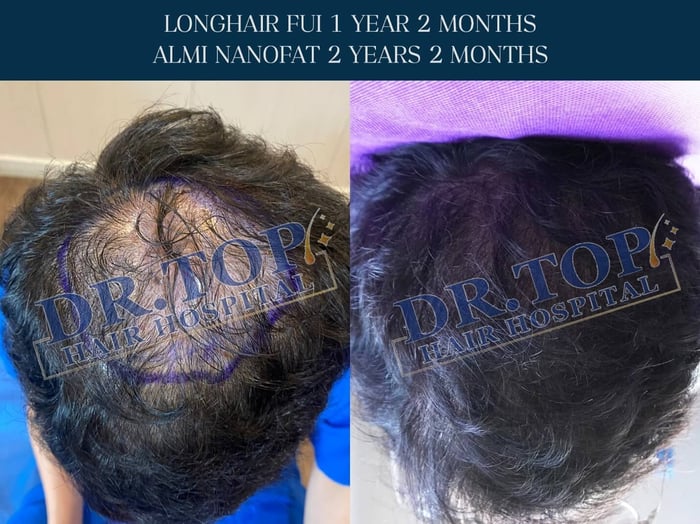
Even with high-quality hair grafts and hair transplantation performed by highly experienced specialists, but if you don't take care of yourself well enough can negatively impact the results and the health of your scalp. The first two weeks following the surgery are the most critical period for ensuring the survival and healthy growth of the newly transplanted hair. This phase essentially determines whether the transplanted hair will "stay" or "shed." During this time, the newly transplanted hair follicles are still fragile and require extra care and attention to allow them to firmly anchor to the scalp and grow. Proper self-care helps prevent potential issues such as graft failure or shedding, infections, and ensures the best possible outcomes for the hair transplantation. For the procedure to be successful, both the new hair must grow well, and the existing hair should shed as little as possible.
What Happens When You Don't Properly Care for Your Hair and Scalp Post-Transplant?
Graft hair loss
During the period when the hair follicles are still weak, the capillaries have not yet fully connected to the roots, making it difficult to supply adequate nutrients and oxygen to the hair. Additionally, the transplanted area is extremely delicate. If the patient accidentally scratches or applies excessive force to the scalp, it may cause the grafts to fall out.Infections at the transplant site
The risk of infection from hair transplantation is very low, and the surgical wounds typically heal quickly. However, failure to maintain cleanliness around the transplant area or not taking prescribed medications can increase the risk of infection, which may result in pus formation. Infections usually occur within the first week post-surgery and can hinder hair growth. In some cases, inflammation of the hair follicles may lead to hair shedding.Persistent bleeding
After the surgery, there may be slight bleeding at the donor site and the transplant area, which usually stops on its own. However, if bleeding continues or becomes heavier, it could dislodge the grafts. This can lead to graft failure.
Habits to Avoid Before and After Hair Transplantation
Refrain from smoking and alcohol consumption
For two weeks before and after a hair transplant, it’s crucial to avoid smoking and drinking alcohol. Nicotine in cigarettes reduces oxygen efficiency in the blood, hindering the nourishment of hair follicles and causing weakened and thinning hair. Similarly, alcohol consumption raises blood pressure, dilates blood vessels, and may lead to abnormal bleeding or prolonged bleeding.Avoid scratching or picking at the scalp
Refrain from vigorous touching or scratching the scalp within the first 48 hours after the transplant. This period, often referred to as the "Golden Period," is when the body’s recovery process is at its peak. Disrupting the newly transplanted follicles during this time can cause them to dislodge, leading to hair loss.Steer clear of intense physical exercise
Refrain from heavy exercise or high-intensity sports that cause excessive sweating for two weeks post-transplant. Such activities can disturb the transplant area, increase scalp pressure, and potentially dislodge fragile grafts.Always follow the doctor’s instructions
Even with a meticulously performed procedure by a skilled medical team, infection risks cannot be completely eliminated. Adhering to the doctor’s advice especially regarding prescribed antibiotics and anti-inflammatory medications is essential. Strict compliance ensures quick response to any issues and prevents complications.
How to Maintain Healthy Hair and Minimize Hair Loss?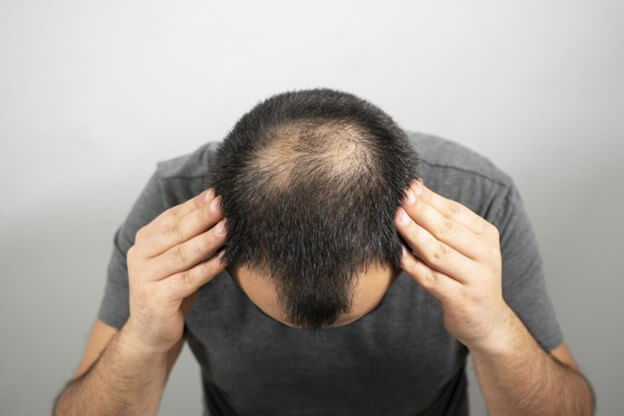
Pay attention to daily hair care routines
Proper daily hair care can significantly reduce the risk of hair loss and strengthen the hair roots. This includes choosing a shampoo that suits your hair and scalp type, avoiding heat styling, and limiting the use of harsh chemicals.Manage stress effectively
Stress is a key factor that weakens hair roots, shortening the hair growth cycle and increasing hair loss. Prolonged stress can even lead to baldness. Taking steps to reduce stress levels is essential for maintaining healthy hair.Seek professional guidance for hair restoration
Seeking professional treatments from hair specialists can effectively address hair health. Options like PRP injections, FRM Anti Hair Loss therapy, or ALMI Nano Fat techniques help rejuvenate and strengthen hair follicles, reduce hair loss, and promote the growth of new hair. These methods extend the hair’s life cycle and improve overall scalp health.
Self-care before and after a hair transplant is crucial for the success of the procedure. Following the doctor's recommendations and avoiding risky behaviors will help ensure the best possible outcome, making your investment in the procedure worthwhile. Proper care supports the healing process, maximizes hair growth, and prevents complications, leading to long-term, satisfactory results.