Table of Contents
- Hair Grafts: The Key Starting Point for Hair Transplantation
- Why Are Healthy Hair Grafts Important?
- Illness
- Popular Graft Extraction Techniques for Hair Follicle Transplantation
- Short Hair Technique (FUE)
- Long Hair Technique
- Advantages:
- Disadvantages:
- Can All Extracted Hair Grafts Be Used for Transplantation?
- Don't wait any longer! Schedule your free consultation with our experts today!
One common question for those researching hair transplants is whether all extracted hair grafts can be used for transplantation. Hair grafts play a crucial role in the success of hair restoration procedures, making the quality of each graft essential. So, what defines a good-quality hair graft? Do individuals have similar or different types of hair grafts? Let’s learn more about hair grafts in this article.
Hair Grafts: The Key Starting Point for Hair Transplantation
The journey of a hair transplant begins with "hair grafts." Each person has unique hair graft characteristics, which affects hair density. Specialists assess the density to determine if there are enough hair grafts available for transplantation. This "hair graft supply" is a crucial factor that impacts the success of a hair transplant, varying from person to person.
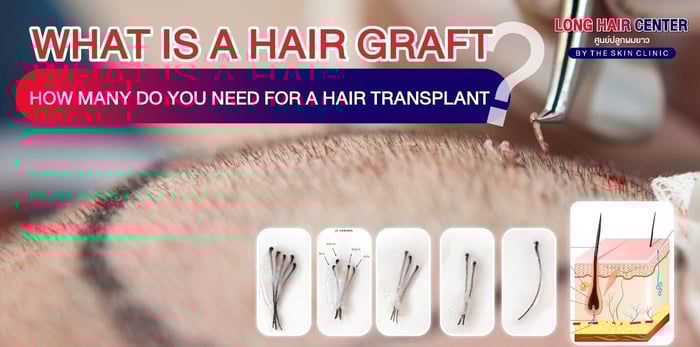
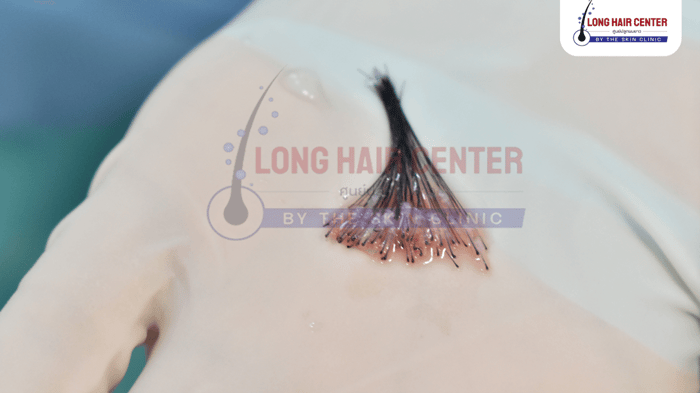
To understand the basics of hair transplantation, let’s first define "what is a hair graft." A hair graft is a cluster of hair follicle cells and hair strands, typically containing 1 to 4 hairs in a single follicle. Grafts used in transplants come from the donor area at the back of the head because hair in this region is more resistant to shedding than hair in other areas, yielding natural-looking results. Importantly, these grafts are well-suited for transplanting to areas with thinning hair or baldness since they are unaffected by DHT (Dihydrotestosterone), a hormone that impacts hair growth.
Why Are Healthy Hair Grafts Important?
The appearance and strength of newly transplanted hair depend on the quality of the hair grafts selected by the physician. For optimal hair growth, only strong and healthy grafts should be used. Additionally, the transplant procedure itself impacts graft survival, such as preservation of hair grafts during transfer, the solution used to store grafts, and the waiting time before implantation all play a role in the success of a hair transplant. Unusable grafts may lack roots or be damaged; if transplanted, they yield poor results or limited hair growth. The quality of each person’s hair grafts varies due to the following reasons:
Genetics
Hair characteristics are determined by genetics, such as straight or curly hair, fine or thick hair strands. some persons have 1–2 hairs per graft, while some persons have 3–4 hairs, leading to different hair densities.Age
Hair health gradually declines with age, reducing both hair density and strand thickness compared to young adults. As hair follicle cells shrink, hair is more prone to shedding.Illness
Certain illnesses, acute health conditions, and some medications can cause excessive hair loss.
External Damage to Hair and Scalp
Neglecting scalp health, such as through frequent heat styling, chemical treatments, or excessive hair coloring, can weaken hair. Over time, this can damage hair roots and increase the risk of hair loss.
Popular Graft Extraction Techniques for Hair Follicle Transplantation
There are various techniques for scarless hair transplantation that eliminate the need for shaving or cutting the hair short. These techniques, often combined with advanced tools for enhanced efficiency and speed, provide patients with diverse options for hair restoration. Among these, the Short Hair and Long Hair techniques are widely used, each with its own set of characteristics and implications for the transplantation process.
Short Hair Technique (FUE)
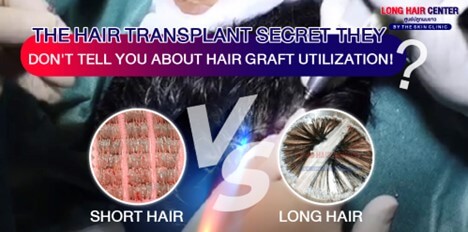
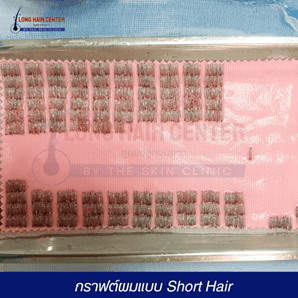
The Short Hair technique, also known as Follicular Unit Extraction (FUE), involves shaving the donor area at the back of the head. This allows for clear visibility of hair follicles, enabling precise graft extraction. The extracted grafts appear as short hair stubs containing 1 to 4 hair follicles each.
Advantages:
- Cost-effective: Generally, less expensive than the Long Hair technique.
Disadvantages:
- Visible shaved area: Requires shaving the back of the head, which may be noticeable during the recovery period.
- Longer recovery time: It may take 6 to 12 months for the transplanted hair to grow to a length that conceals the transplanted area and reveals the natural hair direction.
 Long Hair Technique
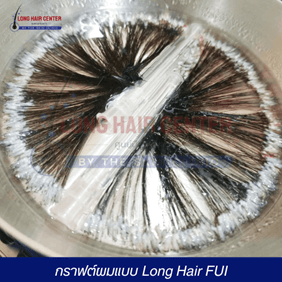
The Long Hair technique extracts grafts without the need for shaving. Specialized tools are used to harvest grafts while the hair remains long.
Advantages:
- Natural appearance: No shaving is required, maintaining a natural look throughout the process.
- Immediate results: The transplanted hair is visible immediately, allowing for easier hairline design and assessment of density.
- Shorter recovery time: No visible shaved area contributes to a quicker recovery.
Disadvantages:
- Technically challenging: Requires greater skill and precision due to reduced visibility of hair follicles.
 Can All Extracted Hair Grafts Be Used for Transplantation?
Successfully extracting hair grafts for transplantation requires a high level of skill, experience, and meticulous attention to detail. The process demands utmost care to prevent damage to the hair follicle cells, which are the essential "capital" for hair growth. Each step in the extraction process significantly influences the treatment outcome.
It's crucial to understand that not all extracted grafts are suitable for transplantation. Only healthy and robust grafts are selected, those with intact roots, surrounding sheaths, and no signs of damage or transection.
At The Skin Clinic, we maintain transparency with our patients regarding the number of grafts extracted and the number ultimately used for transplantation. In reality, not all extracted grafts can be utilized. For instance, out of 2,000 extracted grafts, approximately 50 to 100 grafts may be unsuitable for transplantation. At The Skin Clinic, we achieve a graft utilization rate of approximately 95%.
It's important to acknowledge that even with the highest level of expertise and skill, hair transplantation cannot guarantee 100% success. However, the quality of the grafts and the meticulous preparation process play a crucial role in achieving optimal outcomes.
If you are experiencing hair loss or thinning, seeking a consultation with a qualified hair transplant specialist is highly recommended. The specialist can analyze your hair graft quality and collaborate with you to design a personalized treatment plan that addresses your specific needs and goals.