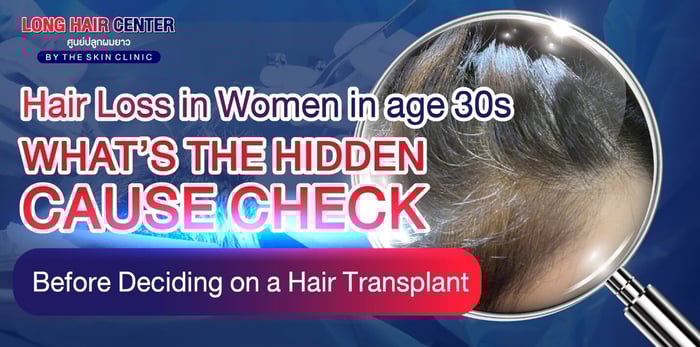
Hair loss in women can be a frustrating issue for women in their 30s, significantly affecting their appearance and confidence. Many may consider a hair transplant as a solution, but before making that decision, it's crucial to identify the root cause of hair loss. The factors behind hair thinning in women at this age go beyond just genetics. Let’s explore the hidden causes behind this problem.
Table of contents
Why You Should Avoid Hair Transplants Between the Ages of 20–25?
Hair loss in woman can occur between the ages of 15–35. However, it’s important to understand that a hair transplant involves transferring hair follicles from the back of the scalp to the desired area. Once the follicles are removed, they will not regrow in their original location. Hair transplantation requires a long-term treatment plan, especially for those experiencing hereditary hair thinning. Without proper planning, there may not be enough donor hair available for future transplants.
What Happens If You Get a Hair Transplant Without Knowing the Cause of Hair Loss?
If you decide to undergo a hair transplant without identifying the root cause of your hair loss, the results may not meet your expectations. For instance, if hair loss is caused by an underlying health issue and you opt for a transplant, not only will the outcome be unsatisfactory, but hair loss may continue, leading to patchy thinning even after the procedure. Additionally, hair transplantation is a costly procedure, and once hair follicles are extracted, they cannot be restored. If you proceed with a transplant without addressing the underlying issue, you may face unnecessary complications. It's important to understand that a hair transplant is not a universal solution for all types of hair loss and thinning.
Excessive Hair Loss in Women Aged 15–35 May Be Caused by:
Vitamin D deficiency
Vitamin D plays a crucial role in hair and scalp health. One of its primary functions is stimulating hair follicles and promoting hair growth. A deficiency in vitamin D can disrupt the hair growth cycle, leading to excessive hair shedding. When the body does not receive enough vitamin D, hair follicles on the scalp may enter the resting phase prematurely, causing hair to fall out earlier than expected. Research also suggests that vitamin D deficiency may be linked to Alopecia Areata, an autoimmune condition where the immune system mistakenly attacks hair follicles, resulting in patchy hair loss.

Birth control implant
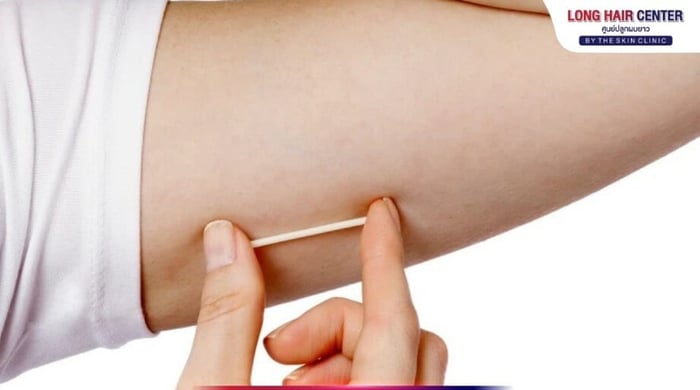
The birth control implant is a convenient and highly effective contraceptive method. However, some individuals may experience hair loss as a side effect due to hormonal fluctuations. The hormones in birth control implants, usually progestin, can affect the hair growth cycle. Sudden hormonal changes, such as starting or stopping birth control, can disrupt this cycle, pushing hair follicles into the resting phase prematurely, leading to increased shedding. In most cases, hair loss caused by hormonal changes is temporary, and hair can regrow once the body adjusts to the new hormone levels. However, for individuals genetically predisposed to hair thinning or with heightened hormone sensitivity, hair loss may be more severe and prolonged.
Polycystic Ovary Syndrome (PCOS)
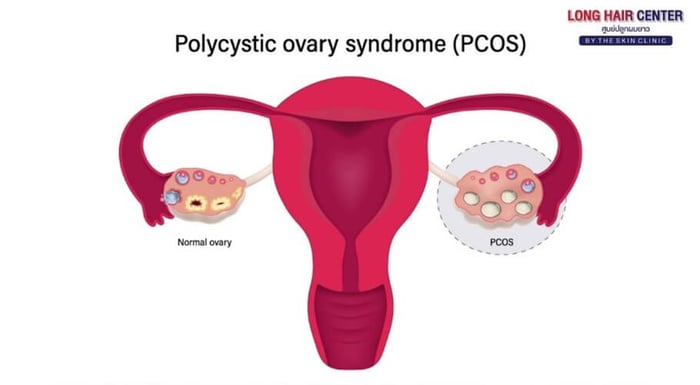
PCOS is a condition caused by hormonal imbalances, affecting reproductive health and leading to elevated androgen (male hormone) levels. This can cause thinning hair, particularly at the crown of the head. Hair loss in PCOS occurs because the scalp's hair follicles are overly sensitive to androgens, which shorten the hair growth cycle. As a result, new hair strands become thinner, weaker, and fall out more easily. PCOS-related hair loss is often chronic and may worsen if left untreated. Managing PCOS-related hair thinning may involve hormone-balancing medications prescribed by a doctor, such as birth control pills to lower androgen levels or anti-androgen medications to minimize the effects of hormones on hair follicles.
Iron deficiency
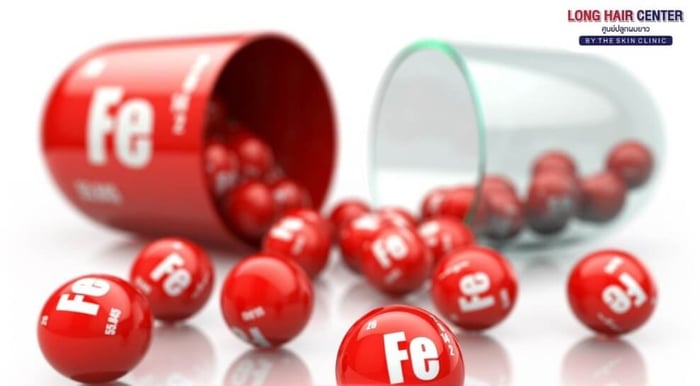
Iron deficiency is one of the most common yet overlooked causes of hair loss. Iron is essential for producing red blood cells, which transport oxygen and nutrients throughout the body, including to hair follicles. When the body lacks iron, oxygen supply to hair roots is reduced, causing hair to weaken, fall out easily, and grow back more slowly. Other symptoms of iron deficiency include fatigue, pale skin, brittle nails, and dizziness. If hair loss is caused by low iron levels, adjusting the diet and taking iron supplements as recommended can help restore hair health. However, hair recovery can take 3–6 months before noticeable improvement occurs.
Acute hair loss condition (Telogen Effluvium, TE)
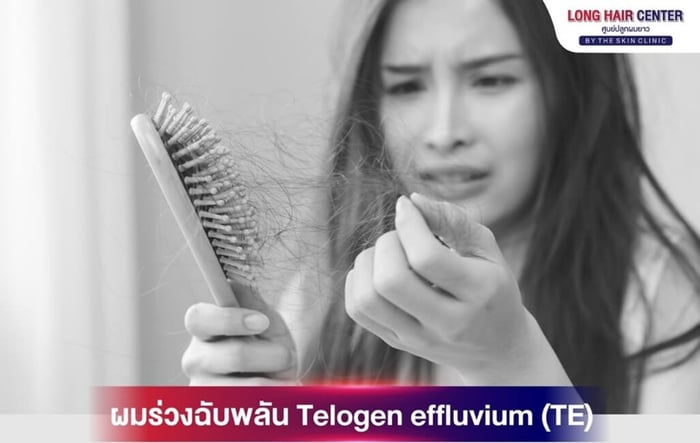
Telogen Effluvium is a sudden hair loss condition caused by disruptions in the hair growth cycle. In this condition, a significant number of hair follicles enter the shedding phase prematurely, resulting in excessive hair loss within a short period. TE is often triggered by severe physical or emotional stress, including major illnesses, surgery, childbirth, nutritional deficiencies, or extreme stress. This condition is not permanent, and hair can regrow once the body recovers from the triggering factor. However, the hair regrowth process may take several months. Maintaining overall health through a balanced diet, stress management, and proper scalp care can accelerate hair recovery.
Hair loss in women in their 30s can be caused by various factors, such as stress, hormonal imbalances, and nutritional deficiencies. If the root cause is unknown, rushing into a hair transplant may not be the best solution, as it does not address the underlying issue. The most important step is to consult a doctor to determine the cause and choose the most suitable treatment for you.