Table of contents
The signs of thinning hair usually appear as you age, but typically, they are not associated with any health issues. However, hair thinning can be caused by genetics and a lack of nutrients from an unhealthy diet.
Even though some may try to console themselves that hair thinning is not a serious problem, this condition can severely affect their mental health and confidence over time. In cases related to genetics, hair thinning is inevitable. The hair will gradually lose its strength and thickness. Hair follicles will stop producing new hair strands, and the existing hair strands will become thinner as the person ages.
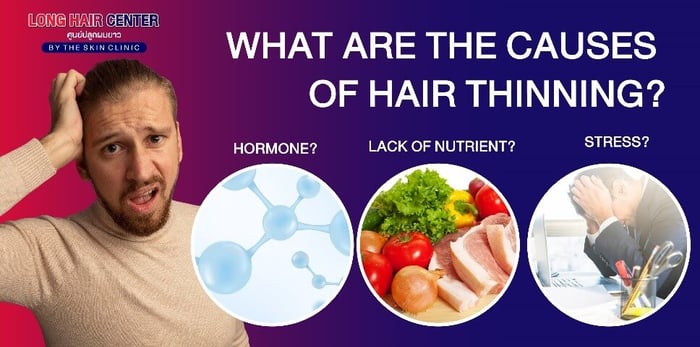
What Are the Causes of Hair Thinning?
As we aware, the number one cause of hair loss is genetics, but surely there are more than just one thing that could cause hair thinning and what are they? Let’s explore these causes together.
Nutrients
Our body requires a sufficient amount of nutrients to produce new hair strands and nourish hair follicles to maintain healthy hair. A lack of nutrients and vitamins, such as Vitamin D deficiency, could potentially cause hair loss, thinning hair, and other related conditions.
Stress and Other Causes
Additionally, people may notice their hair becoming thinner after a prolonged period of stress. This condition is called "Telogen Effluvium". It forces hair follicles to enter a resting state, which leads to excessive hair shedding. The condition can be triggered by stress, hormonal changes, or side effects of medications, for example pregnancy, childbirth, or hyperthyroidism.
*It is important to consult an expert after experiencing excessive hair shedding, as the causes can vary.
Treatment Options
Oral Medications
Patients can be prescribed oral medications to treat the condition.
- Minoxidil: This is a safe and effective method for treating hair loss. However, the effect is not permanent, meaning the patient must continue taking the medication. If the patient stops taking the medication, the hair will begin to fall out excessively again.
- Finasteride: This medication requires the patient to take a dose of 1 mg per day. However, it has side effects such as reduced libido, erectile dysfunction, and enlarged breasts (in men). The likelihood of these side effects is less than 3%, depending on the individual.
Hair Transplantation
This method increases hair volume in hair loss affected area. It is often more effective than typical oral medication treatments. The procedure involves moving existing hair follicles from the back of the scalp to the desired areas. While this procedure can be time-consuming compared to other methods. The results can last longer or even be permanent, depending on the surgeon’s technique and the patient. Nevertheless, this method may not be suitable for everyone, especially for chemotherapy patients, individuals experiencing severe to complete baldness, and those with injury scars on their scalp.
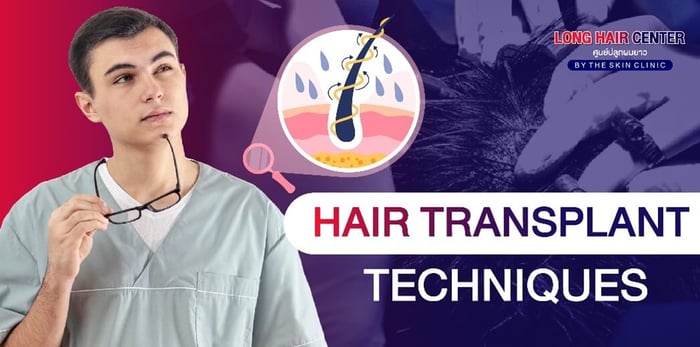
Hair Transplant Techniques
FUT (Follicular Unit Transplantation)
The surgeon will remove a strip of the scalp from the back of the head using a scalpel. The strip is then divided into smaller sections called "graft". Some pieces may contain only one hair follicle. After that, these follicles are extracted and implanted into small holes created in the desired area.FUE (Follicular Unit Extraction)
This technique involves extracting hair follicles directly from the scalp. Afterward, the surgeon creates small holes and implants the hair follicles into the desired area. By using this technique, the scars can hardly be visible due to the size.
However, FUT and FUE techniques can take hours or even a day to complete, depending on the size of the treating area