Table of Contents
- What causes hair loss?
- How Much Hair Loss Is Considered Abnormal?
- Understand the Root Cause of Hair Loss! Stop relying on online remedies and misconceptions that could worsen the problem!
- Don't wait any longer! Schedule your free consultation with our experts today!
Hair loss is an issue that affects many people, both men and women. Many might not realize they are losing hair until the problem progresses to thinning hair or baldness. This article will guide you through understanding the causes of hair loss, how to identify abnormal hair shedding, what steps to take, and what to avoid when hair loss begins!
What causes hair loss?
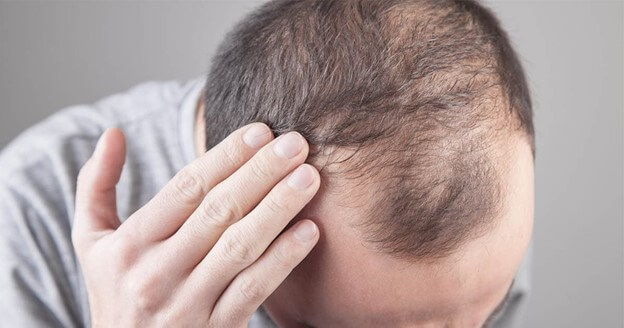
Hormones and Genetics
• DHT Hormone (Dihydrotestosterone): A key factor that weakens hair follicles, making hair more prone to shedding.
• Characteristics: Hair loss typically recedes at the hairline or occurs at the crown of the head.Stress
• Physical and Emotional Stress: Can trigger acute hair loss (Telogen Effluvium).
• Illness, Surgery, or Stress from Work and Daily Life: Common contributors to this condition.
Characteristics: Hair loss occurs evenly across the scalp without a specific pattern.Diseases and Health Conditions
• Thyroid Disorders: Abnormal thyroid function affects hair growth.
• Autoimmune Diseases: Conditions like Alopecia Areata cause patchy hair loss.
• Anemia: Iron deficiency weakens hair, while other conditions like PCOS (Polycystic Ovary Syndrome) can also be contributing factors.Nutritional Deficiencies
• Protein: A crucial component of hair structure.
• Iron: Essential for oxygen delivery to hair follicles.
• Biotin and Zinc: Stimulate hair growth.
• An unbalanced diet or improper weight loss methods may also lead to hair loss.Medication Use
• Chemotherapy Drugs: Target rapidly dividing cells, including hair follicles.
• Hormonal Medications: Such as birth control pills or testosterone-based treatments.
• Chronic Disease Medications: Like those for managing high blood pressure.Hair Care Habits
• Chemical Treatments: Such as dyeing, perming, straightening, or bleaching.
• Heat Styling: Frequent use of hair dryers, curling irons, or straighteners.
• Hair Tension: Tight hairstyles or using inappropriate brushes.
How Much Hair Loss Is Considered Abnormal?
Typically, hair loss of about 100 strands per day is normal, or up to 200 strands on hair-washing days. However, if you notice more than 200 strands falling out daily, it may be abnormal. But how can you count them? With the many activities we do each day, it’s hard to pinpoint when and where the hair falls out. One simple technique is to count the strands of hair that fall out after waking up. To make this easier, use white bedding to spot hair more easily. Ensure there’s no hair on the bed before sleeping. After 8 hours of sleep, count the strands on the bed. For example, if you find 100 strands of hair on the bed, this suggests an average daily hair loss of around 300 strands, this is highly abnormal. You should consult a doctor immediately to identify the cause and receive appropriate treatment!

Understand the Root Cause of Hair Loss! Stop relying on online remedies and misconceptions that could worsen the problem!
Don’t jump to Minoxidil
Starting Minoxidil treatment immediately after noticing hair loss can be likened to boarding a roller coaster with no stops. Once you begin using it, you must continue indefinitely, often increasing the concentration percentage to maintain results. Stopping its use will cause the regrown hair to thin again rapidly, much like a roller coaster that plummets after reaching its peak.
For example, hair thinning at the top or crown of the head caused by DHT might improve with Minoxidil. However, thinning on the sides of the head due to vitamin deficiencies might show little to no improvement with this treatment. The key issue is that the underlying cause of hair loss remains unaddressed. A critical warning is that once you start using Minoxidil, stopping is not an option without consequences.Don’t jump to Finasteride
Starting finasteride treatment immediately after noticing hair loss is like boarding a non-stop flight. Once you begin taking it, you must continue consistently. If you stop, the hair that had regrown will shed again rapidly, much like a plane that must keep flying, if it stops, it will crash immediately.Don’t jump to PRP
Starting PRP treatment immediately after noticing hair loss is like getting on a Ferris wheel. You need to continue the treatments monthly, going around several times before you start seeing results. According to statistics, more than 15 sessions are often required before noticing any changes, which can be discouraging. Additionally, PRP is not suitable for everyone, and it may take a long time with the risk that the results might not meet expectations.Don’t jump to Hair Transplant
Starting hair transplant treatment immediately after noticing hair loss is like boarding a train full of zombies, as seen in the movie Train to Busan. Hair transplants are not suitable for everyone, especially if you have thinning hair where a transplant isn’t the solution. This method may not yield the expected results and could deplete your limited hair grafts, which cannot be replenished, much like zombies draining the life out of you. For example, in conditions like Frontal Fibrosing Alopecia (FFA), where hair loss is caused by inflammation, a hair transplant would destroy the hair follicles, wasting your grafts. The disease must be treated and resolved first.

When hair loss begins, you should not rush into decisions or search for information online. The most important step is to consult a doctor to identify the true cause of your hair loss, such as through detailed hair and scalp analysis with AI Hair Scans, blood tests, and checks for vitamin and mineral deficiencies. The doctor will help analyze the problem and create the most suitable treatment plan for you.