Table of Contents
- Unexpected Causes of Thinning Hair
- 5 Alternatives for Treating Thinning Hair Without a Hair Transplant: Which Option Is Right for You?
- Don't wait any longer! Schedule your free consultation with our experts today!
Many people are searching for ways to address hair thinning and hair loss, but they may not realize that there are treatment options that don’t involve hair transplants! Each method has its own advantages and disadvantages. Which one might be the best fit for you? This article will introduce you to five alternative treatments for thinning hair without hair transplant.
Unexpected Causes of Thinning Hair
Hair thinning and hair loss can arise from many causes and can happen to anyone. The most common causes are hormones and genetics, affecting both men and women. Thinning hair often has distinctive patterns, men may notice a receding hairline or thinning at the crown, while women may see a widening part that reveals more of the scalp. Another surprising factor is environmental impact, including sunlight, UV radiation, dust, smoke, and pollution, as well as lifestyle habits. These factors can weaken hair health, leading to premature thinning and hair loss. Understanding the exact cause of the issue can make treatment more effective.
5 Alternatives for Treating Thinning Hair Without a Hair Transplant: Which Option Is Right for You?
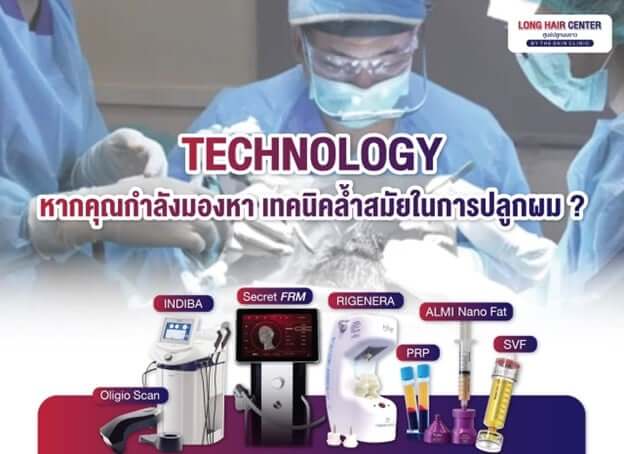
In recent years, various techniques have been developed to revitalize the scalp and hair without requiring a hair transplant. These methods strengthen hair roots, stimulate growth, and increase hair thickness. The appeal lies in using substances or cells from your own body for treatment, known as autologous therapy. This approach is highly safe and poses no risk of allergic reactions.
1. Growth Factor

PRP is a highly popular technique for treating hair thinning. It involves injecting the patient’s scalp with platelet-rich plasma. This is done by drawing the patient’s blood, then processing it to concentrate the platelets, which are rich in various growth factors. These growth factors stimulate hair follicle cells to promote new growth and strengthen hair. PRP is also used to treat conditions like osteoarthritis, tendonitis, and for anti-aging purposes. The advantages of PRP include its simplicity, quick procedure time, minimal downtime, and mild discomfort. PRP prices vary depending on the technique used, ranging from a few thousand to tens of thousands. Treatment results show around 10% effectiveness.
2. ERP (Exosome Rich Plasma)
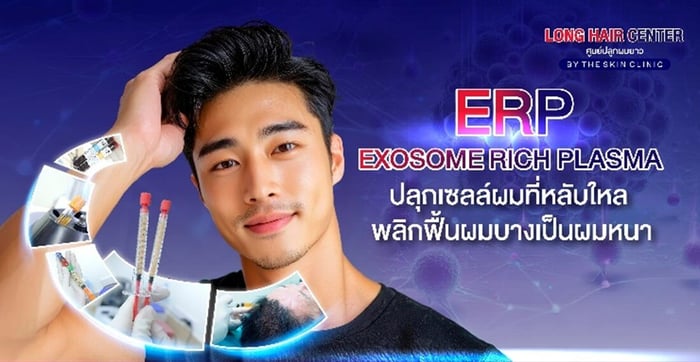
This technique is not yet widely used in Thailand but is popular in Europe. Similar to PRP, ERP involves separating platelets, but with an added step to extract exosomes from the platelets. ERP contains a high concentration of growth factors that help stimulate hair follicle growth, repair, and restore hair roots to a stronger state. The advantages of ERP include higher quality and effectiveness compared to regular PRP, requiring only two sessions per year and showing approximately 30% treatment effectiveness.
3. FRM (Fractional RF Microneedle)
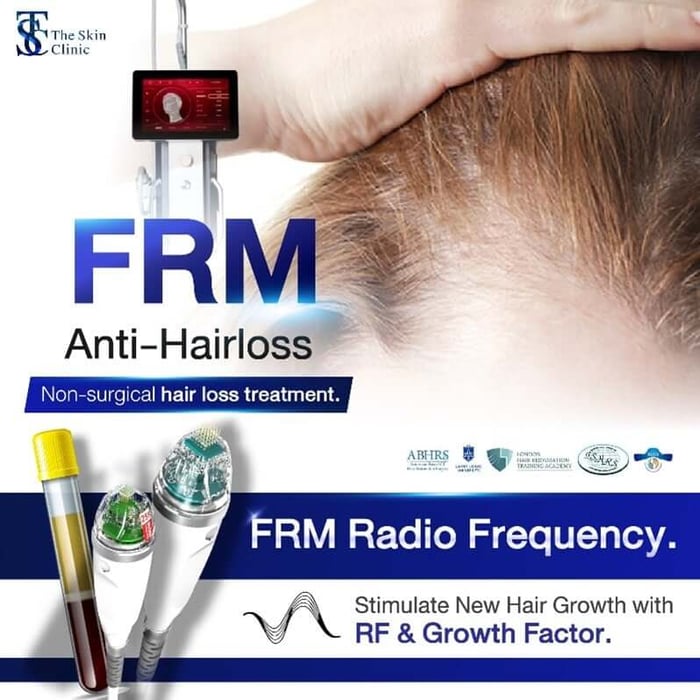
Widely popular abroad, this technique treats hair thinning by combining radiofrequency (RF) energy with microneedling, often alongside PRP or exosome treatments. Tiny needles deliver RF energy to the scalp, stimulating blood circulation and hair growth. The advantage of FRM is that it opens up the scalp, allowing better absorption and distribution of treatment substances. Results are typically seen after 4-6 sessions, with a yearly recommendation of 6-10 sessions depending on individual needs, and treatment effectiveness is around 10-30%.
4. SVF (Stromal Vascular Fraction)

This method helps slow hair loss and stimulates hair follicle cell growth by extracting stem cells from the patient's fat via liposuction, yielding a component called Stromal Vascular Fraction, which is then injected into the patient’s scalp. The advantage of SVF is that it only requires one session per year, with treatment results showing around 30-40% effectiveness.
5. ALMI Nano Fat (Autologous Lipocyte Micronized Injection)
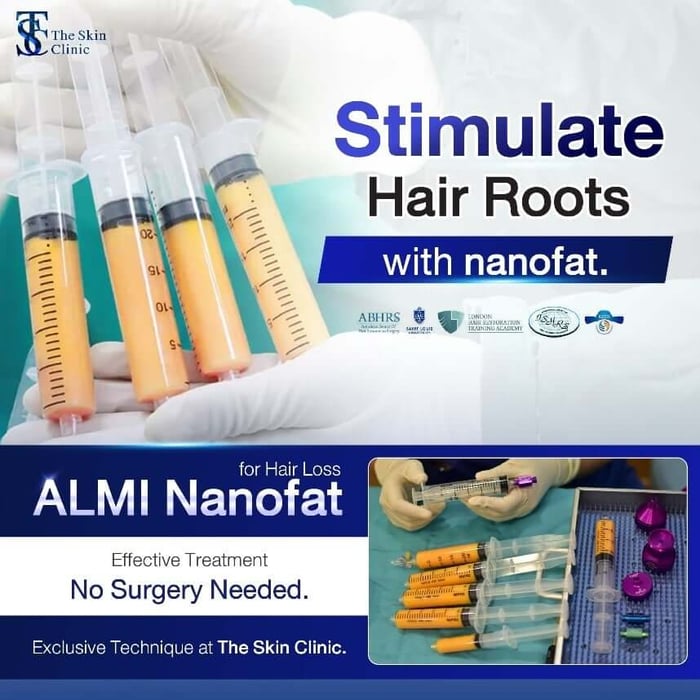
Widely researched and popular in Europe and the U.S., this technique uses the patient’s own fat for treatment. High-quality fat cells are isolated and injected into areas with hair thinning or hair loss. Nano fat helps repair and rejuvenate hair follicles, contributing to increased hair thickness. The advantage of ALMI is that it’s a single-treatment approach with visible results, no chemicals, and no risk of allergic reactions. Treatment effectiveness is approximately 40-50%.
Another method that doesn’t use substances or cells from your own body is MESOHAIR or Mesotherapy, which involves injecting medication or various vitamins directly into the hair follicles. Costs vary depending on the quality of the medication used. Before treatment, you should always check the brand and ingredients of the product to ensure it is FDA-approved. The benefit of this method is that it doesn’t require blood draws; treatment can begin right away. However, even with the same medication, results can vary depending on the individual’s response to the treatment.
There are many diverse and interesting options for treating thinning hair, each with its own pros and cons. These methods can only help reduce hair loss and slow down thinning but don’t stop hair loss permanently. Since everyone’s hair and scalp conditions are unique, personalized consultation is essential to help you choose the treatment that’s best for you.