Table of Contents
- Get to Know Rigenera Cell Micrograft Hair
- Steps in the Rigenera Cell Micrograft Hair Procedure
- How Effective is Rigenera Cell Micrograft Hair?
- Why Choose the Rigenera Cell Micrograft Hair Technique?
- Who is Rigenera Cell Micrograft Hair Suitable For?
- Differences Between Rigenera Cell Micrograft Hair and Hair Follicle Transplantation
- Frequently Asked Questions
- Don't wait any longer! Schedule your free consultation with our experts today!
There are various methods to address hair loss and thinning, with advancements in techniques yielding increasingly effective results. One promising solution for those experiencing early-stage hair loss or thinning without needing follicle transplantation is the Rigenera Cell Micrograft Hair technique. This approach delivers excellent results, is safe, and does not involve any chemicals. This article will introduce you to this innovative technique, highlighting its features, advantages, and ideal candidates.
Get to Know Rigenera Cell Micrograft Hair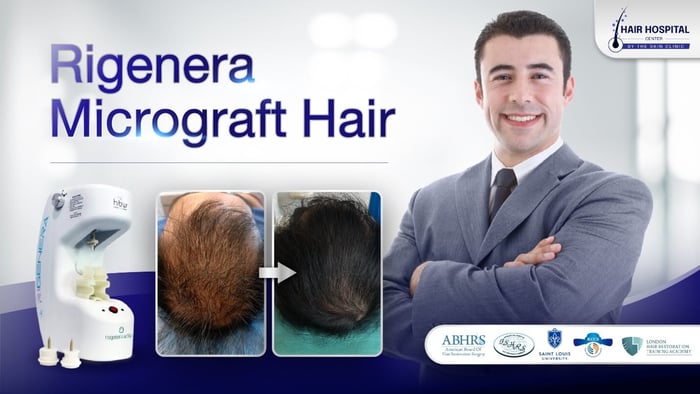
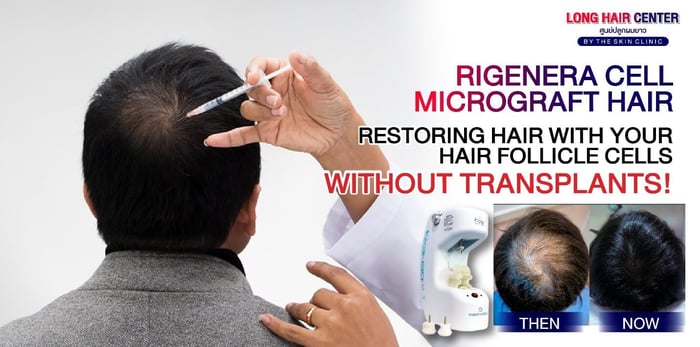
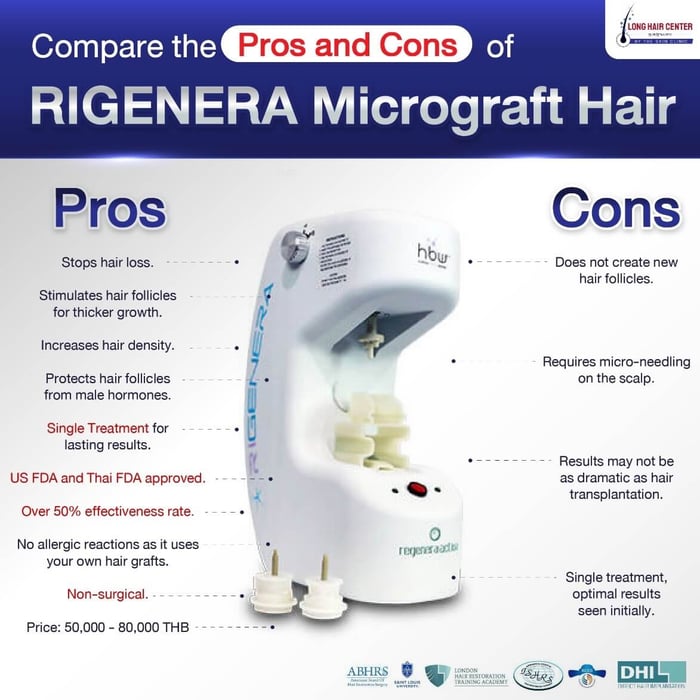
Hair restoration using hair follicle cells, medically known as Rigenera Cell Micrograft Hair, is an innovative solution for hair loss, thinning hair, and baldness, originating from Italy. This technique regenerates new hair using the patient’s own hair follicle cells without the need for surgical hair transplantation. It is based on Stem Cell Therapy principles and utilizes a specialized device called Rigenera Activa. The process involves extracting hair follicle cells and refining them into extremely small units, known as micrografts. Only healthy and strong follicle cells are selected and injected into targeted areas of the scalp. This helps rejuvenate and strengthen weak hair follicles while stimulating dormant follicles affected by the hormone DHT (Dihydrotestosterone). As a result, the treatment promotes new hair growth and slows hair shedding.
Steps in the Rigenera Cell Micrograft Hair Procedure
1. Selection of Healthy Hair Follicle Cells: Hair follicle cells are carefully extracted from the nape of the neck, a region with the strongest and most resilient hair follicles that are less prone to shedding due to male hormones, a common cause of hair loss. Tissue is collected from 4 small points at the back of the head, each with a diameter of 2 millimeters.
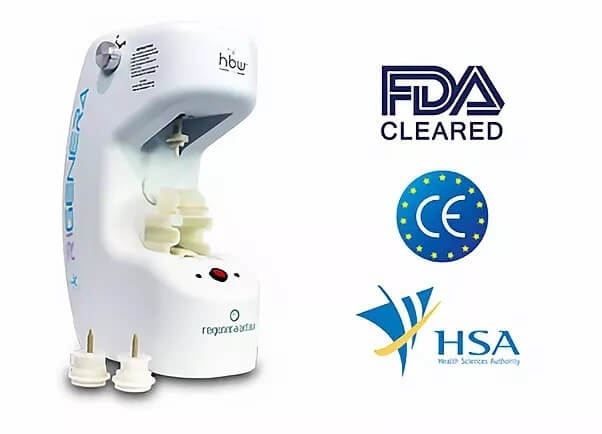
2. Extraction Process Using Rigenera Activa: The extracted follicles are processed using the Rigenera Activa device, which isolates and extracts hair stem cells.
3. Injection into Targeted Areas: The extracted stem cell solution is then injected into areas experiencing hair thinning, provided that some follicles are still present. The entire procedure takes approximately 1 hour.
How Effective is Rigenera Cell Micrograft Hair?
- Hair becomes thicker and stronger, with reduced shedding.
- Not only does it stimulate hair follicles, but it also protects them from the effects of the hormone DHT.
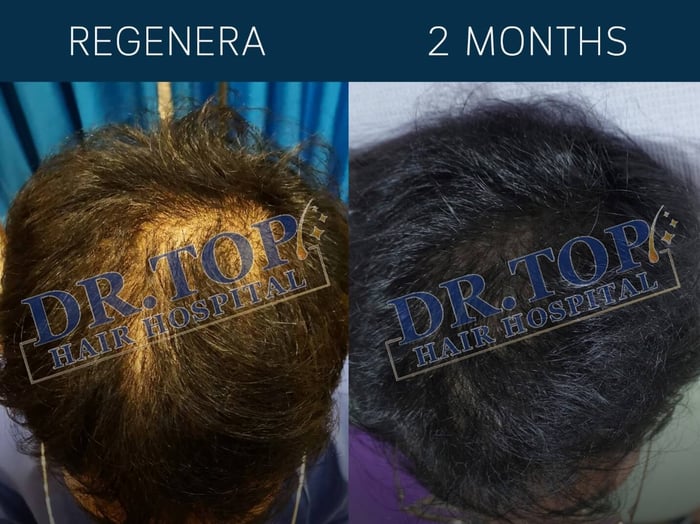
- Results become noticeable around 3 months after the procedure, with an effectiveness rate of approximately 40–50%.
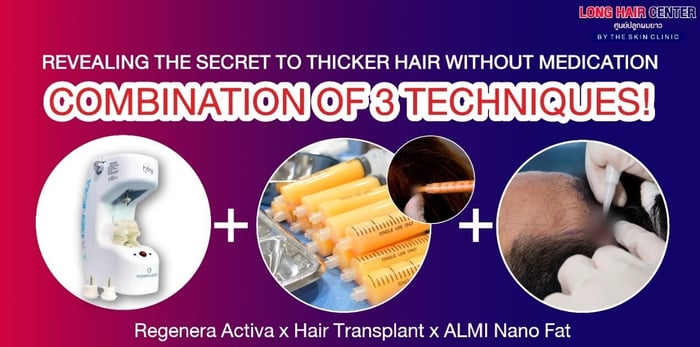
- The treatment can be combined with hair follicle transplantation, either before or after, to enhance the overall results of the transplantation.
Why Choose the Rigenera Cell Micrograft Hair Technique?
- No surgery required and no recovery period needed; you can resume daily activities immediately after the procedure.
- Safe and chemical-free, with no risk of allergic reactions, as it uses the patient’s own cells.
- A single treatment delivers visible and effective results.
- Newly grown hair looks natural and soft, without any stiffness.
Who is Rigenera Cell Micrograft Hair Suitable For?
- Individuals with early-stage hair thinning who still have remaining hair follicles and open pores.
- Those with weak hair follicles.
- People experiencing hair loss due to genetics, hormones, or stress.
- Individuals with diffuse hair thinning across the scalp or baldness in the central area.
- Those with fine, thin hair who want to increase hair thickness.
- People seeking a non-surgical hair restoration option.
- Individuals unable to undergo hair follicle transplantation.
- Those looking to strengthen and enhance hair health after transplantation.
Differences Between Rigenera Cell Micrograft Hair and Hair Follicle Transplantation
Rigenera Cell Micrograft Hair involves extracting stem cells from the patient’s own hair follicles and injecting them into targeted areas of the scalp to stimulate follicles and promote new hair growth. The results typically last for about 1-2 years. In contrast, hair follicle transplantation involves harvesting hair follicles from the back of the head and implanting them in areas affected by baldness. The newly transplanted hair grows naturally, remaining for a long time but eventually shedding according to the natural hair growth cycle. Rigenera Micrograft Hair is similar to fertilizing plants, strengthening hair roots and promoting healthy growth. However, for cases of complete baldness where no hair follicles remain, hair follicle transplantation is the more appropriate solution.
Frequently Asked Questions
1. Does the Rigenera Cell Micrograft Hair technique hurt?
Throughout the procedure, local anesthesia is administered, ensuring that patients feel no pain. At The Skin Clinic, the team uses the Long Hair technique for graft extraction, eliminating the need to shave the hair. A small extraction tool is used, resulting in tiny wounds that are barely noticeable.
2. How long do the results last?
A single Rigenera Cell Micrograft Hair session produces visible results. However, the duration depends on individual hair conditions. The results are long-lasting, with new hair growth and shedding following the natural hair growth cycle. The effectiveness typically lasts about 1-2 years.
3. How many times can this technique be performed?
The procedure can be repeated multiple times, with a recommended interval of about one year between sessions. The first session generally delivers the most significant results.
Rigenera Cell Micrograft Hair is an effective and highly safe treatment for addressing early-stage hair loss and thinning. The procedure has no side effects and involves no chemicals, as it utilizes the patient’s own cells. However, to determine if this technique is suitable for your hair loss or thinning issues, it is essential to consult a specialist. A thorough evaluation can help identify the exact cause of your condition and provide the most appropriate treatment for you.