Table of Contents
- What is Hair Transplantation?
- Is Hair Transplantation Suitable for Everyone?
- Advantages of Hair Transplantation
- Limitations of Hair Transplantation
- Who is Suited for Hair Transplantation? And Who Is Not?
- Who is a Good Candidate for Hair Transplantation?
- Who is Not a Good Candidate for Hair Transplantation?
- 5 Conditions You Shouldn't Treat with a Hair Transplant
- Where is the best hair transplant clinic? Factors to be considered before a hair transplantation.
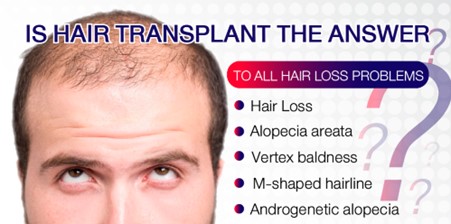
- Is hair transplantation the answer for your hair loss?
- Don't wait any longer! Schedule your free consultation with our experts today!
Hair loss, thinning hair, and baldness are common concerns for both men and women, often causing stress and diminishing self-confidence. While hair transplantation offers a promising solution with satisfactory results for many, it's essential to understand that it may not be the answer for every hair loss condition.
Here are facts you need to know before getting hair transplantation.
What is Hair Transplantation?
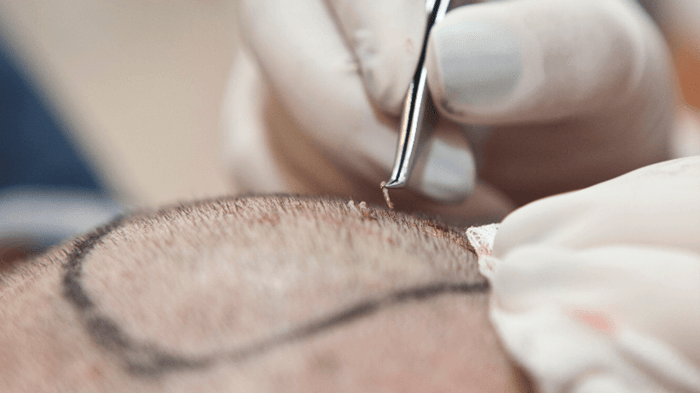
Hair transplantation is a surgical procedure that involves relocating healthy hair follicles from the donor area, typically the back or sides of the head, to the recipient area experiencing hair loss or thinning. This technique can address various types of hair loss, including male or female pattern baldness, and can even be used to restore hair in scarred areas.
Advancements in hair transplant techniques and technologies have significantly improved the efficiency and effectiveness of this procedure.
Is Hair Transplantation Suitable for Everyone?
It's crucial to recognize that not all hair loss conditions are suitable for transplantation. Furthermore, not everyone experiencing hair loss requires a hair transplant. Each individual presents with unique circumstances and underlying causes of hair loss.
A qualified hair transplant surgeon will conduct a thorough assessment, considering factors such as age, hair and scalp condition, extent of hair loss, overall health, and any underlying medical conditions or medications, to determine the most appropriate treatment approach.
Advantages of Hair Transplantation
- Natural-looking results: Transplanted hair grows and behaves like natural hair, providing a seamless and undetectable result.
- Long-lasting solution: Transplanted hair follicles retain their natural growth cycle, offering a permanent solution to hair loss.
- Minimal downtime: The procedure typically involves minimal discomfort and a quick recovery, allowing patients to return to their daily activities soon after.
Limitations of Hair Transplantation
- Donor hair availability: A sufficient supply of healthy hair follicles in the donor area is necessary for a successful transplant.
- Medical considerations: Certain medical conditions or medications may make individuals unsuitable candidates for hair transplantation.
- Donor area scarring: While modern techniques minimize scarring, some scarring may be unavoidable in the donor area.
Who is Suited for Hair Transplantation? And Who Is Not?
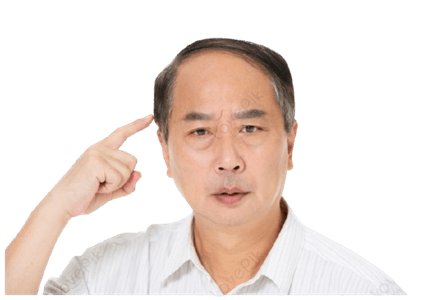
Hair transplantation is a viable solution for many individuals experiencing hair loss, but it's not universally suitable for everyone. A thorough assessment by a qualified hair transplant specialist is crucial to determine candidacy and ensure optimal outcomes.
The goal of hair transplantation is to maximize the efficient use of a limited donor hair supply. Ideal candidates possess healthy hair growth in the donor areas, typically the back and sides of the head, which provide the hair follicles for transplantation.
Who is a Good Candidate for Hair Transplantation?
- Individuals with hair loss, thinning hair, or baldness due to heredity or hormonal changes: This includes those with male or female pattern baldness, where hair follicles have miniaturized or become inactive.
- Individuals with abnormal hair thinning that may lead to future baldness: Proactive transplantation can help prevent further hair loss and maintain a desirable hair density.
- Individuals with hair loss due to trauma or scarring: This includes hair loss from burns, accidents, or previous surgeries.
- Individuals with receding hairlines or those seeking to adjust their facial framing: Hair transplantation can create a more aesthetically pleasing hairline and restore confidence.
Who is Not a Good Candidate for Hair Transplantation?
- Individuals with insufficient donor hair: An adequate supply of healthy hair follicles in the donor area is essential for a successful transplant.
- Individuals with diffuse hair loss: Conditions like diffuse unpatterned alopecia (DUPA) or frontal fibrosing alopecia (FFA) may not be effectively addressed with transplantation.
- Individuals with certain medical conditions: Health issues like uncontrolled diabetes, high blood pressure, or heart disease may pose risks during surgery and affect healing. Each case must be evaluated individually.
- Individuals with specific hair loss disorders: Certain conditions, including
√ DUPA (Diffuse Unpatterned Alopecia)
√ FFA (Frontal Fibrosing Alopecia)
√ CCCA (Central Centrifugal Cicatricial Alopecia)
√ AA (Alopecia Areata)
√ (Trichotillomania)
5 Conditions You Shouldn't Treat with a Hair Transplant
Where is the best hair transplant clinic? Factors to be considered before a hair transplantation.
While hair transplantation can be a highly effective solution for hair loss, achieving optimal results requires careful consideration and selection of the right clinic and treatment approach.
To ensure a successful and satisfying hair transplant experience, consider the following factors:
- Surgeon Expertise and Clinic Standards
Prioritize clinics with a proven track record of success and a team of experienced, qualified hair transplant surgeons. The surgeon's expertise significantly influences the outcome of the procedure, impacting the naturalness of the hairline, minimizing scarring, and preventing complications like infection. - Comprehensive Treatment Techniques
Seek out clinics that offer a variety of hair transplant techniques. This ensures a tailored approach to your specific hair loss condition and goals. A clinic with limited techniques may not provide the most effective solution for your individual needs. - Comprehensive Pre- and Post-Transplant Care
Hair transplantation is a multi-faceted process that extends beyond the surgical procedure itself. Choose a clinic that prioritizes patient education and provides comprehensive pre- and post-transplant care. This includes thorough consultations, detailed instructions for post-operative care, and ongoing support to ensure optimal healing and hair growth.
Is hair transplantation the answer for your hair loss?
The decision to undergo hair transplantation should be made in consultation with a qualified hair transplant surgeon. They will assess your individual needs, discuss your expectations, and recommend the most suitable treatment plan.
Remember that various techniques exist, and the surgeon may employ a combination of approaches to achieve the best possible outcome for your specific case.