Table of contents
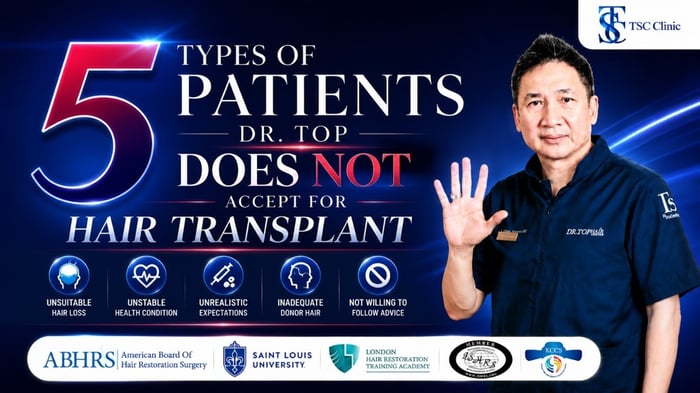
Many people who struggle with thinning hair or baldness often see a hair transplant as a solution to restore their confidence. However, in reality, not every case is suitable for a hair transplant. If the body and scalp condition are not yet ready, not only may the hair grafts fail to survive or the transplanted hair fail to grow, but other complications may also occur afterward. This article will introduce you to 5 cases in which a hair transplant may not be recommended, so you can better understand the safest and most suitable approach to hair restoration for yourself.
People with Patchy Hair Loss Caused by Alopecia Areata (AA)
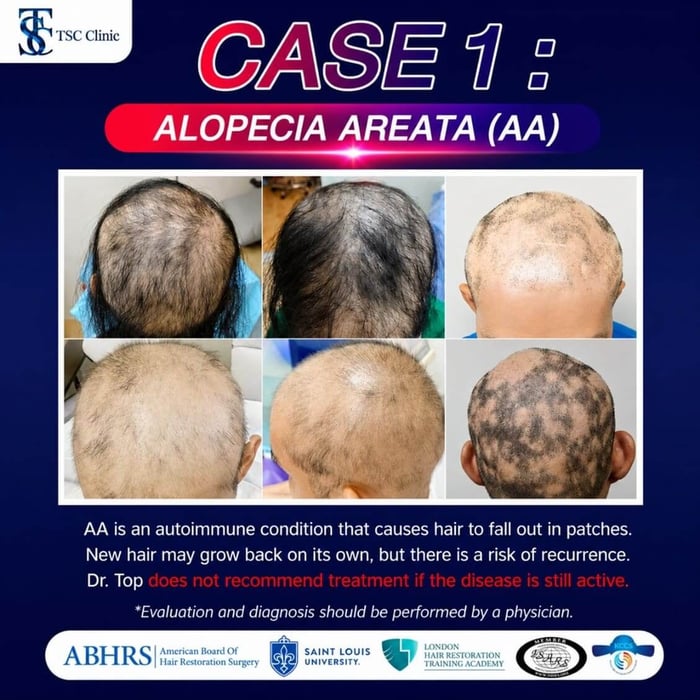
This condition causes hair to fall out in patches or across different areas of the scalp. It occurs when the body’s immune system attacks its own hair follicles, resulting in weakened roots that are unable to produce hair normally. In cases like this, a hair transplant may not be the most suitable solution. Even if healthy grafts are transplanted into the thinning area, if the scalp condition and disease are still active, there is a high risk of repeated hair loss, which may lead to unnecessary loss of valuable grafts. It can be compared to planting a healthy tree in poor-quality soil, it may not be able to grow properly.
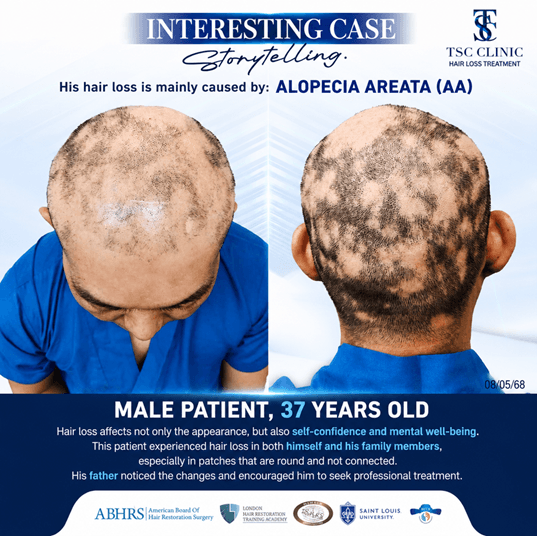
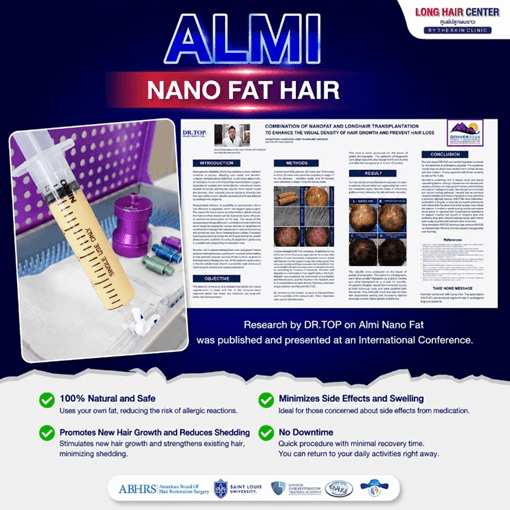
For this reason, Dr. Top does not recommend rushing into a hair transplant while the disease is still active. However, this does not mean the case is hopeless. For example, one of Dr. Top’s male patients, aged 37, was diagnosed with a relatively severe case of Alopecia Areata that had not yet reached the stable phase. Dr. Top therefore recommended scalp restoration treatment using ALMI NANO FAT, a procedure involving injections of the patient’s own fat-derived cells into the scalp. This helps reduce inflammation, stimulate hair follicle recovery, strengthen weakened roots, and encourage new hair growth in patchy or thinning areas.
People with Frontal Fibrosing Alopecia (FFA)
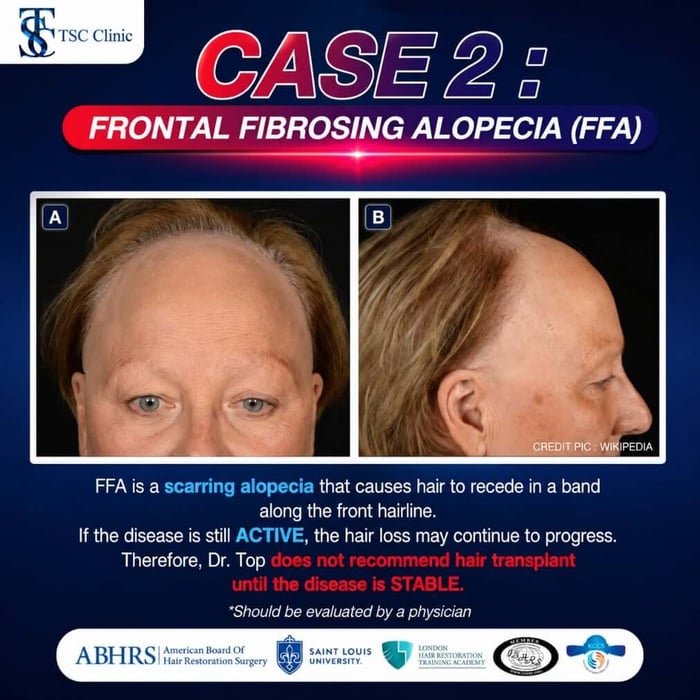
This is a hair loss condition caused by chronic inflammation of the scalp, leading to permanent destruction of hair follicles, making it impossible for new hair to regrow naturally. One of the most noticeable signs is that the frontal hairline gradually recedes over time. If the disease is still in its active stage, the hairline may continue to recede further. In cases like this, Dr. Top does not recommend rushing into a hair transplant until the condition can first be brought under control.
People with hair-pulling behavior Trichotillomania (TTM)
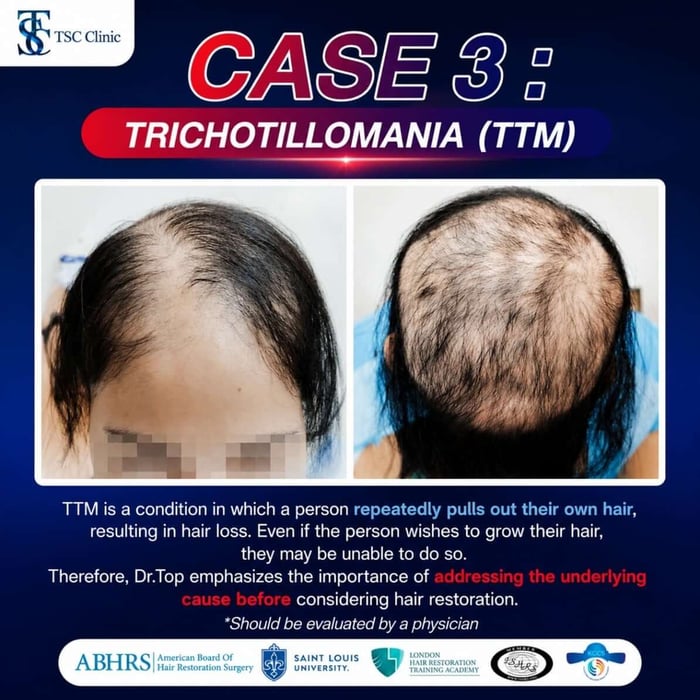
Trichotillomania is a condition in which patients repeatedly pull out their own hair, causing damage to the hair follicles. A hair transplant is not considered an appropriate immediate solution if the patient still has ongoing hair-pulling behavior. Even after transplantation, the newly implanted hair may be pulled out again and become damaged once more. For this reason, Dr. Top prioritizes addressing the root cause before considering a hair transplant.
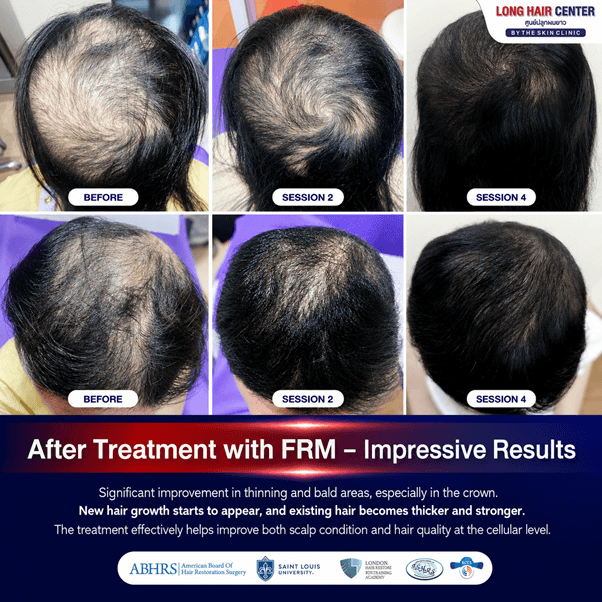 For example, one of Dr. Top’s female patients was evaluated and found to still have living hair follicles. Dr. Top performed scalp restoration using the ALMI NANO FAT technique, resulting in new hair growth in areas where the scalp had previously become visible due to repeated hair pulling. The surrounding hair, which had once appeared thin, also became thicker and stronger. However, this condition should not be left untreated for too long, because if the follicles become permanently damaged, restoring hair in the future will become significantly more difficult.
People who want to lower their hairline beyond what is considered appropriate (Lower Hairline)
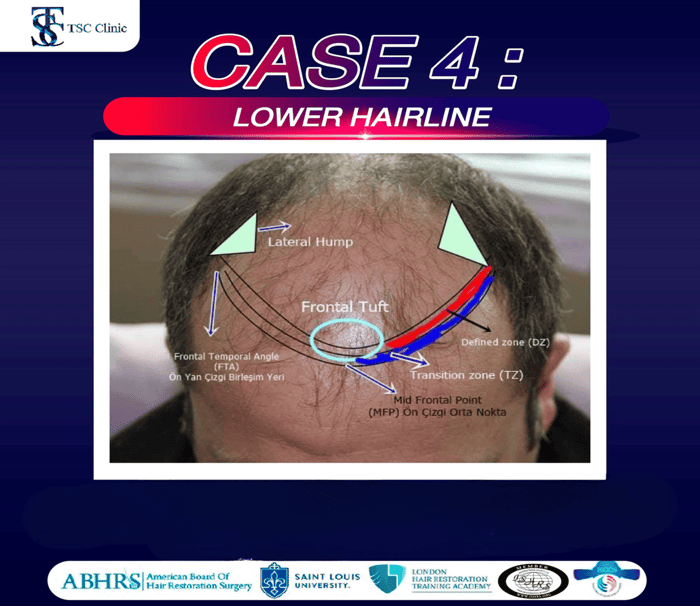
Hairline design is one of the most important steps in hair transplantation because it affects not only the natural appearance but also the balance of the face. Some individuals want a very low hairline to make the forehead appear smaller. However, lowering the hairline too much can make the face look disproportionate and may also require an excessive number of grafts unnecessarily. This can affect the donor area (the back of the scalp), especially in individuals who may experience further hair thinning as they age. For this reason, Dr. Top places great importance on designing a hairline that suits each person’s facial structure and available hair resources, in order to achieve the most natural-looking results, rather than simply lowering the hairline based solely on the patient’s preference.
People who expect 100% guaranteed results
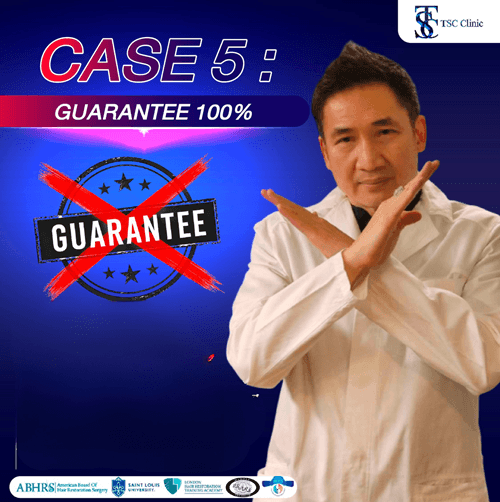
Dr. Top does not accept cases that demand “100% guaranteed results” because, medically, no doctor can guarantee permanent or 100% successful results. Hair transplant outcomes depend on many factors, including genetics, post-operative care, future progression of hair loss, and each individual’s biological response to the procedure. Dr. Top’s principle in hair transplantation is to use the fewest grafts possible while creating the best long-term outcome for the patient. This is because hair resources are limited, and once grafts are extracted, they can never grow back again in the original donor area.
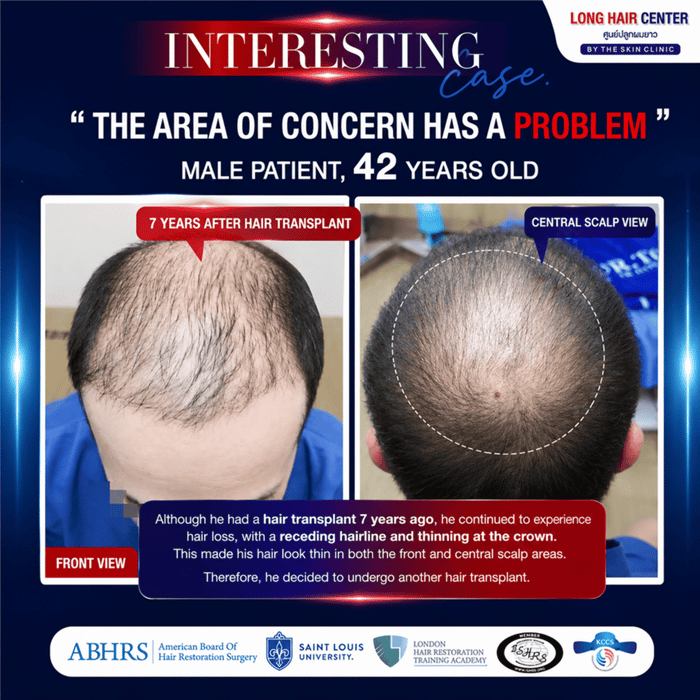
A hair transplant is not the answer to every hair problem. Even after undergoing a hair transplant, continuous hair care is still necessary in order to slow down the loss of existing hair and maintain long-lasting results after the procedure. If you are currently dealing with hair loss or thinning hair, the most important thing is to identify the true cause of the problem so the treatment plan can be designed appropriately. In some cases, restoring or treating the root cause may be a more suitable solution than rushing into a hair transplant.
Don't wait any longer! Schedule your free consultation with our experts today!