Table of Contents
- What Are Hair Grafts?
- Common Misconceptions About Hair Transplantation.
- How Many Grafts Are Needed for a Hair Transplant? Factors Affecting Hair Graft Estimation
- Donor Hair Availability and Its Impact on Hair Transplantation
- Assessing the Target Area for Hair Transplantation
- Potential Future Hair Loss
- Determining the Optimal Amount of Hair Grafts for Transplantation
- The Importance of Choosing the Right Clinic
- Conclusion
- Don't wait any longer! Schedule your free consultation with our experts today!
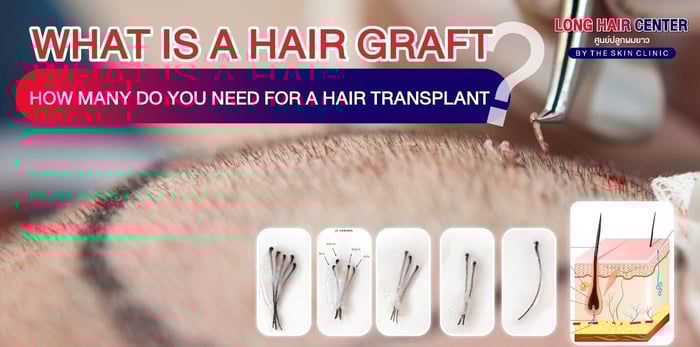
If you are researching hair transplantation, you have likely encountered the term “hair graft” frequently. In addition to determining the causes of hair thinning and baldness, an important preliminary step before undergoing a hair transplantation is assessing the number of grafts needed. What exactly is a hair graft, and how many are required for a successful hair transplantation? Let us explore the concept of hair grafts from various perspectives with which you may not be familiar.
What Are Hair Grafts?
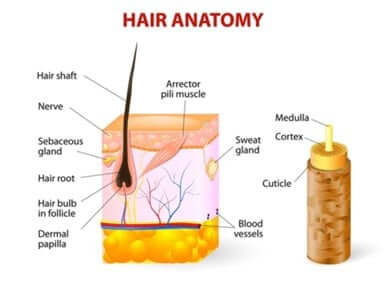
A hair graft is a small piece of tissue containing one to four hair follicles, along with sebaceous glands, nerves, and a small amount of surrounding skin. These grafts are harvested from the donor area, typically the back or sides of the head where hair is genetically resistant to balding, and then transplanted to the recipient area.
Hair grafts are the fundamental building blocks of a hair transplant procedure. The number of grafts needed for a successful transplant depends on several factors, including the extent of hair loss, the desired density, and the characteristics of the patient's hair.
Some people might wonder why each clinic evaluates the number of hair grafts differently. As previously mentioned, the number of grafts denotes the number of clusters of hair, not the number of hairs. It is contingent upon how each clinic defines the term ‘graft’. When consulting with a surgeon, it is imperative to clarify whether the term ‘graft’ pertains to clusters of hair or hairs. For example, if 2,000 grafts are used and each graft contains 2 hairs, the total number of hairs following the transplant would be approximately 4,000.
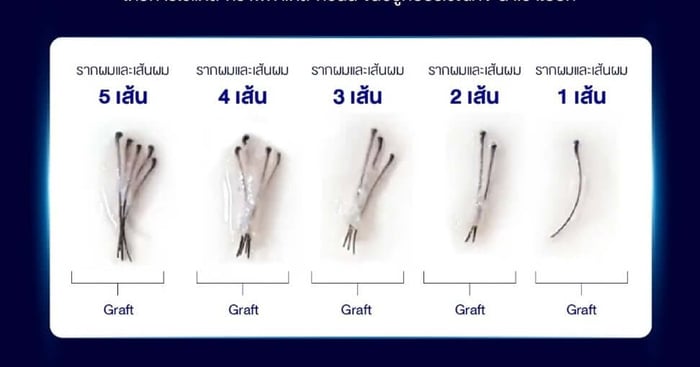
Another consideration is that certain clinics may report an exceptionally high number of grafts in the thousands, which may not accurately represent the number of hair clusters but rather the number of hairs, divided to increase the perceived quantity. This may result in an overall thinner appearance. Therefore, before deciding on a hair transplantation, it is essential to ensure a comprehensive understanding of these details.
Common Misconceptions About Hair Transplantation.
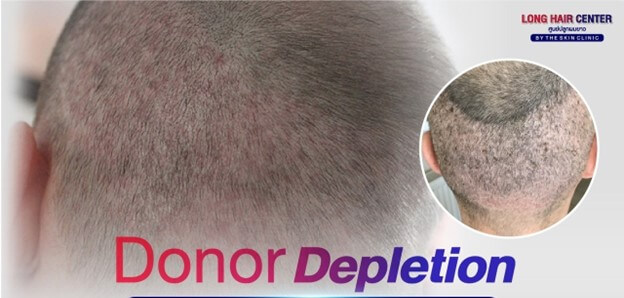
Many people still misunderstand hair transplantation, believing that once hair is relocated, it can regrow, allowing for unlimited transplants to increase density as desired. However, this is not the case. The number of hair follicles on a person’s scalp is finite; there is no natural regrowth of follicles that have already been utilized for transplantation. Hair grafts are thus considered a valuable resource. It is essential to understand that a hair transplant involves relocating hair follicle cells from the back of the scalp, referred to as the donor area, to the area in need of restoration. Hair in this donor area tends to be stronger and less sensitive to DHT hormones, which are associated with hair loss and balding. Due to the “limited availability of hair follicles,” a specialist carefully selects the healthiest grafts and takes all necessary precautions throughout the transplant procedure to protect them from damage, ensuring optimal growth and long-term results.
How Many Grafts Are Needed for a Hair Transplant? Factors Affecting Hair Graft Estimation

A hair graft evaluation should exclusively be performed by qualified surgeons, as the number of grafts required depends on various factors, including hair condition, hair density, age, health, and the patient’s objectives. The specialist must plan the graft usage carefully, ensuring enough hair remains in the donor area to avoid an overly thin appearance. Key factors considered in this evaluation include:
Donor Hair Availability and Its Impact on Hair Transplantation
Donor hair availability is a critical factor in determining the success of a hair transplant procedure. The donor area, typically located at the back of the scalp, provides the hair follicles that are transplanted to the recipient area. Individual variations in donor hair characteristics significantly influence the outcome of the transplant. Both the quality and quantity of donor hair must be carefully assessed
Assessing the Target Area for Hair Transplantation
A comprehensive assessment of the target area for hair transplantation is crucial for determining the appropriate number of grafts and achieving optimal results. The extent of hair loss and the desired outcome vary significantly among individuals, necessitating a personalized approach
Potential Future Hair Loss
While the hair transplanted during the procedure remains permanent, hair in other areas may continue to experience hair loss. A graft assessment considers not only the immediate coverage of the transplant area but also long-term planning. This is especially crucial for patients with limited donor hair or hereditary thinning, who may require additional transplants in the future for newly affected areas. Therefore, the surgeon does not utilize all available donor hair in a single session; instead, a portion is reserved for potential future needs.
Determining the Optimal Amount of Hair Grafts for Transplantation
The number of hair grafts used in a transplant procedure is contingent upon the availability of donor hair that can be safely extracted and transplanted. It's crucial to strike a balance between the donor supply and the area requiring treatment to meet the patient's expectations.
An inaccurate assessment of the graft quantity can have significant implications for both the cost of the procedure and the final outcome. If an insufficient number of grafts are used, the results may not meet the patient's expectations, leading to disappointment and potentially requiring further procedures to achieve the desired outcome.
It's important to recognize that hair follicle extraction is a permanent process. Once grafts are extracted from the donor area, they cannot be returned to their original location. Therefore, a thorough evaluation and careful planning are necessary to ensure an adequate donor supply for the initial procedure and any potential future procedures.
The Importance of Choosing the Right Clinic
Choosing a reputable hair transplant clinic with experienced surgeons is crucial for a successful outcome. The clinic should have a proven track record, utilize advanced techniques, and prioritize patient safety and satisfaction.
Researching different clinics, reading patient testimonials, and comparing prices can help you make an informed decision. It's also important to ensure that the clinic is accredited by recognized organizations and adheres to strict safety standards.
Conclusion
Understanding the concept of hair grafts and the factors that influence the number needed for a hair transplant is essential for anyone considering this procedure. Consulting with a qualified hair transplant surgeon is crucial for determining the appropriate number of grafts and developing a personalized treatment plan that meets your individual needs and goals. By choosing a reputable clinic and experienced surgeon, you can increase your chances of achieving a successful and satisfying hair transplant outcome.