Table of contents
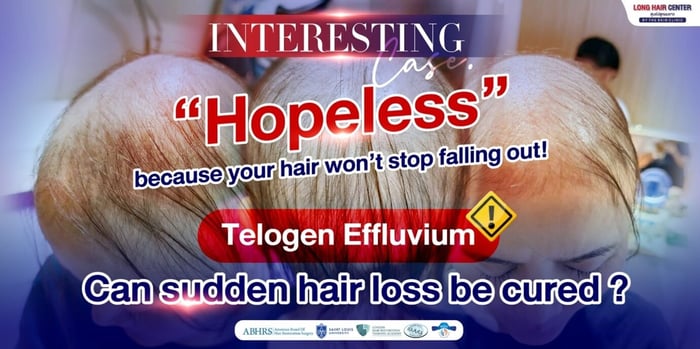
“Hopeless” because your hair won’t stop falling out! Can sudden hair loss be cured? If you’re struggling with sudden hair loss and feeling hopeless as your hair keeps falling and thinning all over your scalp, you might wonder: Can this condition be treated? Will my hair ever grow back? This article will help you understand the causes and treatment options, so you can discover new hope for restoring your hair health and regain your confidence once again.
What is Telogen Effluvium?
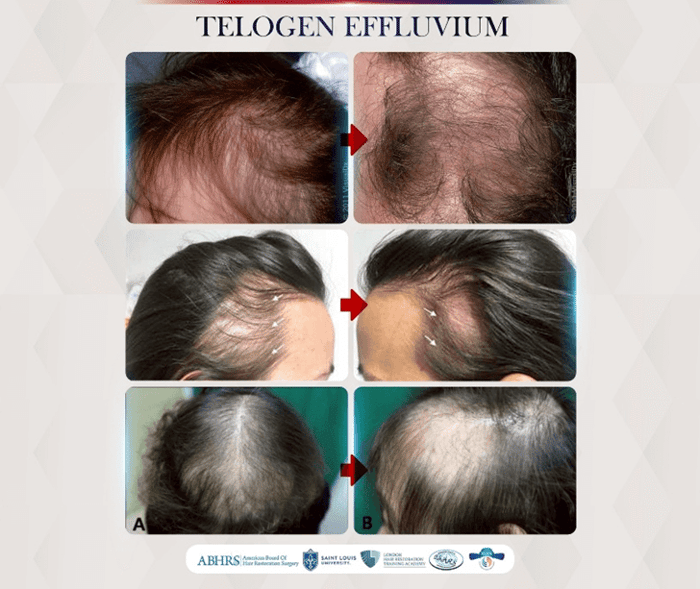
- Acute Telogen Effluvium: Occurs within a period of no more than six months. It usually presents with excessive hair shedding, especially while combing, washing, or even gently running your fingers through your hair, a large amount of hair may come out. Some people may notice overall thinning across the scalp without wounds or inflammation. This condition typically occurs within 2–3 months after experiencing physical or emotional trauma, such as major illness, severe stress, or childbirth. Although it may sound concerning, this condition can recover if properly managed and treated at the root cause.
- Chronic Telogen Effluvium: more than six months. Continuous hair shedding that persists longer than six months is often found in middle-aged women. Hair tends to fall diffusely all over the scalp but does not cause patchy baldness. Patients often feel their hair is gradually thinning, especially at the crown or along the hair part. The condition is not severe enough to cause complete baldness, but it can affect confidence in the long term if not properly diagnosed and treated.
Can sudden hair loss be cured?
Normally, acute Telogen Effluvium can recover on its own without treatment. New hair will begin to grow back within 3–6 months. As for chronic Telogen Effluvium, once the triggering factor is removed, the hair cycle will gradually return to normal. However, if the root cause is not corrected, newly grown hair will continue to fall out. If this condition persists for a long time, hair follicles may eventually atrophy.
Is hair transplantation possible for sudden hair loss?
In cases of sudden hair loss, doctors generally do not recommend hair transplantation, as hair still has the potential to regrow naturally, it simply takes time. If faster regrowth is desired, treatments focus on stimulating and strengthening hair follicles and improving blood circulation to the scalp. Examples include the use of Minoxidil, follicle-revitalizing treatments, or platelet-rich plasma (PRP) injections, combined with lifestyle and health management to reduce factors contributing to sudden hair loss.In cases of sudden hair loss, doctors generally do not recommend hair transplantation, as hair still has the potential to regrow naturally, it simply takes time. If faster regrowth is desired, treatments focus on stimulating and strengthening hair follicles and improving blood circulation to the scalp. Examples include the use of Minoxidil, follicle-revitalizing treatments, or platelet-rich plasma (PRP) injections, combined with lifestyle and health management to reduce factors contributing to sudden hair loss.
Case study: A female patient’s recovery from sudden hair loss
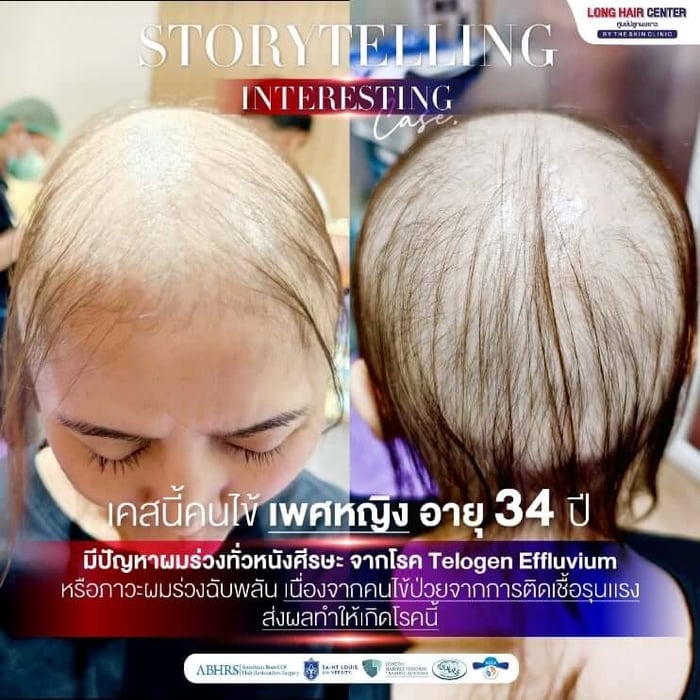
A 34-year-old female patient experienced diffuse hair loss across the scalp due to sudden hair loss following a severe infection. The hair shedding appeared rapidly and extensively. The first and most important step was a thorough investigation of the cause, including checking for vitamin deficiencies and screening for autoimmune diseases (SLE) and thyroid disorders, since identifying the true cause is crucial before starting treatment. In this case, the patient still had some thin hair remaining. Dr. Top applied a combination technique, stimulating hair follicles using the patient’s own fat (ALMI Nanofat) along with radiofrequency microneedling technology (FRM Anti Hair-Loss).
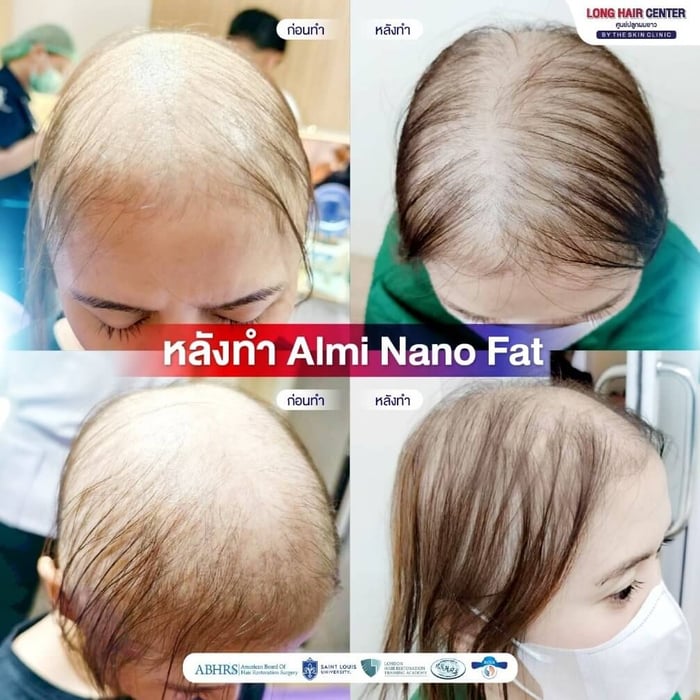
Dr. Top began treatment with ALMI Nanofat to restore the strength of skin cells in areas with hair loss and stimulate the remaining hair follicles to recover, helping new hair grow more effectively. After the ALMI Nanofat procedure, it was observed that the hair appeared thicker, and areas of the scalp that previously looked shiny began to show new hair growth. To further enhance the recovery process, FRM Anti Hair-Loss was applied, a treatment that stimulates hair follicles at the cellular level, restores follicle strength, and improves blood circulation, helping new hair become stronger. However, treatment must continue consistently to maintain and prolong the positive results over the long term.
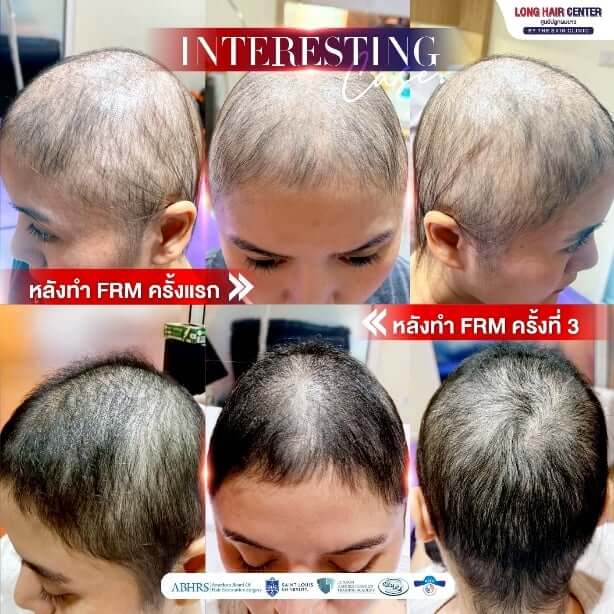
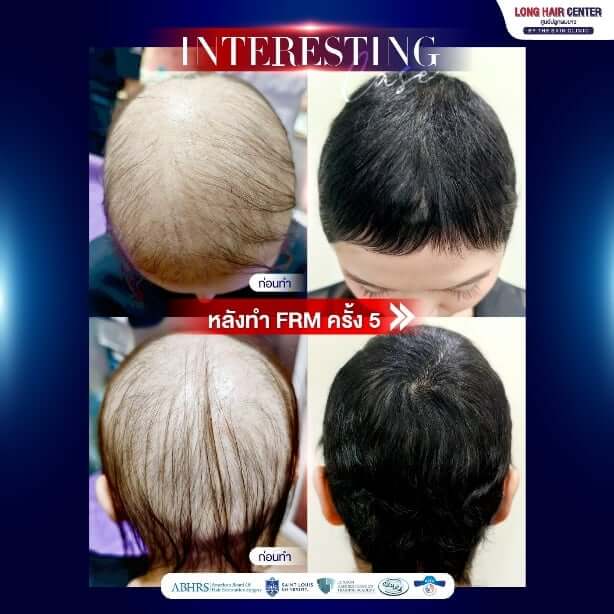
Don’t wait until hopelessness turns into irreversible damage! Ignoring the problem can cause your hair follicles to weaken and become less responsive to treatment. If you’re experiencing unusual hair loss or suspect that you may have sudden hair loss (Telogen Effluvium), it’s recommended that you consult the specialist team at THE SKIN CLINIC for a thorough diagnosis and a personalized restoration plan. Because “the sooner you know, the faster you can recover”, and you can regain your confidence once again.