Table of contents
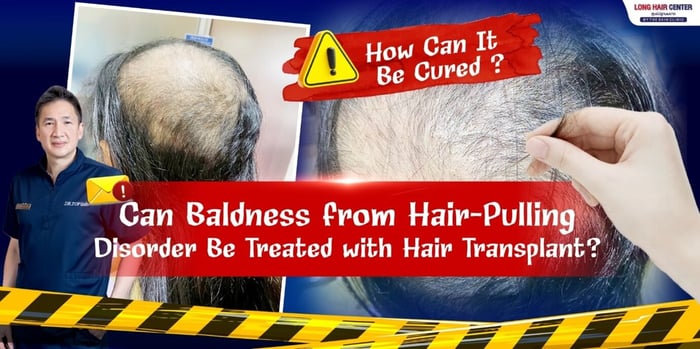
- Hair-pulling disorder (Trichotillomania) is a mental condition that causes individuals to repeatedly pull out their own hair, either consciously or unconsciously. Pulling hair often brings a sense of relief or comfort. If this behavior continues over a long period, it can lead to patchy hair thinning and damage to both hair and scalp. The pattern of hair loss varies from person to person and does not follow a specific form. Some may have multiple small patches of missing hair, while others may lose hair almost across the entire scalp.
After pulling hair out, will it grow back as before?
- New hair that grows after being pulled out is often finer, weaker, and thinner than before. If the same area is repeatedly pulled, causing inflammation or scarring on the scalp, the hair follicles may be permanently damaged, preventing hair from growing back and eventually leading to baldness.
Can people with hair loss from hair-pulling disorder undergo a hair transplant?
- In cases where hair pulling has caused scarring and destroyed hair follicles, doctors may consider a hair transplant to restore areas where hair no longer grows. However, in some cases of patchy hair loss from frequent hair pulling, there may not be enough donor hair for a transplant. Hair transplantation is not the only solution; there are alternative treatments that can strengthen hair follicles and stimulate new hair growth.
Case Study: A Solution for Those Struggling with Hair-Pulling Disorder
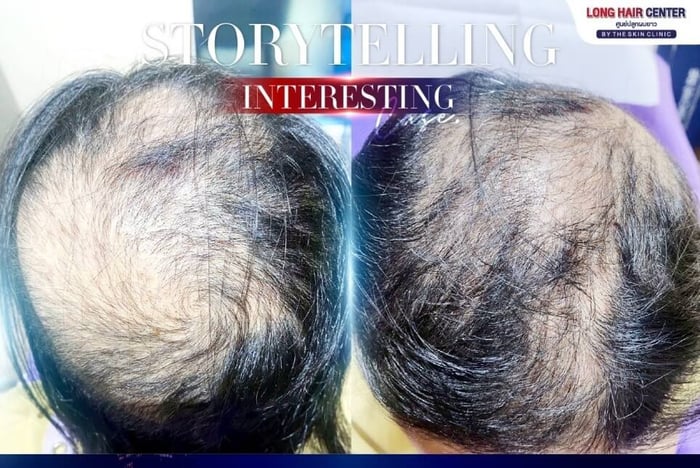
- A 34-year-old female patient suffered from hair-pulling disorder, resulting in patchy hair loss and bald spots, which significantly affected her daily life. The first step was to check whether her hair follicles were dead. In this case, Dr. Top used AI Scan to assess the hair condition and checked for deficiencies in nutrients such as iron, biotin, and folic acid. Identifying the underlying causes of hair problems helps in planning targeted treatment. Fortunately, the patient still had some fine hair remaining. Dr. Top strongly advised against hair transplantation, as stimulating the existing fine hair could make it grow stronger naturally.
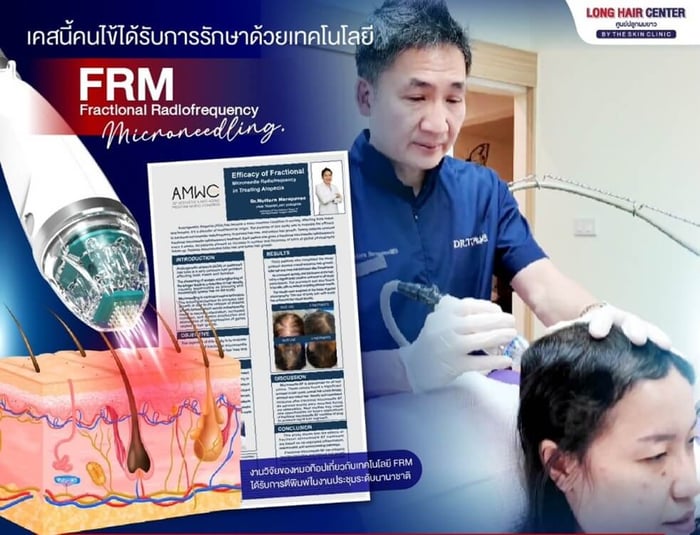
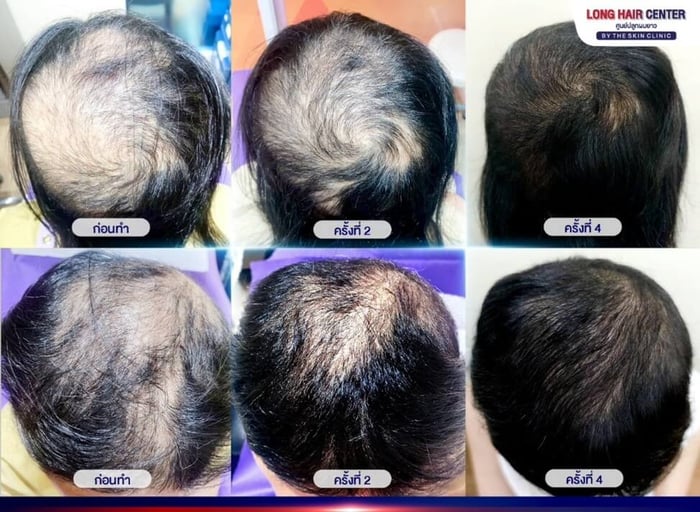
- The patient was treated using FRM (Fractional Radiofrequency Microneedling), a technology that delivers radiofrequency energy to strengthen hair follicles. Tiny needles deliver energy down to the follicle cells, stimulating hair regrowth in areas previously affected by pulling. The newly grown hair became thicker and stronger, with noticeable improvement in a short time. After just four FRM sessions, the patient showed significant scalp and follicle regeneration. Continued FRM treatment is recommended for more noticeable results, and in some cases, combining it with ALMI Nano Fat therapy may further strengthen new hair growth and slow down the shedding of existing hair.
- If you or someone close to you exhibits hair-pulling behavior leading to hair thinning, it is important to consult a specialist as soon as possible. The longer it is left untreated, the greater the risk that hair follicles may be permanently damaged, preventing regrowth. Early treatment can help strengthen hair follicles, reduce hair loss, and effectively stimulate new hair growth. For personalized guidance, you can schedule a consultation at THE SKIN CLINIC to develop a safe and suitable treatment plan tailored for you.