But in this article, we’ll guide you through everything: the different Hair characteristics, how to properly care for your Hair roots to maintain Healthy hair, how many Hair strands we normally have, and how much daily shedding is considered normal versus abnormal. We’ll also highlight warning signs of dangerous hair loss and explain when it’s time to consult specialists at a Hair transplant clinic for professional advice and proper Hair transplant treatment.
Structure and Characteristics of Hair
Before exploring proper Hair care, the first thing we should understand is the basic structure of hair. Regardless of Hair characteristics straight, wavy, or Curly hair all hair shares the same fundamental structure. Each Hair strand is composed of three key parts:
Hair Root – Located beneath the skin inside the follicle, this is the origin of new hair growth. If the Hair roots are weak, hair becomes fragile and falls out easily.
Hair Shaft – The visible part of the hair, made primarily of keratin protein.
Sebaceous Gland – Produces natural oils that coat the hair, keeping it moisturized and shiny.
In addition to structure, Hair characteristics vary among individuals depending on genetics and ethnicity, and can be broadly categorized as follows:
Straight hair – Strands align evenly, appear shiny, but tend to become oily quickly.
Wavy hair – Slightly curved strands that create volume but are prone to frizz.
Curly hair – Clearly defined curls, often drier than other types and requiring special Hair care.
These differences in Hair characteristics mean that Hair care methods should also vary. For example, straight hair benefits from shampoos that control excess oil, while Curly hair requires products that boost hydration and protect against dryness and split ends.
Understanding the structure and characteristics of Hair strands is a crucial foundation for maintaining Healthy hair that stays with us for years to come.
How many strands of hair do we actually have?
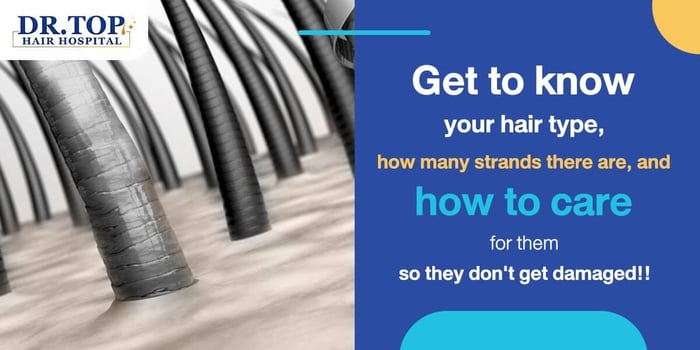
One of the most common questions people ask is: How many strands of hair do we have? The answer is that, on average, a person has around 100,000–150,000 Hair strands. This number varies depending on genetics and ethnicity. For example, people with blonde hair often have more Hair strands than those with darker hair, while redheads tend to have the fewest strands but their hair is usually denser and thicker.
Each Hair strand also follows a distinct life cycle:
Anagen (Growth phase): The stage where the hair continuously grows longer.
Catagen (Transition phase): The hair stops growing and prepares to shed.
Telogen (Shedding phase): Old hair falls out to make way for new Hair strands to grow.
A common misconception is that people with long hair shed more than those with short hair. In reality, hair loss has nothing to do with hair length but depends on the strength of the Hair roots. Weak Hair roots cause shedding regardless of whether the Hair strands are long or short.
By understanding the number and life cycle of Hair strands, it becomes clear why proper Hair care from root to tip is essential. Every strand has its own lifespan and needs consistent, suitable Hair care to remain Healthy hair for as long as possible.
Factors Affecting Hair Strength
Having Healthy hair is not determined solely by using hair care products. Multiple factors influence the strength of Hair strands, from the Hair roots all the way to the tips.
Genetics and hormones – These play a crucial role in determining whether your hair is straight, wavy, or Curly hair, as well as your likelihood of experiencing hair thinning or loss. In particular, the male hormone DHT weakens the Hair roots, making them prone to shedding.
Diet and nutrition – Hair requires protein, iron, B vitamins, and zinc. Deficiency in these nutrients leads to brittle, fragile Hair strands that break and shed faster than normal.
Hair care behaviors – Frequent coloring, straightening, perming, or excessive heat styling damages the structure of Hair strands, causing dryness, split ends, and weakness.
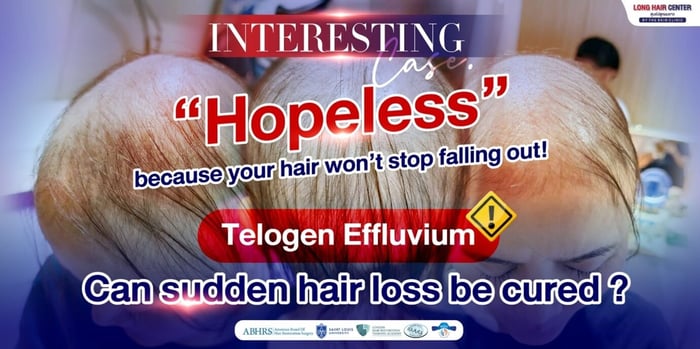
Overall health – Stress, insufficient sleep, and certain illnesses can disrupt the growth cycle, accelerating hair loss.
Age and environment – These are unavoidable factors. As we age, the hair growth cycle shortens, and Hair strands become thinner and finer. Pollution and sun exposure also contribute to dryness and damage.
According to research by the American Academy of Dermatology (AAD), aging slows hair growth, and some follicles stop producing new Hair strands, leading to thinning hair and more gray hair. A study published in the International Journal of Trichology (2023, NIH) further confirmed that aging reduces hair diameter, shortens the growth cycle, and weakens pigment-producing cells, resulting in graying hair.
By understanding these factors, we can adapt our Hair care routines more effectively nourishing from within through a nutrient-rich diet while protecting externally against heat and environmental stress. This holistic approach helps maintain strong, Healthy hair that lasts longer.
How to Take Care of Your Hair for Lasting Health
Having Healthy hair is not out of reach if you understand the right principles of Hair care and follow them consistently. Proper Hair care not only makes hair look shiny but also prevents hair loss and strengthens the Hair roots.
Choosing shampoo and conditioner
Always pick products that suit your Hair characteristics. For oily hair, use oil-control formulas. For dry, chemically treated, or colored hair, choose nourishing and moisturizing formulas. Using the wrong type can disrupt balance and lead to damage.
Washing your hair
Hair should not be washed too often or too little. In general, washing 2–3 times per week is ideal. Overwashing may dry out Hair strands and scalp, while washing too infrequently can clog the Hair roots with dirt and oil.
Hair nourishment
Weekly hair masks (1–2 times) or nourishing oils such as argan, avocado, or coconut oil can coat the Hair strands, reduce split ends, and restore shine.
Nutrition and diet
Diet plays a crucial role because Hair strands require protein, iron, B vitamins, and zinc to produce keratin the main structural component of hair. Eating a balanced diet strengthens Hair roots and Hair strands from the inside out.
Avoiding damaging behaviors
Excessive coloring, straightening, perming, or heat styling damages the structure of Hair strands, making them dry, brittle, and prone to breakage.
For those with Curly hair or wavy hair, opt for moisture-rich products, avoid rough towel-drying, and use wide-tooth combs on damp hair to reduce shedding.
Additionally, regular scalp massages stimulate blood circulation, allowing more nutrients to reach the Hair roots, which in turn strengthens them and supports long-term Healthy hair.
Tips for Achieving Healthy Hair!!
Beyond choosing the right Hair care methods, there are simple daily habits that can make your Hair strands and Hair roots even stronger.
Stay hydrated
Drink at least 6–8 glasses of water per day. Proper hydration keeps your body and scalp moisturized, helping Hair strands stay shiny and less prone to dryness.
Get enough rest
Adults should sleep at least 7–8 hours a night. Adequate rest supports hormonal balance and allows the body to recover, enabling Hair roots to function at their best and reducing excessive hair shedding.
Manage stress
Stress whether from work or daily life is a major factor that directly affects hair growth. Chronic stress can disrupt the natural growth cycle of Hair strands and may eventually lead to abnormal hair loss if left unmanaged.
Choose organic products
Opt for organic or chemical-free products that avoid harsh ingredients such as sulfates and parabens. Gentle formulas reduce scalp irritation and help strengthen Hair strands naturally.
By combining these tips with consistent Hair care, you can maintain truly Healthy hair that looks and feels strong every day.
When Should You Consult a Hair Transplant Clinic?
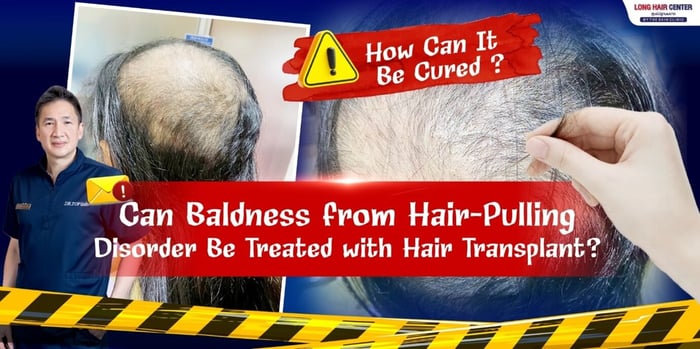
Mild hair loss is normal, but if you start noticing warning signs such as patchy hair loss, thinning hair, or a receding hairline with clearly visible bald areas, these may indicate conditions like alopecia or early-stage baldness that require immediate attention. Visiting a Hair transplant clinic allows experienced doctors to accurately assess the cause of your Hair strands issues and recommend proper treatment both before and after transplantation. Causes may include genetics, hormones, body imbalances, or underlying diseases, which cannot always be solved by regular Hair care alone.
In some cases, doctors may recommend advanced Hair transplant techniques, which restore confidence and provide more effective, long-term results compared to temporary solutions like hair extensions, which can sometimes worsen hair loss. Consulting with experienced specialists ensures safer, more visible results and reduces long-term risks.
Therefore, if you notice abnormal hair loss, consult professionals at The Skin Clinic. Our internationally certified American Board doctors, with over 20 years of real experience, are here to guide you. Don’t wait until the problem becomes harder to treat starting proper Hair care today is an investment in your confidence for the future.