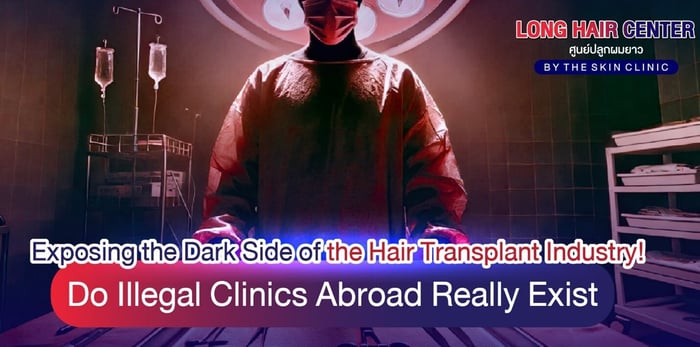
Unveiling the hidden truths that many may not know about hair transplants overseas! These illegal clinics often lure people in with unbelievably low prices, but the risks involved are extremely high. From the use of substandard equipment and unqualified personnel to disastrous results that could leave patients worse off than before! In this article, we will take you deep into the traps of fraudulent clinics, how to avoid them, and how to choose a safe and high-quality hair transplant clinic, ensuring that you can make a confident decision about your hair restoration journey.
Table of contents
What is the Black Market? Do Illegal Hair Transplant Clinics Abroad Really Exist?
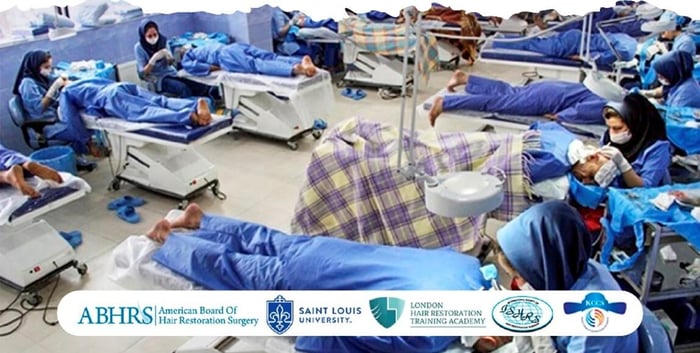
The "Black Market" refers to illegal hair transplant clinics that operate without a license or perform hair transplants using individuals who are not specialized hair restoration surgeons. These clinics often offer unbelievably low prices, use substandard or inappropriate equipment, and produce unnatural results. Overharvesting grafts can lead to excessive hair loss, and patients may even lose their existing hair. Additionally, there is a high risk of infections, which could even be life-threatening. Currently, illegal hair transplant clinics have emerged in many countries. The International Society of Hair Restoration Surgery (ISHRS) has recognized the growing issue of fraudulent and unlicensed clinics. The organization actively campaigns to raise consumer awareness, emphasizing that hair transplants should only be performed by qualified and licensed medical professionals.
6 Risks of Unlicensed Hair Transplant Clinic
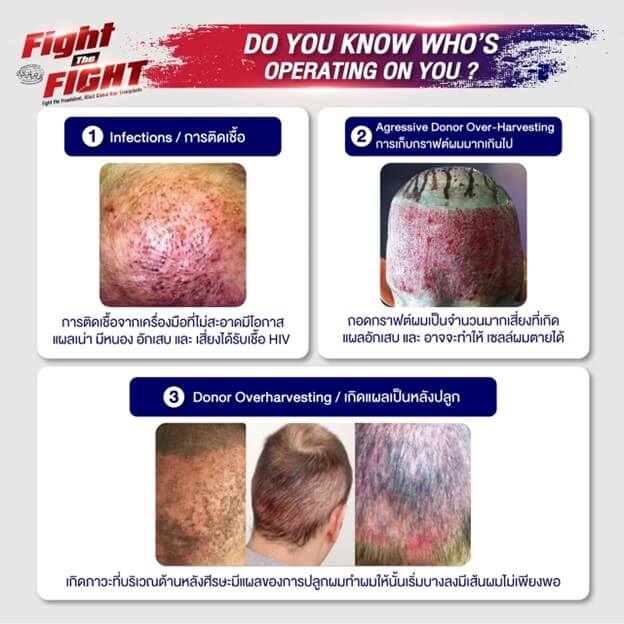
1. Infection
Using unclean instruments increases the risk of infection, leading to wound necrosis, pus formation, inflammation, and even exposure to HIV. Unqualified personnel may not know the correct sterilization procedures or maintain hygiene standards as well as licensed medical professionals.
2. Overharvesting of Hair Grafts
Excessive extraction of hair grafts can cause severe inflammation and may lead to the death of hair follicle cells. Hair transplantation involves relocating hair follicle cells from the back of the head to the desired area, but no new hair is generated. Once the grafts are depleted, they cannot be replaced, making it essential to use them sparingly while preserving some for future procedures.
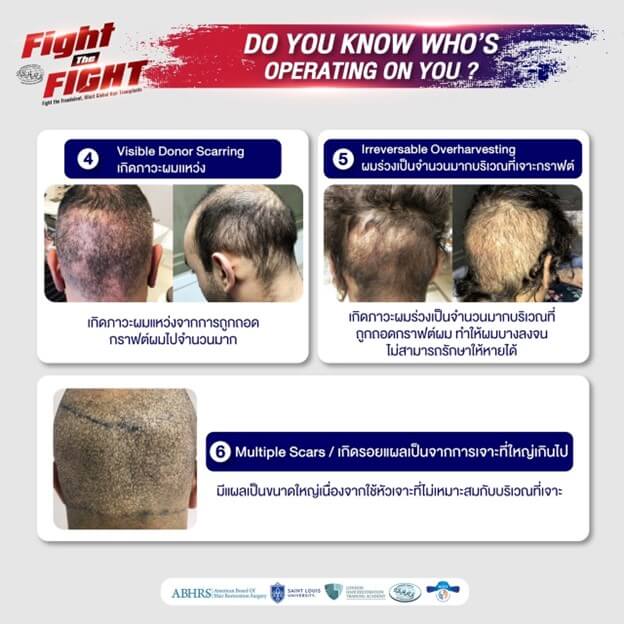
3. Scarring After Transplantation
Hair transplant procedures naturally leave scars, but when performed by unqualified personnel, they can result in noticeable and severe scarring.
4. Patchy Baldness
Excessive graft extraction and lack of expertise in graft placement can result in patchy baldness. The remaining hair may be insufficient to cover the extraction scars, leaving an unnatural appearance.
5. Excessive Hair Shedding at the Donor Site
Overharvesting hair grafts can cause thinning in the donor area, sometimes leading to irreversible hair loss.
6. Large Extraction Scars
Using an improper punch size for graft extraction can result in large scars, making the treated area visibly damaged and unnatural-looking.
How to Avoid Illegal Hair Transplant Clinics
- Verify the Clinic's License: Check if the clinic is licensed by the Ministry of Health or relevant authorities.
- Check the Doctor’s Credentials: The doctor performing the hair transplant must have a verifiable medical license.
- Compare Prices Across Multiple Clinics: Extremely low prices may indicate an unlicensed or illegal clinic.
- Read Reviews from Reliable Sources: Look for reviews on the clinic’s website and other platforms like Google or Facebook. Customer reviews can provide insights into the clinic’s service quality, from consultation and post-procedure care to follow-up support.
How to Choose a Certified Hair Transplant Clinic, What to Look For? Check Carefully Before You Decide!
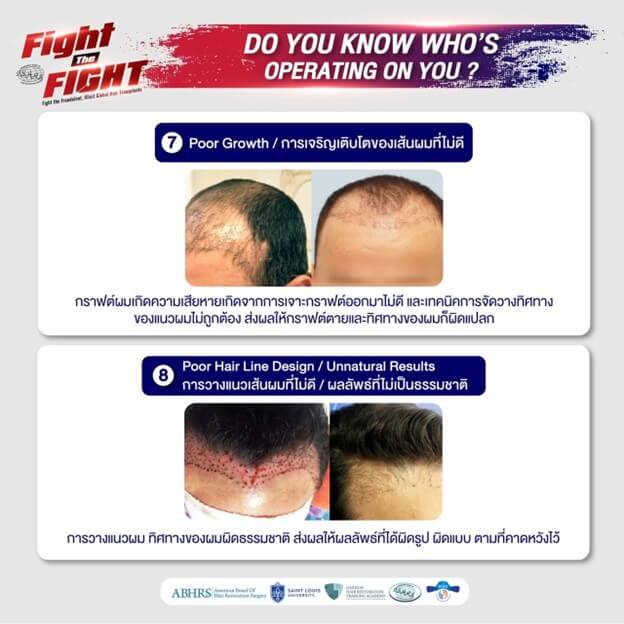
Choosing the right hair transplant clinic is crucial. A wrong choice can lead to infections, scarring, or unsatisfactory hair growth. Consider the following factors before making a decision.
1. Consultation and Hair Transplant Performed by a Specialist
Hair transplantation should only be performed by a qualified hair transplant specialist. Check the doctor's credentials, including their training background, years of experience, and the number of cases handled. Every patient should receive a consultation directly from the hair transplant doctor, not a salesperson, to determine the real cause of hair loss and select the most suitable treatment for each individual.
2. Review the Clinic’s Results and Patient Testimonials
A reputable clinic should have real patient reviews, including photos and video testimonials showing before-and-after results. These reviews reflect the skill and expertise of the doctor. Compare reviews from multiple clinics to make an informed decision. Keep in mind that hair transplant results are never 100% guaranteed, so don’t be misled by unrealistic promises.
3. Offers a Variety of Hair Loss and Baldness Treatments
There are multiple hair transplant techniques available today, such as FUE, DHI, Long Hair FUE, as well as non-surgical hair loss treatments. A clinic that offers various treatment options can create a personalized treatment plan tailored to your specific needs, ensuring the most effective care.
4. Request a Video Recording of Every Step of the Procedure
Before undergoing a hair transplant at any clinic, ask for a video recording of every step of the procedure. This ensures that the person performing the transplant is a licensed doctor and not an unqualified individual. The video serves as proof of the procedure, including graft counting, before-and-after results, and in case of any complications. If a clinic refuses to provide a video, you should carefully reconsider whether to proceed with the treatment.
If you are experiencing hair loss or thinning, consult a hair transplant specialist to receive the most suitable advice for your condition. Don’t be easily swayed by advertisements and tempting offers, hair transplantation is a long-term investment. Choosing the right clinic ensures worthwhile results, safety, and confidence in your treatment.