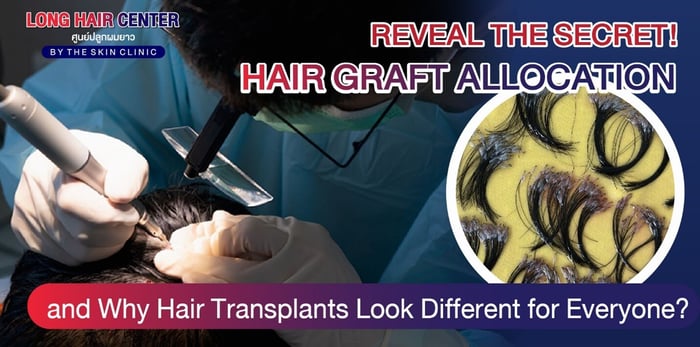
Why do some people’s hair transplants look so natural, as if the hair grew on its own, while others appear less convincing? The secret lies in hair graft allocation, a crucial factor that determines the final outcome and makes hair transplants differ from person to person. In this article, we’ll take a deep dive into the truth about hair grafts, insights you may have never known before!
Table of contents
- How many grafts are needed for each area?
- Can all extracted grafts be used?
- Why aren’t all extracted grafts utilized?
- Why using a large number of grafts may not be the best option?
- Can the number of extracted hair grafts be counted?
- How long can hair grafts survive after being extracted?
- Do hair grafts fully attach to the scalp within 24 hours?
- Do different hair types require different graft allocations?
- The differences between High, Medium, and Low Density
- Why does shock loss occur after a hair transplant?
- What happens if grafts are implanted too deep or too shallow?
How many grafts are needed for each area?
Hair graft allocation varies by area and is not the same for everyone. It depends on the surgeon’s technique and a well-planned approach.
- Frontal area: Approximately 1,400 – 2,200 grafts
- Mid-scalp area: Approximately 2,200 – 3,400 grafts
- Full scalp coverage: Approximately 3,500 – 5,000 grafts
Can all extracted grafts be used?
Extracting hair grafts successfully requires the skill and experience of the surgeon to prevent damage to the hair roots. This ensures that the follicular cells remain intact and are not severed. Hair grafts are the key resource for hair transplantation, and not every extracted graft can be used for transplantation.
Why aren’t all extracted grafts utilized?
Extracting grafts always carries the risk of mistakes, which can cause some grafts to become damaged. For example, if 2,000 grafts are extracted, there may be a loss of approximately 50 – 100 grafts due to process limitations. Examples of imperfect grafts include: grafts without roots, severed grafts, grafts with broken stalks, exposed grafts without protective tissue, grafts with damaged roots. This can result in hair not growing no matter how many times it is transplanted. Therefore, the grafts used must be carefully selected.
Why using a large number of grafts may not be the best option?
Many people mistakenly believe that using the maximum number of grafts in a single hair transplant session will yield the best results. However, in reality, the number of grafts used should be determined through a proper assessment that considers a natural hairline, balanced density, and graft survival rate. Key reasons why more grafts don’t always mean better results:
- Limited donor area: The hair used for transplantation comes from the back of the scalp (donor area), which has a finite supply. Overusing grafts in one session can deplete this area, leaving insufficient hair for future touch-ups or corrections. Excessive graft extraction can also lead to visible donor scarring, causing patchy hair loss.
- More grafts don’t always mean better results: If too many grafts are used without proper placement, the new hair may appear unnaturally dense or grow in the wrong direction, leading to an artificial look.
- Scalp capacity limitations: Implanting too many grafts in the same area can cause overcrowding, reducing blood supply to the grafts. This may lead to poor graft survival and increased failure rates.
- Graft survival matters more than quantity: Overloading the scalp with excessive grafts in one session can stress the scalp, leading to a lower survival rate for the transplanted hair. Ensuring grafts survive is far more important than simply transplanting a high number.
Can the number of extracted hair grafts be counted?
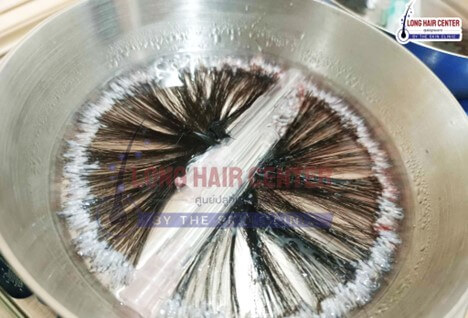
Recording a video to count the number of extracted hair grafts is a feasible practice that enhances transparency during the hair transplantation process. Once the grafts are removed from the scalp, the medical team carefully screens and counts the usable grafts for transplantation. By recording the procedure in real time, patients can see an accurate overview of the extracted grafts, ensuring that the number reported by the doctor matches the actual count. This helps build trust and confidence in the procedure.

How long can hair grafts survive after being extracted?
The survival time of hair grafts depends on several factors. Generally, hair grafts can survive for about 6–8 hours after extraction if they are properly preserved. Careful handling is essential to ensure that the follicular cells remain alive and can be effectively transplanted. During the hair transplant procedure, grafts are stored in a special solution that helps maintain moisture and preserve cell quality, ensuring the best possible outcome for the transplant.
Do hair grafts fully attach to the scalp within 24 hours?
It takes about 2–4 weeks after the transplant for the hair roots to properly attach to the scalp. During the initial phase, some of the transplanted hair may shed, which is a normal process as the hair roots enter a resting phase. New hair growth typically begins 3–4 months after the procedure. The hair will gradually grow back in a natural manner, with full results visible in about 6-12 months. However, the growth timeline can vary from person to person, depending on factors such as genetics and post-transplant care.
Do different hair types require different graft allocations?
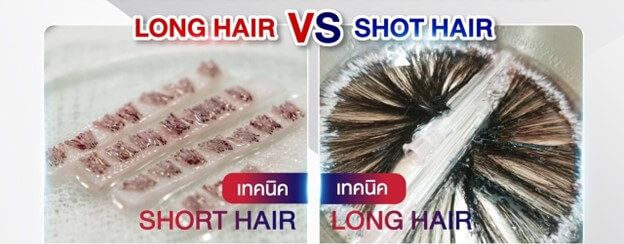
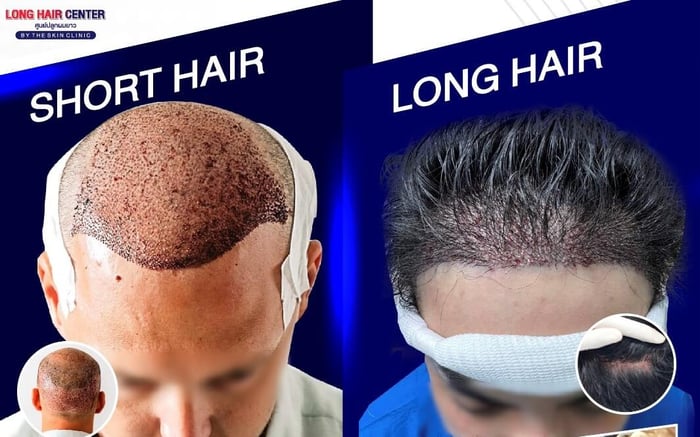
Whether the hair is straight or curly can affect the hair transplant process in some cases. Although the basic techniques used for hair transplantation are the same, the characteristics of the hair may require adjustments to the technique.
- For curly hair, choosing grafts or the method of implantation may require careful placement, adjusting the depth of the grafts or the position to ensure the new hair grows in a way that blends naturally with the existing curls.
- For straight hair, the focus is on placing the grafts to create a natural hairline. There may be less concern about the curvature of the hair, as straight hair naturally follows a smoother growth pattern.
Although the choice of grafts for both types of hair isn’t significantly different, considering the hair type is crucial to achieving a more aesthetically pleasing result that suits the patient’s natural appearance.
The differences between High, Medium, and Low Density
High Density
This method involves transplanting a large number of grafts in each area, ideal for those who want the thickest result. It’s suitable for individuals with significant hair loss or those seeking a result that closely resembles natural hair from all angles. This approach may be more expensive due to the increased number of grafts used.Medium Density
The goal is to make the hair look naturally thicker without being too much or too little. It’s ideal for those with small or moderate thinning areas, aiming for a balanced, natural appearance.Low Density
This method uses fewer grafts compared to the other two. It’s suitable for individuals looking to add volume in specific areas or improve the thickness of hair in targeted spots without seeking a very dense result. The final outcome will be thinner compared to the other two methods, but it can still create the illusion of thicker hair in certain areas.
Choosing the right density depends on the condition of the person’s existing hair and their desired outcome. Consulting with a skilled doctor will provide the best recommendation tailored to each individual's needs.
Why does shock loss occur after a hair transplant?
Shock Loss is the condition of hair loss that occurs after a hair transplant, regardless of the technique used. It typically happens 2 to 8 weeks after the transplant. This loss occurs due to the increased stress placed on each hair follicle beyond its normal state. The stress can result from damage to the hair roots or the surrounding scalp, whether caused by the extraction or implantation process. Shock loss affects around 5% of patients undergoing hair transplants and usually happens to hairs that are already in a resting phase. The trauma caused to the hair can accelerate this process, causing the hair to shed prematurely. This type of hair loss is temporary and not permanent. With proper care and attention, the hair follicles remain alive and healthy, and new hair will begin to grow back gradually within 6–12 months.
What happens if grafts are implanted too deep or too shallow?
Implanting hair grafts too deep or too shallow can lead to undesirable results and cause issues that affect the success of the hair transplant:
- Grafts implanted too deeply
This can prevent the transplanted hair from growing properly, as the hair may not be able to emerge from the skin. Additionally, implanting grafts too deeply may cause wounds or inflammation, slowing down recovery and increasing the risk of infection. - Grafts implanted too shallowly
This can result in poor graft attachment, as the grafts may not secure properly to the surrounding tissue. This can lead to easy hair shedding or poor growth, and the final result may appear unnatural or not as desired.
Hair transplantation is irreversible, once the hair follicles are moved, they cannot return to their original position. If the grafts are damaged during the process, they are permanently lost. Therefore, it is crucial to carefully choose a reputable hair transplant clinic to ensure the best possible results. This will help you achieve a natural-looking outcome, effectively address hair loss issues, and minimize the risk of mistakes during the procedure.