Table of Contents
- DHT and Hair Loss
- Medication After Hair Transplant: Who Needs It?
- Here's a breakdown of two common scenarios:
- Types of Medication
- Alternative Therapies
- Conclusion
- Don't wait any longer! Schedule your free consultation with our experts today!
Many people considering a hair transplant aftercare wonder if they'll need to take medication afterward, and if so, for how long. It's a common misconception that a hair transplant is a one-time solution to hair loss. In reality, a hair transplant alone may not be enough to maintain long-term results.
To understand why, let's explore the factors involved in hair loss and the role of medication in maintaining a successful hair transplant.
DHT and Hair Loss
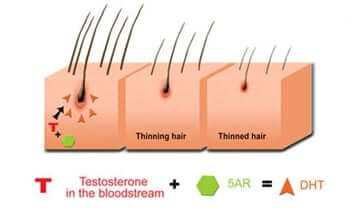
The primary culprit behind male pattern baldness is a hormone called DHT (Dihydrotestosterone). DHT binds to androgen receptors in hair follicles, disrupting the hair growth cycle. This leads to shorter growth phases and longer resting phases. As the resting phase extends, hair follicles shrink, and hair becomes thinner until eventually, the follicle stops producing hair altogether. This process results in hair loss and thinning, ultimately leading to baldness.
Medication After Hair Transplant: Who Needs It?
Medication during a hair transplant aftercare isn't a cure for hair loss. Instead, it helps slow down the progression of hair loss in areas affected by DHT. It's important to note that medication doesn't affect the transplanted hair, which is resistant to DHT.
So, do you need to take medication during a hair transplant aftercare? The answer depends on the individual and the reason for the transplant. Factors to consider include the extent of hair loss, overall health, family history, and environmental factors.
Here's a breakdown of two common scenarios:
1. Hair Transplant for Genetic Hair Loss
Hair follicles transplanted from the back of the head are resistant to DHT. This means that even without medication, the transplanted hair will continue to grow.
- Partial Hair Loss: If you've had a transplant to address partial hair loss and are still experiencing thinning, medication may be necessary to prevent further loss and maintain the results of the transplant.
- Extensive Hair Loss: If you've had a transplant to address extensive hair loss where the entire balding area is covered with transplanted hair, medication may not be necessary as the transplanted hair is DHT-resistant.
2. Hair Transplant for Cosmetic Reasons
Hair transplants aren't just for genetic hair loss. They can also address cosmetic concerns like receding hairlines or scars. In these cases, where hair loss isn't caused by DHT, long-term medication may not be required.
Types of Medication

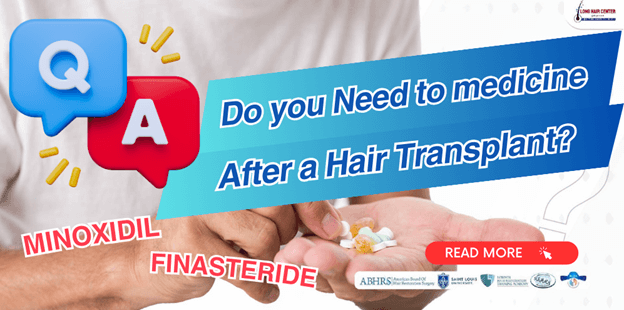
While a hair transplant addresses hair loss, it doesn't eliminate the underlying cause in cases of genetic hair loss. Medication can help by reducing DHT levels and slowing down hair loss. Commonly used medications include:
1. Finasteride: This medication is for men only and works by inhibiting DHT production, reducing hair loss, and promoting hair regrowth.
2. Minoxidil: This medication works by dilating blood vessels in the scalp, improving blood flow, and stimulating hair growth. It can be used by both men and women.
Alternative Therapies
Hair transplant surgery utilizes your existing hair follicles, which are a finite resource. If hair loss continues, future transplants may not be possible. In addition to medication, alternative therapies can help slow down hair loss and complement a hair transplant:
- Growth Factor Injections: Nourish the scalp and strengthen hair follicles.
- FRM Anti-Hair Loss: Uses radiofrequency waves to stimulate hair growth and increase hair thickness.
- ALMI Nano Fat: Utilizes your own fat to stimulate hair follicles and promote hair growth.
- Regenera Micrograft Hair: Extracts the micrograft from healthy hair follicles and injects them into areas experiencing hair loss.
Conclusion
Taking medication during a hair transplant aftercare isn't always necessary, but it can be crucial in maintaining results, especially in cases of genetic hair loss. The decision to use medication should be made on a case-by-case basis in consultation with a qualified medical professional.
Addressing hair loss requires a long-term approach. A combination of treatments, including medication and alternative therapies, may be necessary to achieve the best outcome. Consult with your doctor to develop a personalized plan that addresses your specific needs and concerns.
Don't wait any longer! Schedule your free consultation with our experts today!
Schedule your consultation.
Book your appointment online or call us today!
Explore our success stories on YouTube