Many people begin to notice their forehead gradually becoming more prominent, forming an M-shaped hairline. If left untreated, the condition may worsen and significantly affect one’s confidence. Hair transplantation is one of the most effective treatment options with visible results. To achieve a natural outcome, a long-term treatment plan is essential, this includes proper graft allocation, hairline design, and ongoing hair care to slow down further hair loss. Let’s explore how an M-shaped hairline can be restored.
Table of Contents
- How to Treat Thinning Hair and an M-Shaped Receding Hairline
- Why Does Hair Transplantation Require a Long-Term Treatment Plan?
- Interesting Case: M-Shaped Hairline Restoration by The Skin Clinic
- Is Hair Transplant the Final Solution? Can It Stop Hair Loss Completely?
How to Treat Thinning Hair and an M-Shaped Receding Hairline
An M-shaped receding hairline: a common early sign of hair thinning, especially in men. This issue can arise from several causes, such as genetics, hormones, stress, or prolonged tight hairstyles. Hair transplantation is one of the effective solutions for this problem. Although the procedure may seem simple due to the relatively small number of grafts required, there are many important details to consider. For example, hairline design must be carefully planned, not too low, and should take into account future hair loss. Graft allocation also requires long-term planning. Hair transplantation involves relocating hair follicle cells from the back of the head, an area where the hair is naturally stronger, less prone to falling out, and resistant to DHT (dihydrotestosterone), a hormone responsible for hereditary hair thinning and loss. Since the number of grafts in this donor area is limited and cannot be replenished once removed, each graft must be used as efficiently as possible to achieve the best long-term results.
Why Does Hair Transplantation Require a Long-Term Treatment Plan?
Before undergoing a hair transplant, it's important to understand the hair growth cycle. The hair growth cycle consists of 4 phases:
- Anagen: This is the active growth phase of hair, lasting the longest, typically around 2 to 6 years.
- Catagen: A short phase where hair stops growing, lasting about 1 to 2 weeks.
- Telogen: Hair remains dormant in this phase for about 2 to 4 months.
- Early Anagen: The beginning of a new growth cycle for a new strand of hair.
Each hair strand goes through 15 to 20 such cycles in its lifetime, with each cycle lasting approximately 2 to 7 years. Because of this, it's difficult to predict how long any given hair will remain. In cases where hair thinning or loss is caused by genetics, it's essential to have a well-planned long-term treatment strategy when considering hair transplantation. This ensures not only the success of the transplant but also the preservation of the existing hair that was not transplanted, allowing it to last as long as possible.
Interesting Case: M-Shaped Hairline Restoration by The Skin Clinic
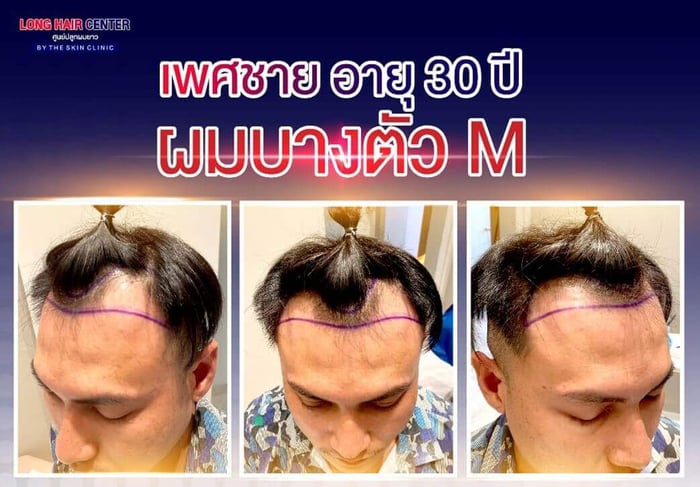
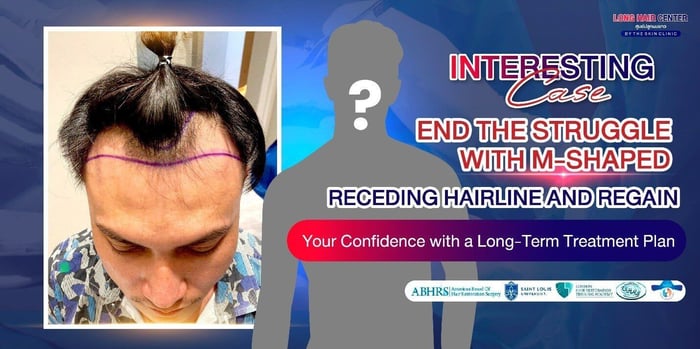
Case example: 30-year-old male with M-shaped receding hairline. this patient represents a classic case of hair thinning in the temple areas, forming a visible M-shaped hairline, while still retaining hair in the center of the forehead. For this type of case, our medical team was able to perform a high-density hair transplant, with a density of 50 grafts per square centimeter to achieve a full, natural look.
Can more than 50 grafts per square centimeter be used? Technically, yes. However, increasing the number of grafts beyond this point does not usually result in a visibly denser appearance. In this case, 50 grafts per square centimeter provided the optimal balance of density, detail, and patient satisfaction. It’s important to note that excessively dense placement isn’t always beneficial. There must be enough space for adequate blood supply to nourish the transplanted follicles.
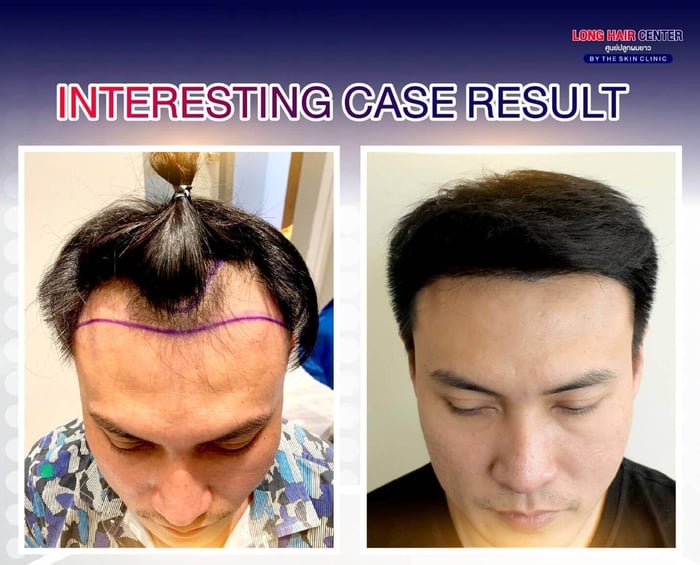
Nine months after the hair transplant, the newly grown hair appeared naturally dense and full. In this case, the medical team used the minimum number of grafts necessary, as the patient was still young and may naturally experience further hair loss over time. Although the team was able to perform a high-density transplant, it was essential to have a thorough consultation with the patient to ensure understanding that the non-transplanted hair may continue to thin or fall out in the future.
Is Hair Transplant the Final Solution? Can It Stop Hair Loss Completely?
Even after a hair transplant, it’s not possible to completely stop the shedding of existing hair. That’s why a long-term care plan is essential to slow down hair loss and preserve the remaining natural hair for as long as possible. Here are some effective hair restoration techniques:
1. ALMI Nano Fat Hair
- 100% natural, using the patient’s own fat, reducing the risk of allergic reactions.
- Minimizes reliance on hair loss medications, ideal for those wishing to avoid drug-related side effects.
- Revitalizes hair follicles and stimulates new growth, making hair stronger and reducing shedding.
- Requires minimal downtime; patients can return to daily activities quickly
2. FRM Anti-Hair Loss
- Microneedle RF (Radio Frequency): Delivers energy deep into the dermis to stimulate collagen production and improve blood circulation.
- Growth Factors & Regenerative Cells: Encourage new cell generation and restore weakened hair follicles.
- Promotes new hair growth, strengthens hair, and improves overall hair health.
- Reduces scalp inflammation, soothes sensitive scalps, and relieves irritation and dandruff
3. ERP (Exosome Rich Plasma)
- A cutting-edge treatment using exosomes, tiny particles naturally released by cells in the body.
- Exosomes contain proteins, lipids, and genetic materials that act as messengers between cells, playing a key role in tissue regeneration and growth. This technology shows strong potential in promoting hair growth and restoring scalp health safely and effectively.
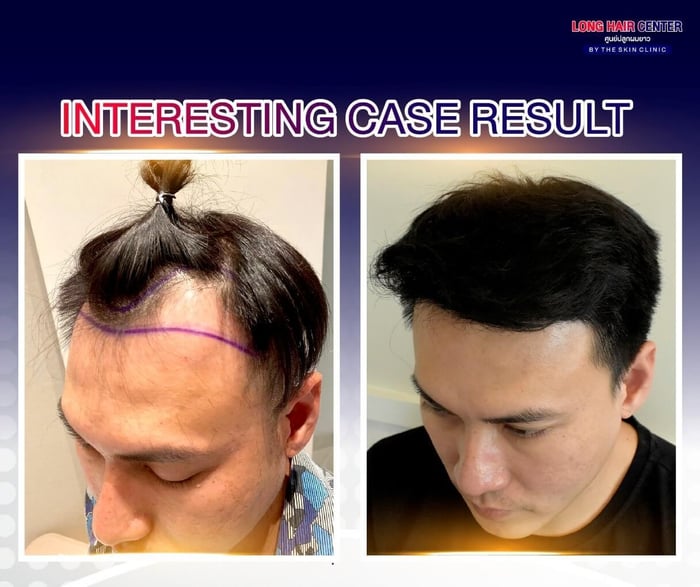
M-shaped receding hairlines can be managed effectively. The first step is identifying the root cause and developing a personalized treatment plan. Consistent care is the key to achieving natural-looking, long-lasting results, helping you regain confidence and feel like yourself again.