If you're struggling with thinning hair or baldness and considering a Hair Transplant 101 as a solution, but still have questions, what exactly is a hair transplant? Can it address all hair-related concerns? What are the procedures involved? How long does it take to see results? Let’s dive into Hair Transplant 101, your ultimate beginner’s guide to understanding the process!
Table of contents
- Understand what a hair transplant is.
- How many hair transplant techniques are there?
- The difference between short hair vs. long hair transplantation.
- Which hair transplant technique should you choose?
- How many months until you see results? How long is the recovery period?
- What types of hair loss and thinning can be treated with a hair transplant?
- How long does a hair transplant procedure take?
- What happens if you get a hair transplant at a non-standard clinic?
Understand what a hair transplant is.
A hair transplant is the process of relocating hair follicle cells from one area to another. The principle is similar to organ transplantation, but in this case, it uses the patient's own hair follicles. Hair follicles are typically extracted from the back of the head and transplanted to the front. The area used for harvesting hair follicles is called the Donor Area, where the hair is not affected by DHT (Dihydrotestosterone), the primary cause of hair loss. Once transplanted, the hair follicles will continue to grow naturally in their new location. However, the area where the follicles were removed will no longer regrow hair. Therefore, a hair transplant must be performed using the fewest grafts possible to ensure there is enough donor hair available for any future procedures.
How many hair transplant techniques are there?
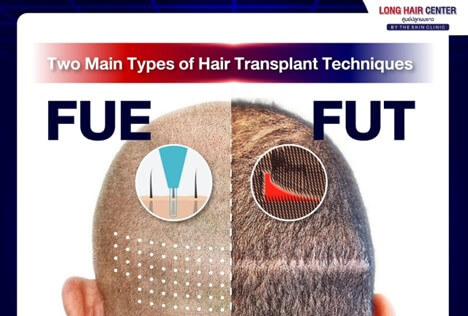
According to international standards, there are two main types of hair transplant techniques: FUT and FUE.
1. FUT (Follicular Unit Transplantation)
- A traditional hair transplant technique that involves removing a strip of scalp.
- Hair grafts are extracted from the strip before transplantation.
- Leaves a long, linear scar
2. FUE (Follicular Unit Extraction)
- Individual hair follicles are extracted one by one without removing a strip of scalp.
- No visible linear scarring.
- Less pain and a shorter recovery time compared to FUT.
The difference between short hair vs. long hair transplantation.
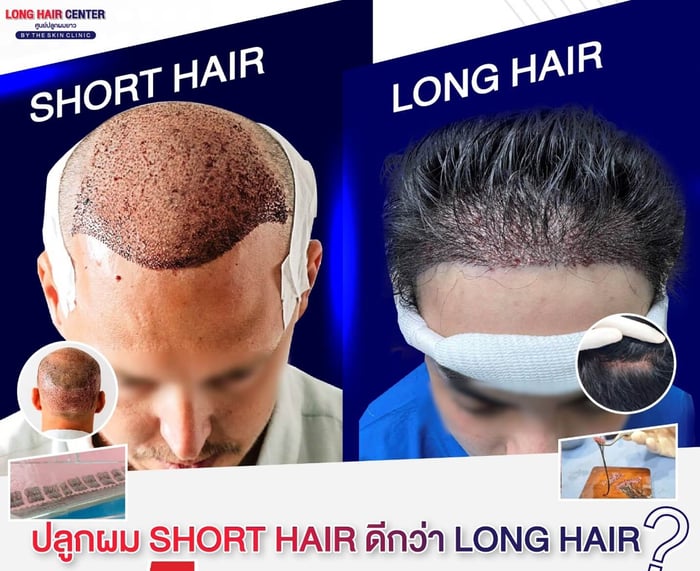
Both Short Hair and Long Hair transplant techniques fall under the FUE method. The overall transplantation process is similar for both, but the key difference lies in the characteristics of the harvested grafts.
- Short Hair Transplant: The grafts consist of short stubble-like hair, as the donor area at the back of the head must be shaved.
- Long Hair Transplant: The grafts retain long hair strands, as the extraction is done without shaving the donor area. The hairline is immediately visible after the procedure.
Which hair transplant technique should you choose?
No hair transplant technique, whether it's FUE, DHI, Long Hair, or FUE Sapphire, is considered the best overall. Instead, the most suitable technique depends on the individual patient. The different names for these techniques are based on the tools used to extract or implant the hair grafts, as well as the specific techniques employed by each doctor. For example, DHI (Direct Hair Implantation) is a technique that evolved from FUE, using a tool called the Implanter Pen to directly implant hair grafts. Each technique has its own advantages and disadvantages. The choice of treatment depends on several factors, such as whether the donor area has enough hair, whether there is widespread thinning, and which areas are affected by hair loss.
How many months until you see results? How long is the recovery period?
- Day 1 – 7: Initial Phase of Treatment
After the hair transplant, there may be slight redness and swelling in the transplanted areas. This is a normal reaction as the body begins its recovery process.
- Month 1 – 3: Shedding Phase
The transplanted hair may fall out during this period as the hair follicles enter the Telogen Phase, which is a normal process before new hair starts to grow.
- Month 4 – 6: Early Growth Phase
New hair begins to grow gradually. It may still appear thin and fragile, but over time, it will become stronger and thicker.
- Month 6 – 12: Thickening and Natural Appearance
The transplanted hair continues to grow, becoming thicker, stronger, and looking more natural.
- Month 12+: Full Development of Hair Texture
After one year, the transplanted hair will have fully grown, with increased thickness and a more natural appearance. There may still be slight changes up to the second year. Overall, the hair transplant process requires time and patience to achieve the best results. Recovery time may vary depending on individual health and post-transplant care.
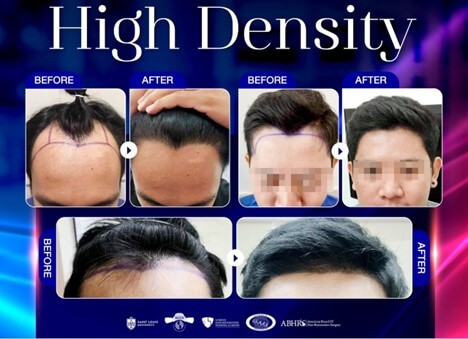
What types of hair loss and thinning can be treated with a hair transplant?
- Male and Female Pattern Baldness
This is the most common type of hair loss, caused by genetic and hormonal factors. In men, the hairline typically recedes upward, and a bald spot forms at the crown of the head. In women, hair thinning usually occurs all over the scalp. Hair transplantation can help restore thickness in thinning areas, making the hair appear more natural.
- Thinning Hair or Receding Hairline
Some people may not experience full baldness but notice a receding hairline or gradual thinning of their hair. Hair transplantation can help balance the hairline and increase hair density in desired areas.
- Bald Spots, Hair Loss from Tension, or Scarring
Somebody may have localized bald spots from accidents, surgeries, or repetitive hair tension, such as tight hairstyles like braids or ponytails. These can cause scarring and prevent hair regrowth. Hair transplantation can help restore hair in these areas and fill in the spots to make the scalp look normal again.
- Eyebrow and Beard Restoration
In addition to scalp hair transplants, the same technique can be used to restore eyebrows or facial hair for individuals with sparse or patchy hair. This helps boost confidence and enhances the overall appearance, making the face look more defined and fuller.
How long does a hair transplant procedure take?
A hair transplant is a procedure that can be completed in a single day, typically taking about 6 to 8 hours. The doctor will first harvest hair follicles, usually from the back of the head, to ensure that the grafts are of the highest quality. Once the hair follicles are harvested, the doctor will transplant them to the desired areas, carefully considering the direction and alignment of the hair to ensure the most natural-looking results. Post-transplant care is also crucial. Generally, recovery is quick, and most patients can resume their daily activities within a few days.
What happens if you get a hair transplant at a non-standard clinic?

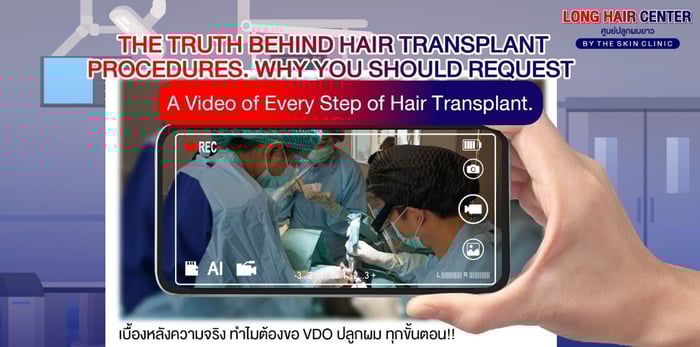
The key factors to consider for a successful hair transplant begin with choosing a reputable clinic, and the procedure should only be performed by a specialized doctor. If done by non-medical personnel, there is a risk of infection, inflammation, excessive hair loss at the graft extraction site, patchy hair growth due to over-harvesting of grafts, and poor hair growth outcomes. These issues can significantly impact both appearance and mental well-being. A good solution is to request a video of every step of the Hair Transplant 101 procedure to ensure confidence in the treatment.
For beginners interested in hair transplants, it's important to understand the basics of the procedure, the various steps involved, the dos and don’ts, and any limitations before making a decision. Consulting with a specialized doctor will provide you with targeted advice and help you choose the most suitable treatment plan for your specific hair concerns.