Table of Contents
- Why is medication necessary after a hair transplant?
- What medications are used to treat hair loss, and how effective are they?
- After having a hair transplant, you have to take medicine for the rest of your life. Is it true?
- What are alternative treatments for hair loss or thinning if you prefer to avoid medication?
- Don't wait any longer! Schedule your free consultation with our experts today!
Hair transplantation has become a popular solution for treating hair thinning and baldness, as it effectively restores thicker hair in a relatively short time and provides long-lasting results. However, many people worry whether undergoing a hair transplant means having to take medication for the rest of their lives. Is it possible to avoid taking medication after the procedure? Let’s explore this topic in this article.
Why is medication necessary after a hair transplant?
What medications are used to treat hair loss, and how effective are they?

Finasteride
Male pattern baldness caused by genetic factors is linked to the hormone DHT, which, when present in excess, disrupts the hair growth cycle and eventually causes hair follicles to shrink. Finasteride works by inhibiting the overproduction of DHT, allowing the hair growth process to continue as normal and reducing hair fall.
Dutasteride
Similar to Finasteride, Dutasteride suppresses the production of DHT, the hormone responsible for hereditary hair loss. However, it is more potent and effectively slows down the shedding of existing, non-transplanted hair.
Minoxidil
Minoxidil is effective in stimulating new hair growth and comes in two forms: tablets and topical solutions. It works by dilating blood vessels around the hair follicles, improving blood circulation and increasing the supply of nutrients and oxygen to the roots.
It is important to note that no hair loss medication can completely "STOP" hair shedding. They only help "SLOW" the process, preserving hair for as long as possible. Taking medication after a hair transplant helps maintain the density of the natural hair alongside the transplanted hair, resulting in a fuller, healthier appearance. Without proper care for the existing natural hair, only the transplanted hair may remain in the future.
After having a hair transplant, you have to take medicine for the rest of your life. Is it true?
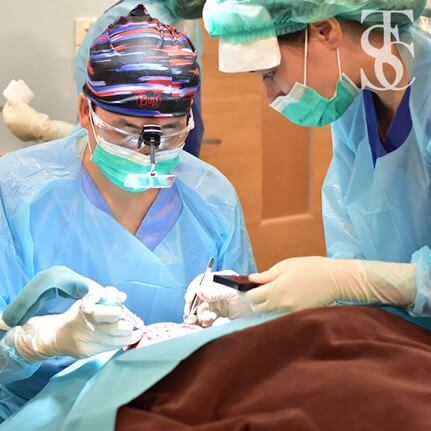
It’s important to understand that not every case requires medication after a hair transplant. Some person may not need to take medication, depending on the cause of hair thinning or baldness. If the issue is genetic, doctors often recommend continuing medication to maintain existing hair for as long as possible. Below are examples of different cases:
- Case 1: Complete baldness with hair remaining only at the back of the scalp. In this case, hair loss medications have no effect on the transplanted hair because the transplanted follicles lack DHT (Dihydrotestosterone) receptors. Therefore, taking medication after the transplant is unnecessary
- Case 2: Extensive thinning at the crown with some existing hair in the transplanted area. Medication is necessary in this case. Without it, the existing non-transplanted hair may continue to shed in the future due to the influence of DHT. However, the transplanted hair will not be affected.
- Case 3: Thinning at the hairline with a receding M-shaped hairline. Whether to take medication post-transplant depends on a joint decision between the patient and the doctor. While the transplanted hair is unaffected by DHT, existing hair may continue to thin, though medication can help slow down this process.
What are alternative treatments for hair loss or thinning if you prefer to avoid medication?
Taking medication after a hair transplant is one option for managing hair loss. However, if patients prefer to avoid medication, there are alternative treatments to help slow hair shedding
PRP Injections
This involves injecting highly concentrated platelets to stimulate blood vessel formation around the hair roots. This revitalizes hair follicle cells, strengthens the roots, and promotes new hair growth.FRM Anti Hair Loss
A technique using radiofrequency to stimulate hair follicle activity, combined with Growth Factor injections. This helps slow hair shedding and restores hair strength.
ALMI Nano Fat
A method of stimulating hair roots using the patient’s own fat cells. It increases the thickness of the scalp’s fat layer, enhances the graft adhesion process, and boosts hair growth after the transplant. This results in thicker, stronger hair with reduced shedding.
We hope this article has helped clarify whether taking medication for life is necessary after a hair transplant, providing a better understanding of how to properly care for your hair. If you are considering a hair transplant, it’s important to consult with a specialist to identify the exact cause of your hair loss and ensure effective treatment.