Table of contents
- What Is Hair Transplantation, and Why Is It a Popular Choice?
- What Are Hair Grafts, and Why Are They Important?
- What Types of Hair Problems Are Suitable for Hair Transplantation?
- What Types of Hair Loss or Thinning Are Unsuitable for Transplantation?
- Benefits of Hair Transplantation
- Limitations of Hair Transplantation
- Hair Transplant Techniques
- How Long Does a Hair Transplant Take?
- How to Prepare for a Hair Transplant
- Steps of the Hair Transplant Procedure
- How to Care for Your Hair After Transplantation
- Recovery Time After a Hair Transplant
- When Will the Results of the Hair Transplant Be Noticeable?
- Hair Transplantation for Women vs. Men: What's the Difference?
- Risks or Side Effects of Hair Transplantation
- What Is Shock Loss After Hair Transplant?
- Common Mistakes That Can Happen After Hair Transplantation
- What are the benefits of getting a hair transplant with a specialist in hair follicle transplantation surgery?
- How to Choose the Best Hair Transplant Clinic
- Cost of Hair Transplantation
- Non-Surgical Treatments for Hair Loss and Thinning
- Frequently Asked Questions About Hair Transplantation
A guide to hair transplants, the permanant one, is the ultimate solution to thinning hair or baldness, helping you regain a natural look again. For anyone concerned about thinning hair and filled with questions about hair transplantation, this article has all the answers you need. We’ll start by explaining what hair transplantation is, how the procedure works, how to prepare for it, and compare different techniques. Additionally, we’ll cover frequently asked questions to help you make a confident decision.
What Is Hair Transplantation, and Why Is It a Popular Choice?
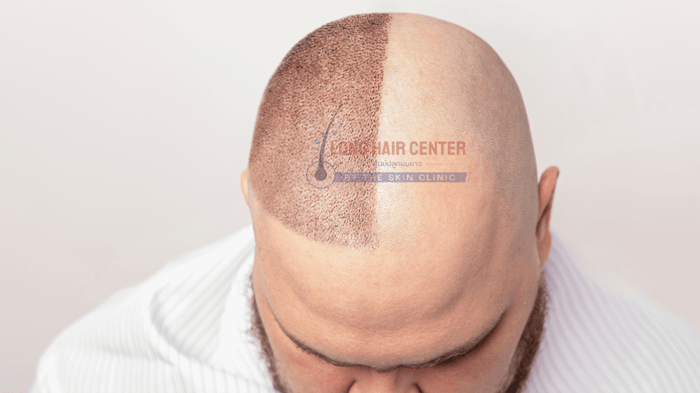
Hair transplantation is a procedure to restore hair in areas affected by thinning or baldness, such as the hairline or the crown of the head. It involves transferring hair follicle cells from a strong and durable area of the scalp, known as the Donor Area (typically the back of the head), to the targeted areas. The donor hair is resistant to hair loss caused by DHT (Dihydrotestosterone), the hormone responsible for genetic hair thinning and baldness.
What Are Hair Grafts, and Why Are They Important?
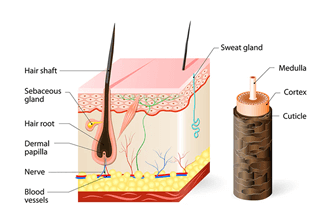
A hair graft is a cluster of hair follicles extracted by the surgeon to be transplanted to a new area on the scalp. Each graft contains 1–4 hair. Before the procedure, the required number of grafts is carefully calculated to achieve the best results. Accurate assessment ensures an even and natural appearance post-transplant.
What Types of Hair Problems Are Suitable for Hair Transplantation?
- Hair thinning or baldness due to hormones, genetics, or aging.
- Hair loss in the middle of the scalp or total hair loss due to follicle atrophy.
- Hair thinning at the part line, a common hereditary pattern seen in women.
- Receding hairlines shaped like an "M," often found in men.
- High or wide foreheads, where hair transplantation can adjust the hairline for a more proportional look.
- Scalp scarring from burns or accidents that prevents natural hair growth.
What Types of Hair Loss or Thinning Are Unsuitable for Transplantation?
- Generalized thinning across the entire scalp, where there may not be enough strong donor hair for effective results.
- According to our guide to hair transplants, hair loss caused by scalp inflammation, as transplantation may exacerbate the condition and lead to further loss.
- Certain medical conditions that prevent hair transplantation, such as Diffuse Unpatterned Alopecia (DUPA)? In addition to the risk of graft failure, it can also worsen hair loss symptoms.
Benefits of Hair Transplantation
- Long-lasting outcomes, as transplanted hair is resistant to shedding.
- The results are long-lasting and not easily fallen out, preventing further hair thinning.
- A valuable investment in personal appearance compared to the benefits achieved.
Limitations of Hair Transplantation
- Not all individuals are suitable candidates, and it may not resolve every type of baldness.
- Requires sufficient and strong donor hair from the back of the scalp for successful results.
- Hair transplantation relies on a limited “donor hair supply,” meaning once grafts are extracted, no new hair will grow in their place.
Hair Transplant Techniques
FUT Technique
FUT Technique (Follicular Unit Transplantation) involves removing a strip of scalp from the back of the head, including the hair follicles. The follicles are then separated into grafts and transplanted to the desired area.
Advantages:
- Provides a large number of grafts in one session.
Disadvantages:
- Leaves a visible scar.
- Longer recovery time.
FUE Technique
FUE Technique (Follicular Unit Extraction) is a highly popular technique that delivers natural results with minimal visible scarring. Grafts are extracted individually using specialized tools and transplanted into the target area.
Advantages:
- Minimal scarring with very small wounds.
- Faster recovery compared to FUT.
Disadvantages:
- Requires shaving the donor area.
- More time-consuming than FUT.
DHI Technique
One of the best technique according to our guide to hair transplants is DHI Technique (Direct Hair Implanter) is similar to FUE, but utilizes an Implanter Pen, which minimizes graft damage and increases graft survival rates. This tool also allows precise control of depth and direction during implantation.
Advantages:
- High graft survival rate.
- Takes less time than FUE.
Disadvantages:
- Requires a highly skilled and experienced surgeon to operate the equipment effectively.
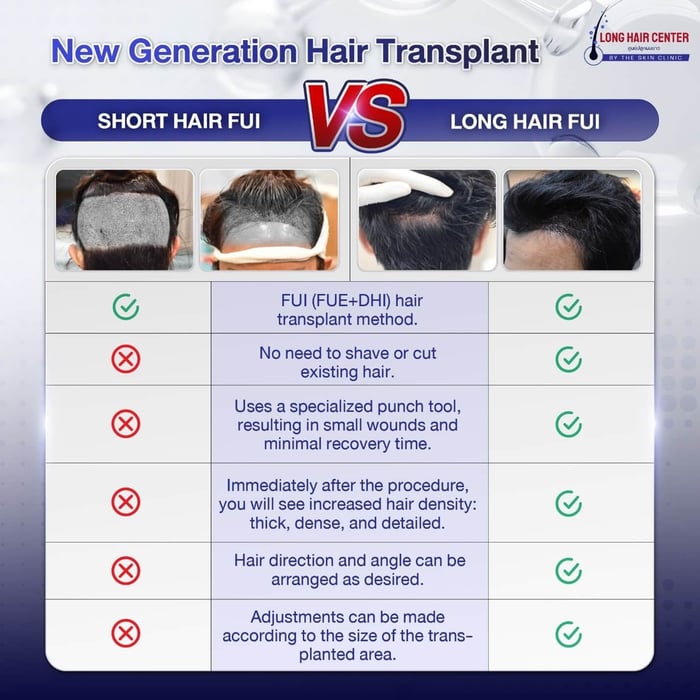
Long Hair FUE Technique
Long Hair FUE Technique is similar to FUE but does not require shaving the donor area.
Advantages:
- No need to shave or trim the donor area.
- Immediate visibility of hairline and results after transplantation.
Disadvantages:
- Demands a high level of expertise, as the long hair grafts are delicate and require careful handling to prevent dislodging.
How Long Does a Hair Transplant Take?
The procedure typically takes 6–8 hours, depending on the technique used. It is crucial that the session does not exceed 8 hours, as prolonged exposure may decrease the survival rate of the grafts, leading to unsuccessful implantation.
How to Prepare for a Hair Transplant
- Notify the doctor thoroughly of any chronic conditions to minimize risks and side effects.
- Avoid Certain Medications that affect blood clotting (e.g., aspirin, vitamin E, fish oil, Minoxidil) for at least one week before the procedure.
- Avoid products containing Minoxidil or Rogaine one week before the transplant.
- Avoid Tea and Coffee on the day of surgery.
- Avoid smoking and drinking alcohol 48 hours before and after surgery.
- No need to fast before surgery, but ensure you get at least 6 hours of adequate rest prior to the procedure.
Steps of the Hair Transplant Procedure
Hair transplantation involves multiple steps, from the initial consultation with the doctor to post-procedure care. After evaluating the condition of the hair and scalp, the doctor will plan the treatment, design the desired hairline, and calculate the number of grafts needed. The main steps include:
- Hairline Design: The doctor will draw and finalize the hairline placement in collaboration with the patient.
- Preparing the Transplant Area: The scalp is prepared for the procedure, with or without shaving, depending on the technique chosen.
- Graft Extraction: Hair follicle units are extracted from the donor area (usually the back of the head) according the selected technique.
- Graft Selection: Healthy and robust grafts are selected and preserved in a graft storage solution until they are ready for transplantation.
- Graft Implantation: Grafts are implanted one by one into the target area, ensuring proper placement and alignment with the natural hair direction.
How to Care for Your Hair After Transplantation
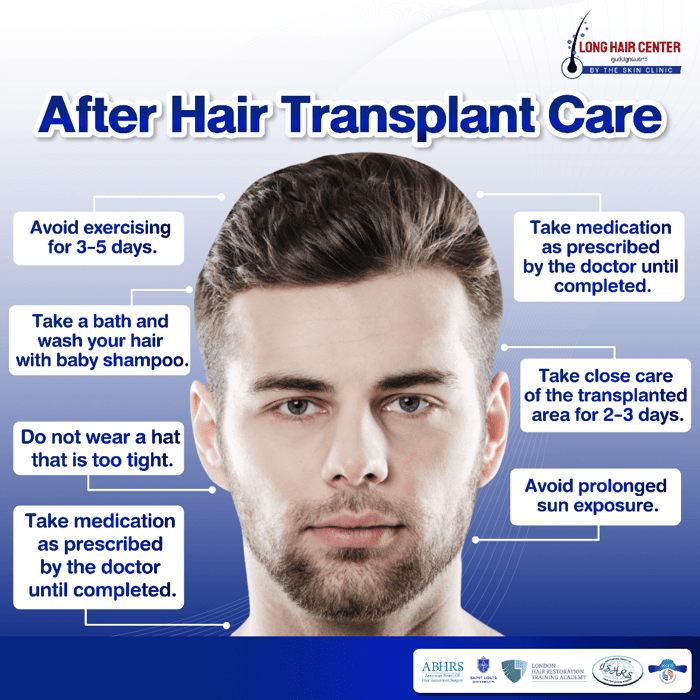
- Avoid Washing Hair for the First 24 Hours: During this period, the clinic will usually schedule a follow-up to wash the hair, check the wounds, and provide instructions on proper hair washing techniques.
- Avoid Touching or Scratching the Transplant Area: This helps prevent dislodging of the grafts.
- Refrain from lifting heavy objects or engaging in activities that cause excessive sweating.
- Take Prescribed medications, follow the doctor’s instructions strictly and attend all follow-up appointments to ensure the best results.
Recovery Time After a Hair Transplant
Hair transplant recovery is quicker than expect. Daily activities can resume almost immediately. For FUE techniques, small wounds typically dry within 1–2 days.
When Will the Results of the Hair Transplant Be Noticeable?
New hair growth begins slowly after 6–12 months, with density and volume increasing over time. Full results are usually visible between 12–18 months.
Hair Transplantation for Women vs. Men: What's the Difference?
While the techniques used for hair transplantation are the same for both genders, the issues and solutions differ:
- For Aesthetic Purposes: Designing the hairline and placing grafts require extra precision for a natural appearance that blends seamlessly with existing hair.
- For Treating Hair Loss or Thinning: Identifying the underlying cause is crucial. Some cases, such as diffuse thinning across the entire scalp, may not be suitable for transplantation. If weak donor hair is used, the transplanted hair may not stay long term.
Risks or Side Effects of Hair Transplantation
Hair transplantation is a safe procedure with minimal side effects. Common side effects include mild swelling, pain, numbness, minor bleeding, and temporary hair shedding.
What Is Shock Loss After Hair Transplant?
Shock loss refers to temporary hair shedding that may occur after a transplant. It is rare and affects newly transplanted hair or nearby areas. This is a natural part of the hair growth cycle before regrowing in new hair cycle.
Common Mistakes That Can Happen After Hair Transplantation
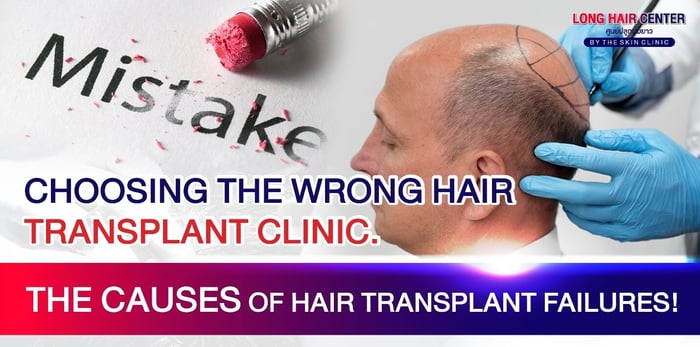
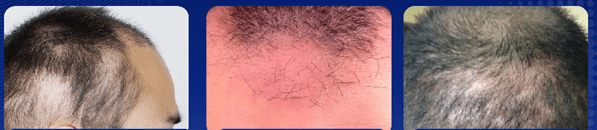
According to our guide to hair transplants, common issues after a hair transplant include poor hair growth, unnatural hairlines, misaligned hair directions, and visible scarring. These problems can stem from several factors, such as lack of expertise and experience from the surgeon, leading to graft damage during the procedure, improper hairline design or direction planning, large wounds caused by over-harvesting grafts in clusters and use of substandard medical equipment and tools.
What are the benefits of getting a hair transplant with a specialist in hair follicle transplantation surgery?
Selecting a surgeon certified by the American Board of Hair Restoration Surgery (ABHRS) ensures that the doctor has specialized expertise in hair transplantation. This certification signifies a high level of skill, safety, and confidence in achieving optimal results.
How to Choose the Best Hair Transplant Clinic
It is a top priority to choose a clinic that meets high standards and offers treatment provided by specialized hair transplant doctors. At The Skin Clinic, our services cover all aspects of hair care comprehensively:
- A team of specialized doctors with extensive experience in hair transplantation, having handled over 10,000 cases.
- A variety of hair transplant techniques, including non-transplant solutions for thinning hair.
- Design treatment plans designed to address individual patient concerns, both in the short term and the long term.
Cost of Hair Transplantation
The cost depends on the technique, number of grafts, tools used, and the surgeon's expertise. Prices typically range from tens of thousands to hundreds of thousands in local currency. While cost is a factor, consider the value and quality of service to ensure satisfactory results.
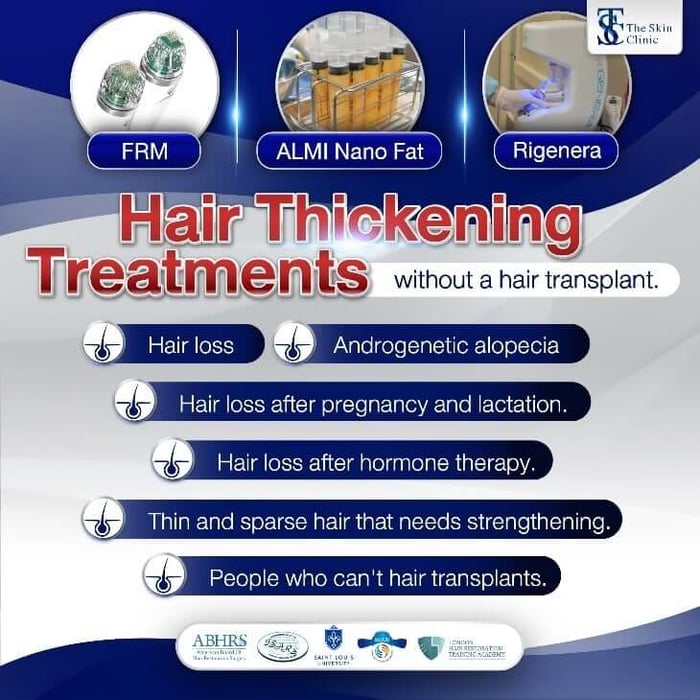
Non-Surgical Treatments for Hair Loss and Thinning
For cases unsuitable for transplantation, alternative treatments include:
Medications
Prescribed by hair specialists, such as Finasteride and Minoxidil.
PRP Injections (Platelet Rich Plasma)
Stimulates hair growth using the patient’s platelets.
FRM (Fractional RF Microneedle)
Stimulates hair roots with radiofrequency combined with PRP.
ALMI Nano Fat
Enhances hair follicle regeneration by injecting the patient’s own fat.
Frequently Asked Questions About Hair Transplantation
At What Age Can You Get a Hair Transplant?
Suitable ages range from 25–60 years. Younger or older candidates require individual assessment.
How Many Grafts Are Needed for a Hair Transplant?
The number of grafts required depends on the area to be transplanted and the desired hair density. Additionally, the condition of the existing hair must also be considered.
Will You Need to Take Medication After a Hair Transplant?
This varies from case to case. For example, patients with hereditary hair thinning may need medication. If they choose not to take it after the transplant, the non-transplanted hair may fall out in the
Will a Hair Transplant Leave Scars?
- FUT: Leaves a small linear scar at the donor site.
- FUE: Results in tiny, almost invisible scars.
How Long Does a Hair Transplant Last?
Transplanted hair can last permanently if cared for properly. For genetic conditions, additional treatments may be needed to prevent further thinning in untreated areas.
How Many Times Can You Undergo a Hair Transplant?
Graft availability limits the number of procedures, generally to 2–3 sessions. Proper planning is essential to maximize results.
In conclusion, guide to hair transplants and hair transplantation not only restores the scalp to a healthier appearance but also brings back lost confidence, making it a life-changing procedure. For those considering a hair transplant, you can book a free consultation at The Skin Clinic. Receive expert advice and a personalized treatment plan from our experienced specialists to satisfy your needs.