Table of contents
- 1. Which hair transplant technique is best for me?
- 2. What’s the experience and track record of the clinic?
- 3. What will the procedure involve, and how long will it take?
- 4. What should I do to prepare for the surgery?
- 5. How long will the recovery take?
- 6. Are there any potential risks or complications?
- 7. When can I expect to see results?
- 8. Do I need a second session?
- 9. What is the cost of the procedure?
- 10. What kind of aftercare is needed?
If you're considering a hair transplant, it's important to do your research and ask the right questions during your consultation. Understanding the procedure, the clinic's experience, and what to expect after the surgery will help ensure that you make a well-informed decision. Here are 10 essential questions you should ask your doctor before committing to a hair transplant, along with insights on how The Skin Clinic can guide you through the process.
1. Which hair transplant technique is best for me?
There are several different methods for performing hair transplants, with the most common being FUE (Follicular Unit Extraction) and FUT (Follicular Unit Transplantation). FUE is popular for its minimal scarring and faster recovery time, while FUT might be preferred in certain cases for patients requiring a larger number of grafts. During your consultation, ask the doctor which method they recommend based on your hair loss pattern, donor hair availability, and desired results. A skilled surgeon will recommend the technique that best fits your needs.
At The Skin Clinic, we assess each patient's hair loss condition individually and provide recommendations based on the most advanced and effective methods available.
2. What’s the experience and track record of the clinic?
One of the most important factors in choosing a clinic is the doctor's level of experience. Ask about how many hairs transplants the doctor has performed and what their success rate is. Ask to see before-and-after photos of patients who have undergone the procedure, and ask for references or reviews from past patients. If the clinic has been around for several years, it’s a good sign that they are established and trusted.
At The Skin Clinic, our team is highly experienced in both FUE and FUT procedures, with a proven track record of successful outcomes. We’re proud to showcase the transformations of our patients, ensuring transparency in every step of the process.
3. What will the procedure involve, and how long will it take?
Understanding the procedure and knowing what to expect on the day of your surgery is crucial. A hair transplant typically involves harvesting healthy hair follicles from the donor area (usually the back or sides of your head) and transplanting them into the thinning or bald areas. FUE is done using a micro-punch tool to extract individual follicles, while FUT involves removing a strip of scalp and cutting it into grafts.
The length of the procedure depends on the number of grafts needed. Smaller procedures might take 4-5 hours, while larger ones could take up to 8 hours. It’s essential to discuss the time frame with your surgeon so that you’re prepared for the procedure and know what to expect.
At The Skin Clinic, we provide detailed explanations of the steps involved, from consultation to recovery, ensuring that our patients feel comfortable and informed.
4. What should I do to prepare for the surgery?
Preparation is key to ensuring a smooth procedure and recovery. Your surgeon will provide a list of instructions that may include stopping certain medications (e.g., blood thinners), avoiding alcohol and smoking for a few weeks before surgery, and washing your hair on the day of the procedure.
You’ll also want to arrange for transportation to and from the clinic, as you may experience some mild sedation during the surgery. Following these instructions carefully will help reduce risks and improve your healing time.
At The Skin Clinic, we give our patients thorough pre-operative instructions, ensuring they know exactly what to do to prepare for their procedure and optimize the results.
5. How long will the recovery take?
Understanding the recovery process is important for setting realistic expectations. Most patients experience mild swelling and redness in the treated area immediately after the procedure. You may need to take time off work and avoid strenuous activities for 7-10 days.
It’s also normal for the transplanted hair to fall out within the first few weeks after the procedure. Don’t worry — this is a normal part of the process. New hair growth will begin to appear after about 3-4 months, with full results showing within 12 months.
At The Skin Clinic, we guide you through every stage of recovery, providing support to ensure a smooth healing process and helping you understand the timeline for seeing visible results.
6. Are there any potential risks or complications?
As with any surgical procedure, hair transplants come with some risks. Potential complications include infection, scarring, excessive bleeding, and graft rejection. While these risks are rare, it’s essential to discuss them with your doctor. A reputable surgeon will give you a clear idea of any risks associated with the procedure and provide guidelines to minimize them.
At The Skin Clinic, we prioritize patient safety, and our surgeons are well-trained in handling any complications that may arise, ensuring the highest standard of care throughout the process.
7. When can I expect to see results?
Hair transplant results aren’t immediate. It typically takes 3-4 months before you start seeing new hair growth, and full results may take up to 12 months. Some patients may require follow-up sessions for additional density, especially if they have extensive hair loss.
During your consultation, ask your surgeon about the expected timeline for your specific situation and what kind of results you can realistically expect.
At The Skin Clinic, we provide realistic expectations and updates on your progress, helping you track the development of your new hair and make adjustments if necessary.
8. Do I need a second session?
In some cases, patients may need a follow-up session to achieve optimal results. The need for a second procedure depends on various factors, such as the extent of hair loss, the number of grafts needed, and how well your scalp responds to the initial transplant.
Your doctor should discuss whether a second session is necessary, and at The Skin Clinic, we ensure that we’re transparent about the possibility and help you plan accordingly.
9. What is the cost of the procedure?
Cost is a significant consideration for many patients. Hair transplant costs can vary widely based on the clinic, the technique used, and the number of grafts required. Ask for a detailed breakdown of the costs and make sure you understand any additional fees for post-procedure care or follow-up sessions.
At The Skin Clinic, we offer competitive pricing and a transparent approach to cost, ensuring that you know exactly what to expect without hidden charges.
10. What kind of aftercare is needed?
Aftercare is vital to ensure your transplanted hair grows properly. You’ll need to follow the clinic’s post-procedure instructions carefully, including how to clean your scalp, avoid touching or scratching the transplant area, and possibly use special shampoos or medications to promote healing.
At The Skin Clinic, we provide comprehensive aftercare instructions and follow-up consultations to ensure that your healing process is smooth and that you achieve the best possible results.
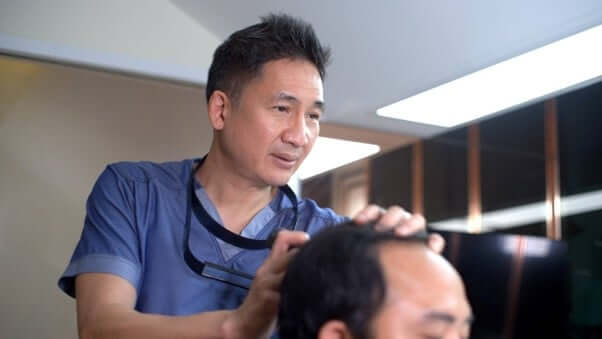
A hair transplant is a life-changing procedure, and asking the right questions during your consultation can make all the difference. By being thorough in your inquiries, you ensure that you choose a clinic and surgeon that best meet your needs. At The Skin Clinic, we are dedicated to offering personalized care, exceptional results, and a supportive experience from consultation to recovery.
If you’re considering a hair transplant and want to know more, visit our website at The Skin Clinic for more information and to schedule a consultation today!