Table of contents
- What is Nano Fat?
- The Unavoidable Truths About Hair Loss
- Microfat vs. Nanofat: What’s the Difference?
- Turning Limitations into Opportunities: Nano Fat as a Source of Growth Factors from Fat
- Unlocking the Potential of Nano Fat
- How Long Has the Nano Fat Technique Been Around?
- Fat: Nature’s Mechanism for Reducing Inflammation
- How is Hair Density Related to Fat?
- Why Combine Nano Fat with Hair Transplantation?
Using one’s own fat to restore hair, known as Nano Fat, is a groundbreaking innovation in the hair transplantation field that has gained significant attention. It delivers visible results with a high level of safety. This article will take you deeper into everything about Nano Fat. An appealing option for those facing hair loss or thinning. While uncovering why Nano Fat has become a key factor in enhancing the effectiveness of hair transplantation.
What is Nano Fat?
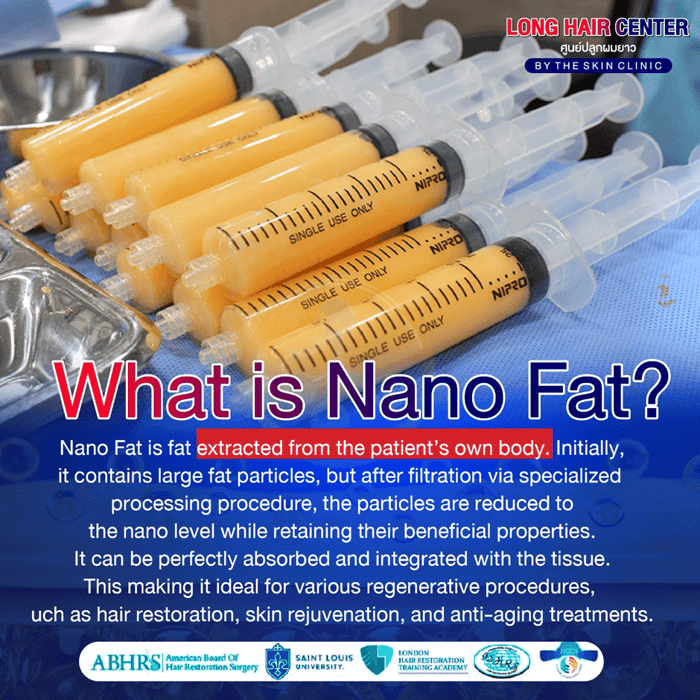
Nano Fat is fat obtained from the patient’s own body. It is extracted from normal fat, which consists of large molecules, then filtered and processed through specific procedures until it becomes fat particles that are extremely small at the nano level. With this refinement, Nano Fat can penetrate into tissues and integrate very well. It is suitable for various rejuvenation procedures such as hair restoration, skin rejuvenation, and anti-aging.
The Unavoidable Truths About Hair Loss
Hair loss is a condition that cannot be permanently stopped, and it cannot be determined precisely how long it will continue in each individual. The main characteristics of hair loss are:
- Hair falls little by little, but never stops.
- It is constantly changing.
- It is unpredictable whether hair will fall a lot or a little.
- Hair loss does not stop, no matter the age.
- Hair loss can still be visible, even after undergoing a hair transplant.
- Hair loss may occur earlier than expected.
Microfat vs. Nanofat: What’s the Difference?
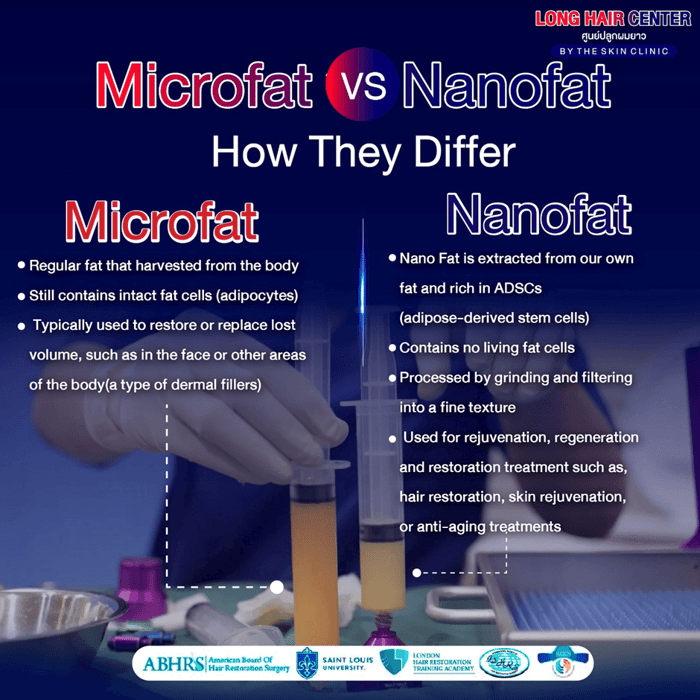
Microfat
- It is normal fat extracted from our body.
- It still contains intact adipocytes.
- Commonly used for filling or replacing lost volume, such as in facial or body areas that have become sunken.
Nanofat
- Extracted from our own fat, which is rich in ADSCs (adipose-derived stem cells).
- Contains no viable fat cells.
- Processed and filtered until it becomes a smooth, uniform substance.
- Used for rejuvenation and tissue repair, such as hair restoration, skin rejuvenation, and anti-aging.
Turning Limitations into Opportunities: Nano Fat as a Source of Growth Factors from Fat
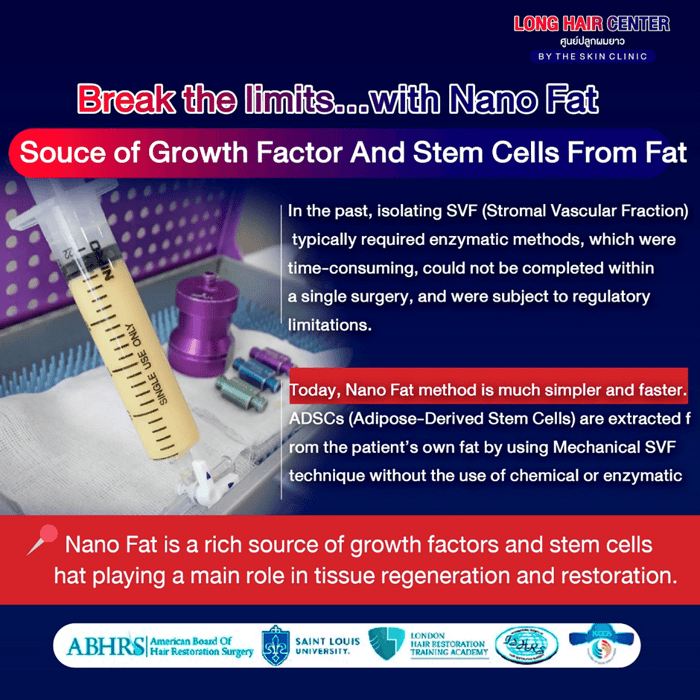
In the past, methods for separating stem cells from fat usually relied on enzymatic techniques, which took a long time and could not be completed in a single surgical procedure. There were also regulatory restrictions involved. But today, Nano Fat has become a simpler and faster method. It can extract adipose-derived stem cells (ADSCs) from the patient’s own fat through mechanical methods, without the need for chemicals or enzymes. Therefore, Nano Fat is a rich source of growth factors and adipose-derived stem cells that play an important role in regeneration and the creation of new tissue.
Unlocking the Potential of Nano Fat
Nano Fat is fat that has been filtered into extremely small particles (about 400–600 microns) without any viable fat cells. Thus, it does not increase volume like conventional fat grafting, but it is rich in active substances with restorative and reparative properties. It can be easily injected into the subcutaneous layer with a fine needle.
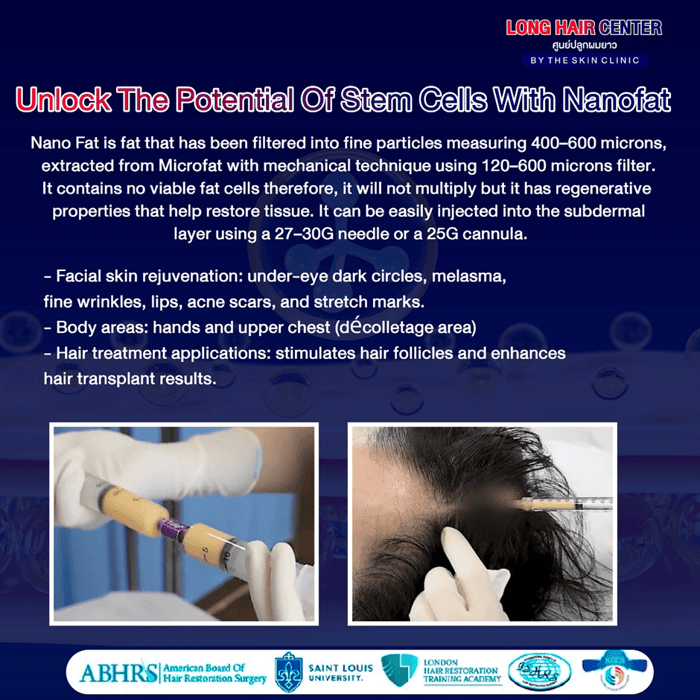
- Facial rejuvenation: dark circles under the eyes, melasma, fine wrinkles, lips, scars, acne scars, stretch marks.
- Various areas of use: face, hands, cleavage area.
- Hair-related: stimulates hair follicles and enhances the effectiveness of hair transplantation.
In summary, Nano Fat is the use of one’s own fat in a more refined form to comprehensively address skin and hair concerns.
How Long Has the Nano Fat Technique Been Around?
Nano Fat was first introduced in 2013 by plastic surgeons Prof. Patrick Tonnard and Dr. Alexis Verpaele, the inventors of this technique. Dr. Top is one of the Thai doctors who studied directly from the founders. Since Nano Fat has potential both in regeneration and in restructuring tissue, it has been widely applied in many fields, such as orthopedics, sports medicine, plastic surgery, and dermatology.
Fat: Nature’s Mechanism for Reducing Inflammation
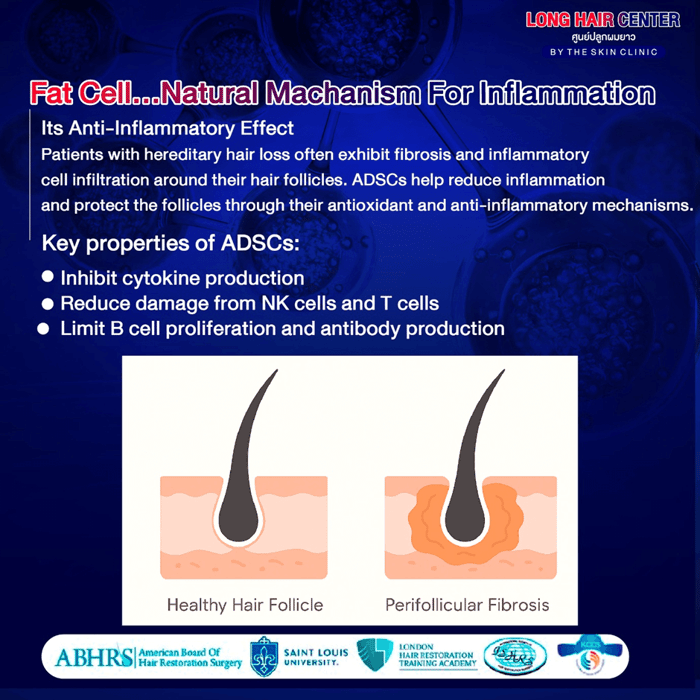
In patients with hereditary hair loss, fibrosis is often found around the hair follicles, along with an accumulation of inflammatory cells in the area. Adipose-derived stem cells (ADSCs) help reduce inflammation and protect hair follicles through antioxidant and anti-inflammatory mechanisms.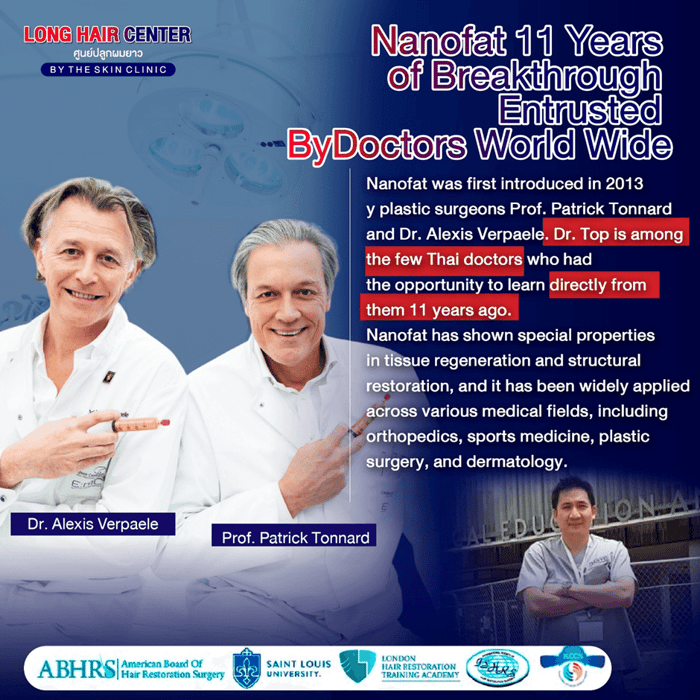
Key properties of ADSCs
- Inhibit the production of cytokines, blocking the production of substances that trigger inflammation.
- Reduce hair follicle damage caused by certain white blood cells (NK cells and T cells).
- Limit the proliferation of B cells and the production of antibodies that could damage hair follicles.
How is Hair Density Related to Fat?
In the early stage of Male Pattern Baldness (MPB), the thickness of the scalp’s fat layer remains normal, but it decreases significantly as baldness becomes more severe. With age, the scalp gradually thins, reducing blood circulation to the hair follicles. This weakens the follicles and leads to thinner hair. The fat cells around the follicles play a role in increasing scalp thickness and supporting follicle activity during the hair growth phase (Anagen). Moreover, hair loss and the loss of fat tissue are often found to occur together.
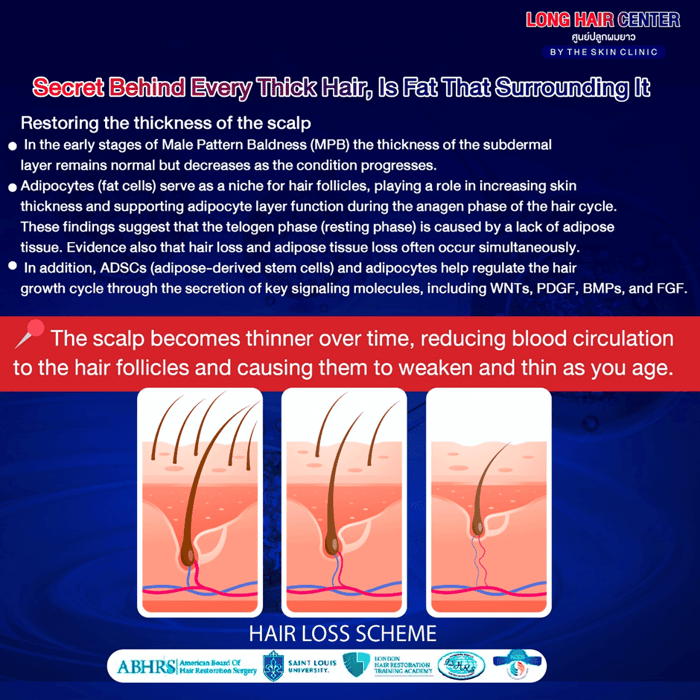
Injecting Nano Fat helps re-create the thickness of the scalp. Adipose-derived stem cells (ADSCs) and adipocytes regulate the hair cycle through the secretion of important signaling molecules that influence hair growth, while also repairing and regenerating tissue.
Why Combine Nano Fat with Hair Transplantation?
- Increases blood circulation to the hair follicles, making them stronger.
- Reduces the number of grafts needed for hair transplantation.
- Strengthens the scalp, improving graft survival.
- Reduces the risk of shock loss after transplantation.
- Protects hair follicles from the hormone DHT (Dihydrotestosterone).
- Slows down the shedding of existing hair.
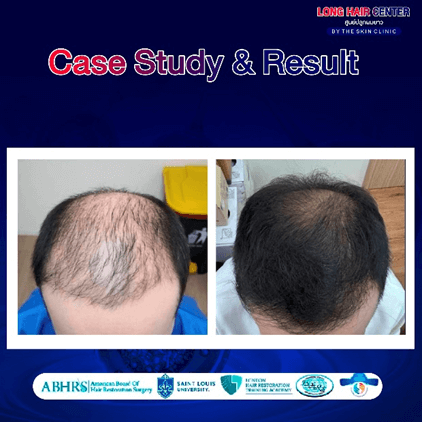
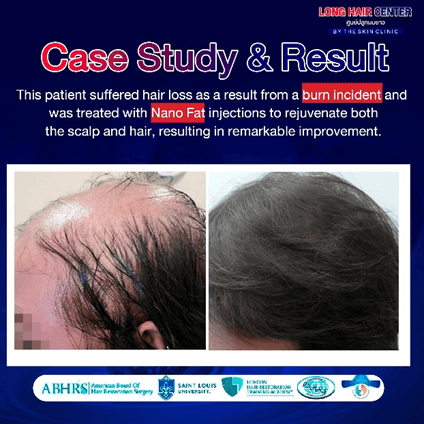
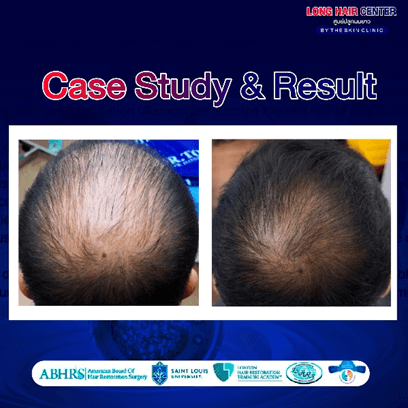
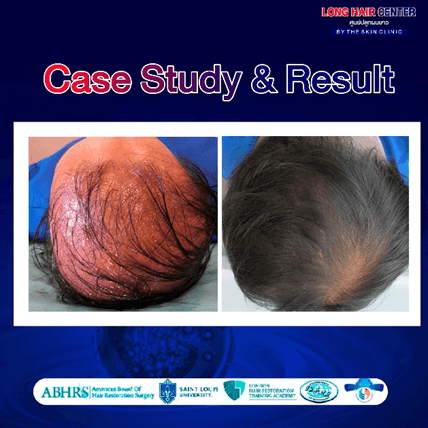
It can be seen that Nano Fat is rich in growth factors and stem cells derived from our own fat. It helps increase the thickness of the scalp, reduce inflammation, restore hair follicles to be stronger, and enhance the effectiveness of hair transplantation. If you are experiencing hair loss or thinning, you can consult our team of specialists at The Skin Clinic, so you can truly understand your hair problems and choose the treatment method that is most suitable for you.