Table of contents
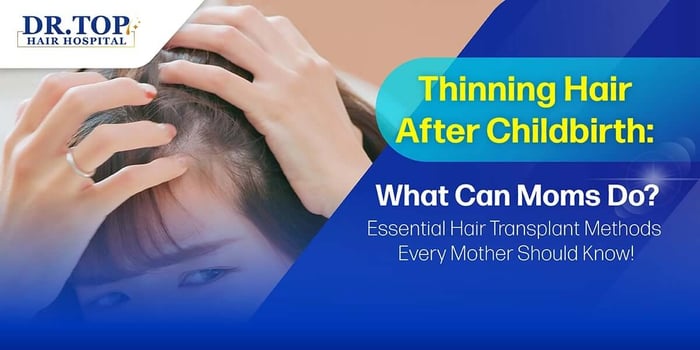
The main cause stems from the postpartum condition, where estrogen levels drop significantly. Combined with lack of sleep and the body’s increased energy demands from breastfeeding, Thinning Hair becomes more common — hair becomes weaker and falls out more easily. Some mothers even worry they may be developing baldness, when in reality, this issue can be prevented and managed with the right care.
The good news is that both postpartum hair loss and thinning hair can be treated. Solutions range from choosing protein-rich foods, taking hair supplements to nourish the roots, to considering medical treatments such as a hair transplant designed specifically for mothers. Choosing a trusted hair transplant clinic with a team of highly experienced doctors ensures safe procedures and natural-looking results. This article will guide you through the causes, self-care methods, and medical options like hair transplant that can help restore fuller, healthier hair and boost confidence once again.
Why Do Mothers Experience Postpartum Hair Loss?
Postpartum hair loss is a common concern that worries many mothers. From once having thick and shiny hair, they suddenly notice excessive hair shedding that seems unusual. Some even find clumps of hair on their pillow or strands falling out easily when combing, leading to the fear that this might result in thinning hair. The main reason lies in the rapid drop of estrogen levels after childbirth, combined with the overall postpartum condition, where the body is recovering and using large amounts of energy for breastfeeding. These factors weaken the hair, making it fall out more easily.
In most cases, postpartum hair loss is only temporary, but it can still affect a mother’s confidence, especially when thinning hair becomes clearly noticeable. The good news is that hair usually regrows naturally within 6–12 months. Taking proper care of yourself with enough rest, a balanced diet, and necessary hair supplements can help strengthen the hair during this period.
However, if thinning hair becomes severe or does not improve over time, consulting a doctor and considering further options such as hair treatments or even a hair transplant at a reputable hair transplant clinic with highly experienced doctors may be an effective solution to restore fuller hair and regain confidence more quickly.
Estrogen Levels Drop
During pregnancy, a mother’s body has higher levels of estrogen than usual, which is why hair often looks thicker, shinier, and healthier. Many even notice their hair looking its best while pregnant. But after childbirth, estrogen levels drop rapidly, causing the hair that had been in the resting phase to shed all at once. This results in postpartum hair loss, something almost every mother experiences.
This sudden shedding can be worrying, especially when you see strands on your pillow or clumps falling out while brushing. For some, the excessive hair shedding makes the hairline and crown noticeably thinner, leading to the fear of baldness. In reality, this is not permanent but rather the body’s natural response to hormonal changes. With proper care, rest, a nutrient-rich diet, and even hair supplements, the condition gradually improves, and hair often regrows thicker over time.
Postpartum Condition and Breastfeeding
Aside from hormonal changes, breastfeeding is another factor that contributes to postpartum hair loss. The body requires more energy and nutrients to produce milk, and if these aren’t replenished adequately, the hair roots weaken and fall out more easily. Sleep deprivation further worsens the condition, making thinning hair more noticeable. While most cases resolve naturally, if hair continues to shed heavily for too long, it’s best to consult a doctor or a trusted hair transplant clinic to plan the right care and consider advanced options for restoring healthier, fuller hair in the future.
Causes of Thinning Hair and Postpartum Hair Loss
After entering the postpartum condition, a mother’s body goes through many changes not only physically and emotionally, but also with hair health. Postpartum hair loss and thinning hair are rarely caused by just one factor; rather, they result from several issues working together.
Stress and Lack of Rest
For new mothers, stress and sleep deprivation are almost unavoidable. Waking up multiple times during the night to care for a baby puts the body under constant strain. This increases the production of cortisol, known as the stress hormone, which helps regulate blood sugar, blood pressure, and the immune system. Normally, cortisol levels peak in the morning and decrease by evening. However, when stress builds up over time, cortisol levels remain elevated, leading to negative effects on overall health.
One of these effects is a disruption of the hair growth cycle. High cortisol levels can shorten the growth phase of hair, resulting in more shedding than usual. Many mothers notice excessive hair shedding, sometimes to the point where their scalp looks visibly thinner. If this continues without proper care, it may eventually lead to thinning hair. That’s why finding ways to rest, relax, and reduce stress is essential not only for overall well-being but also for supporting healthier hair regrowth after childbirth.
Lack of Essential Nutrients
When the body is fatigued from breastfeeding, mothers need more nutrients than usual. Without enough protein, iron, zinc, or B vitamins, hair roots become weak and shed more easily. This is why some women notice their hair gradually becoming thinner soon after giving birth. Eating a balanced diet or taking hair supplements designed to nourish the hair can help reduce postpartum hair loss while also supporting the body’s overall recovery.
Genetics or Baldness
Beyond hormones and nutrition, genetics also play a significant role. Some mothers may have a family history of baldness or thinning hair, which makes the symptoms even more noticeable after childbirth. While postpartum hair loss usually improves naturally over time, when genetics are involved, the problem may persist or worsen. In such cases, seeking medical advice or exploring treatments at a hair transplant clinic can provide more targeted solutions. For mothers facing severe or long-term thinning hair, considering a professional hair transplant may also be a way to restore both fuller hair and confidence in the long run.
Foods That Help Strengthen Hair After Childbirth
Taking care of nutrition is one of the best ways to keep hair strong after giving birth. The body of new mothers consumes a large amount of energy and nutrients during recovery and breastfeeding. If the diet is lacking, problems like postpartum hair loss and thinning hair become more noticeable. Eating nutrient-rich foods is an inside-out approach that should never be overlooked.
B Vitamins and Biotin
B vitamins, especially B7 known as biotin play a crucial role in producing keratin, the main protein in hair. Getting enough of this vitamin helps reduce excessive hair shedding and makes hair stronger. Foods rich in biotin include egg yolks, whole grains, and nuts. If it’s difficult to get enough through diet alone, taking hair supplements can also be an effective way to support healthier hair after childbirth.
Iron and Omega-3
Mothers often face iron deficiency after giving birth due to blood loss and increased energy use for breastfeeding. Iron is essential for producing red blood cells, which carry oxygen and nutrients to the hair roots. At the same time, omega-3 helps reduce inflammation and nourishes the scalp. Foods like liver, dark leafy greens, and salmon are highly recommended, as they help reduce the risk of thinning hair and promote shinier, fuller growth.
High-Protein Foods: Fish, Eggs, and Nuts
Protein is the foundation of healthy hair, helping it stay strong and grow faster. Choosing protein-rich foods such as fish, eggs, and nuts supports hair growth, reduces shedding, and gradually improves postpartum hair loss. Protein also gives mothers the energy they need to care for their babies and serves as an important base if, in the future, they wish to consider treatments or even a hair transplant to directly address ongoing hair concerns.
What Natural Methods Can Help Reduce Postpartum Hair Loss?
Although postpartum hair loss is mainly caused by natural changes in the body, there are several natural methods that can help ease the symptoms. With consistent care, hair can gradually become stronger, reducing the risk of thinning hairand helping mothers regain their confidence.
Adjusting Sleep Habits and Managing Stress
One major cause of postpartum hair loss is lack of rest. New mothers often have to wake up at night to care for their babies, leaving their bodies exhausted and disrupting the natural hair cycle. This can lead to excessive hair shedding and visible thinning of hair. Quality sleep of 6–8 hours is essential, though it can be difficult to achieve. Napping while the baby sleeps or asking family members for support can help. Simple stress management techniques such as deep breathing, listening to music, or light activities can also promote relaxation and reduce the long-term risk of thinning hair.
Scalp Massage to Stimulate Circulation
A gentle scalp massage for just a few minutes each day helps boost blood circulation, delivering more nutrients to the roots. This encourages stronger regrowth and helps reduce hair shedding. Scalp massage is an easy, at-home method that also helps mothers relax and relieve stress from the postpartum condition. It serves as a foundation for healthy hair care before considering more advanced treatments such as medical procedures or even a hair transplant in the future.
Additional Options for New Mothers
While natural methods can reduce postpartum hair loss to some extent, some mothers who experience excessive shedding or noticeable thinning hair may need extra support. Choosing the right additional options can help strengthen hair both internally and externally.
Taking Hair Supplements for Mothers
After childbirth, the body requires significantly more energy and nutrients. Without enough hair, hair can become weak and shed more easily. Taking hair supplements such as biotin, B vitamins, iron, and zinc can strengthen the roots, reduce postpartum hair loss, and improve overall recovery for new mothers.
Choosing Gentle Shampoo and Conditioner
Another effective way to combat postpartum hair loss is by using gentle hair care products. After childbirth, hair roots are especially fragile, and shampoos or conditioners containing harsh chemicals like sulfates or silicones may trigger excessive hair shedding and dryness. A better choice is to use formulas with natural extracts that are free from irritants. These products help strengthen hair, make it appear fuller, and minimize the effects of thinning hair. Combined with proper rest and good nutrition, gentle products play a key role in restoring healthy, beautiful hair.
Severe Thinning Hair After Childbirth: How Can Mothers Restore Healthy Hair?
If postpartum hair loss does not improve naturally, or if thinning hair becomes so visible that the scalp shows, mothers should not ignore it. There may be other factors at play, and finding the right solution early can help restore hair more quickly and rebuild confidence.
Check If Hair Loss Is Abnormal
Typically, postpartum hair loss improves within 6–12 months. However, if shedding continues or there is excessive hair shedding to the point where new hair growth cannot keep up, it’s important to check if the condition is abnormal. Warning signs include patchy hair loss, a clearly visible scalp, or signs resembling early baldness. If left untreated, this could become a permanent problem. A simple way to monitor is by counting daily hair fall if it exceeds 100 strands consistently, it’s time to see a doctor or consult a trusted hair transplant clinic for professional advice.
Choosing the Right Treatment for Mothers
Initial options may include hair supplements to nourish and strengthen the roots, or specialized scalp treatments such as FRM–Anti Hair Loss, ALMI Nanofat, Regenera, or SVF, which are widely used techniques to rejuvenate hair follicles and stimulate new growth.
For more advanced cases of thinning or Hair Loss, medical procedures including Hair Transplant Surgery may be considered. The key is selecting a trusted Hair Transplant Clinic with highly experienced doctors who can design a natural-looking hairline, ensure treatment safety, and create long-lasting, natural results.
If the Hair Loss persists or worsens despite home care, consulting a hair specialist is strongly recommended. Early intervention not only helps Solve Hair Problems more effectively but also prevents progression toward permanent baldness, allowing mothers to Restore Thicker Hair and regain their confidence safely.
Consult a Specialist Doctor
For mothers struggling with postpartum hair loss that leads to noticeable thinning hair, self-care alone may not be enough. Consulting a specialist in hair and scalp health is essential to evaluate whether the problem is temporary or linked to other factors, such as nutrient deficiencies, hormonal imbalance, or genetics that may lead to long-term baldness.
At The Skin Clinic, our medical team has extensive experience in treating various scalp and hair concerns. Choosing doctors certified by the American Board of Hair Restoration Surgery (ABHRS) who are also World-Renowned Speakers recognized by physicians worldwide in countries such as Turkey, Monaco, France, Spain, the United States, and Singapore ensures that every patient receives the safest and most precise care possible.
Our highly experienced doctors are skilled in designing personalized treatment plans tailored to each individual’s needs from vitamin supplementation and specialized scalp treatments, to Hair Transplant Surgery when hair thinning becomes more severe.
Each case begins with a detailed scalp diagnosis to determine the most suitable approach, including whether non-surgical or surgical procedures are recommended.
Treatment plans are customized to fit each mother’s lifestyle, ensuring that no matter how mild or severe the postpartum Hair Loss may be, there’s always a safe, effective, and proven solution helping you regain confidence with healthier, stronger hair once again.