After undergoing the hair transplant procedure, many people might think the hard work is over. In reality, caring for the newly transplanted hair, slowing down shedding, and preserving existing hair are steps just as crucial as the transplant itself. This is because proper care affects the new hair's strength, the graft's robustness, and long-term hair growth. Neglecting this recovery period can lead to poor hair growth, recurrent hair loss, or results that don't meet expectations, preventing the hair transplant from providing the long-lasting results it should.
This article will introduce you to tips for hair care from the first day after the transplant to long-term care, ensuring your new hair is strong, grows well, doesn't fall out, and develops naturally. We will also recommend the follow-up after treatment service at The Skin Clinic, which is designed to support continuous care for the best possible outcome.
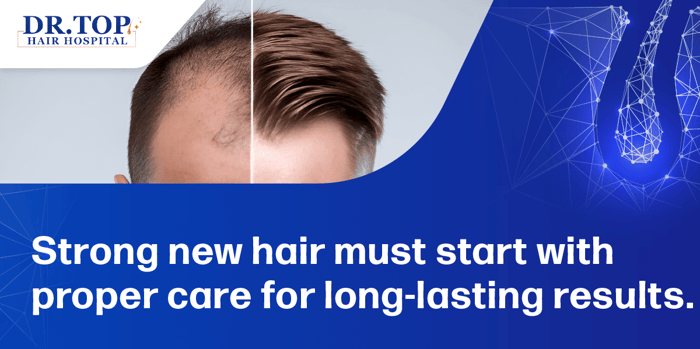
Strong new hair must start with proper care for long-lasting results.
After the hair transplant procedure is complete, many might feel the mission is accomplished. However, in reality, post-transplant hair care is a step as important as the surgery itself, as this is the period that determines how "strong new hair" will be and how long it will last. Inadequate care can cause some hair grafts to fail or lead to scalp inflammation, weakening the hair and failing to provide the long-lasting results intended.
1. "Golden Period": A crucial time not to be overlooked
The first week after the hair transplant is the "Golden Period," which requires extreme caution because the newly implanted hair roots have not yet fully anchored. The slightest disturbance could cause the grafts to dislodge.
What to do
Do not wash your face or hair immediately. Use a cotton ball or cloth soaked in saline to gently wipe the area.
Avoid sleeping on your head or the transplanted area.
Do not touch the transplanted area directly with your hands.
Refrain from exercise or activities that cause sweating.
What to use
Use only saline or a special spray recommended by your doctor.
Wear a hat to protect against dust or sun when going outdoors.
2. Proper scalp cleansing
After the first week, the scalp will begin to dry and form scabs, which is normal. It is important to let the scabs fall off naturally and safely to prevent inflammation or damage to the grafts.
Recommended guidelines
Start washing your hair gently with baby shampoo or a sulfate-free shampoo.
Use your fingertips to tap gently; do not scratch.
Do not use a hot hairdryer; use a cool setting or gently pat dry with a towel.
Avoid using very hot or very cold water to wash your hair.
3. Eating to nourish hair roots from within
Nutrition is one of the key factors that help hair grow well and be strong from the inside. Hair requires protein, vitamins, and minerals as raw materials to create new strands.
Recommended foods
High-quality protein: Eggs, chicken, fish, beans.
Iron and Zinc: Liver, egg yolks, pumpkin seeds.
B vitamins and Biotin: Avocados, bananas, black beans.
Omega-3: Salmon, walnuts.
Avoid foods high in sugar, trans fats, and fried items, as they can promote inflammation.
4. Using hair restoration products systematically
Besides diet, using specific topical products can also help accelerate the growth of new hair. You should choose products specifically designed for post-hair transplant care, such as serums with Growth Factors, Stem Cells, or Minoxidil (as recommended by your doctor).
Points to consider
Choose products that are free of alcohol and fragrance.
Use consistently for at least 3–6 months.
Stop use immediately if you experience an allergic reaction or irritation.
5. Behaviors to avoid after a hair transplant
Some behaviors may seem minor but can unknowingly affect the strength of your new hair, such as:
Wearing tight hats for long periods.
Rubbing your hair too vigorously.
Coloring, straightening, perming, or bleaching hair within the first 3 months.
Accumulated stress that affects hormones and the hair cycle.
Staying up late or not getting enough rest.
6. Follow-up with a doctor: The tip people often overlook
A hair transplant is not a "one-and-done" treatment; it requires ongoing care. Attending follow-up appointments allows the doctor to assess the strength of the new hair and adjust the care plan in a timely manner, such as:
Adding restorative treatments.
Adjusting medications or supplements.
Monitoring for complications or unusual signs.
Follow-up Services After Hair Transplant at The Skin Clinic
At The Skin Clinic, we offer a comprehensive post-hair transplant care service. Our team of highly experienced doctors will assess the condition of your hair and scalp at each stage of recovery and recommend appropriate care, such as:
Hair root restoration treatments like FRM or ALMI.
Personalized nourishment programs with Growth Factors.
Monitoring hair growth with high-magnification cameras.
Adjusting the care plan to achieve maximum long-term results.
Those who undergo a hair transplant with The Skin Clinic will receive additional follow-ups during a specified period, along with professional advice covering all dimensions of care.
Caring for newly transplanted hair correctly from day one is the key to ensuring your strong new hair grows well and stays with you for long-lasting results. This includes not only physical recovery but also nourishment from within, appropriate behaviors, and continuous follow-up with the doctor. If you cover all three dimensions, the opportunity to have thick, strong, and natural-looking new hair is within your reach.