Table of Contents
- Warning Signs That You May Be Going Bald
- Will Transplanted Hair Fall Out Again?
- How Long Will Transplanted Hair Last? Are the Results Permanent?
- Will You Need Additional Hair Transplants in the Future?
- Don't wait any longer! Schedule your free consultation with our experts today!
Deciding to undergo a hair transplant isn't easy, especially since it involves a considerable cost. If you're opting for a permanent hair transplant, you’re likely looking for long-lasting, quality results with minimal risks. Many wonder how long the transplanted hair will last and if the results will truly be permanent. This article has answers for you.
Warning Signs That You May Be Going Bald
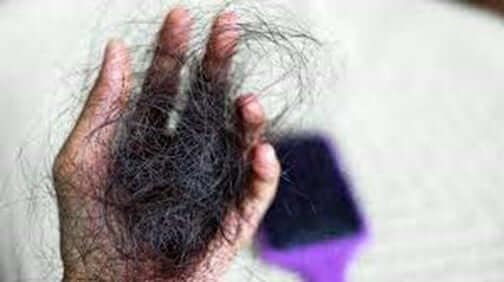
Baldness can result from various factors and different forms of hair loss. Common causes include genetics and hormones, certain illnesses, accumulated stress, and nutrient deficiencies. If you start noticing these warning signs, it may indicate that you're on the path to experiencing baldness:
- Excessive hair shedding: Hair falls out more than usual, especially during washing or combing.
- Noticeable hair thinning: Hairline starts receding, and thinning appears at the crown area.
- New hair growth appears finer and shorter than usual, or new hair may stop growing.
Will Transplanted Hair Fall Out Again?
No matter how severe the baldness, men experiencing hair loss typically retain hair on the sides and back of the head, not experiencing complete baldness. This is because hair in these areas lacks receptors for DHT (Dihydrotestosterone), the hormone that causes hereditary hair loss. Doctors use hair from this area for transplantation. This remaining hair is expected to last a lifetime and is referred to as the “Donor Area.”
Many people wonder whether hair transplanted with FUE or DHI will fall out again. While the transplanted hair may shed initially, it is unlikely to fall out long-term because it’s not affected by DHT. Hair shedding after a transplant occurs in phases:
- Initially, the transplanted hair roots bond with the scalp.
- Around 1–3 months after the procedure, natural shedding may occur as part of the hair’s natural cycle, but the roots remain.
- By 5–6 months, new hair growth gradually appears, showing visible results, with full growth achieved about one-year post-transplant.
How Long Will Transplanted Hair Last? Are the Results Permanent?
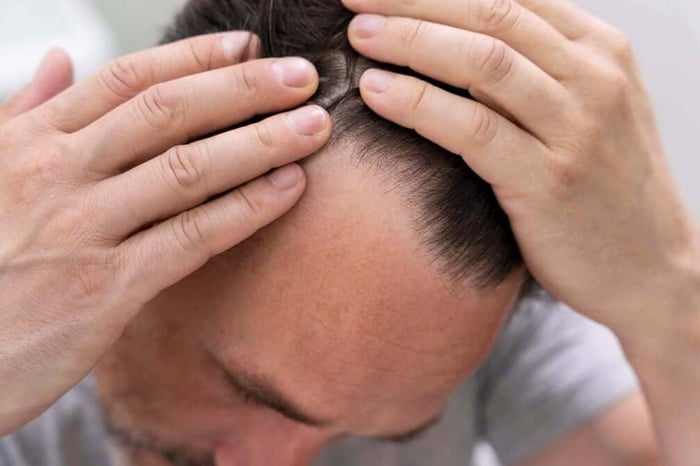
How many years will transplanted hair last? It's important to understand that a hair transplant is the process of moving hair follicles from the back of the head to areas with thinning or balding hair. While it restores hair in these areas, it doesn’t prevent future hair loss. Transplanted hair will shed naturally as part of its normal life cycle but will typically remain long-term and not revert to the balding state experienced before. Unlike other hair, it isn’t affected by DHT hormones or age-related loss, though genetic factors may still play a role in how much hair sheds over time.
Are the results of a hair transplant permanent? The answer varies. Here are examples of cases treated at The Skin Clinic, showing different outcomes based on the causes of baldness:
- Case 1: A patient with burns and scalp damage resulting in no remaining hair follicles.
Treatment involved transplanting hair follicles from the back of the head to the affected area. Transplanting over scar tissue can be challenging, as damaged skin often has fewer fat layers, making it harder for hair to anchor. Burn scars often contain fibrous tissue, which complicates the process. For this case, as there was no remaining hair in the affected area, transplanted hair, once successful, will be permanent. - Case 2: A patient with hereditary thinning.
Symptoms included thinning at the crown and receding hairline. For this type of case, transplanted hair will be permanent; however, the natural hair in untreated areas may continue to thin over time. Thus, while the transplanted hair remains, future treatment might be needed to preserve the rest of the hair.
Will You Need Additional Hair Transplants in the Future?
Natural hair that hasn't been transplanted will continue to thin with age, while transplanted hair typically remains for many years. Some people only need one transplant, while others may require additional procedures in the future due to various factors, such as:
- Genetics
People with hereditary hair thinning may undergo a hair transplant at a young age. However, if they don't properly care for their existing hair, it may continue to fall out as they age, potentially requiring a second hair transplant. - Doctor's Expertise
An experienced hair transplant specialist can accurately assess and transplant from the ideal donor area, ensuring the hair’s longevity. If hair is transplanted from non-donor areas, however, it may not be permanent and could shed over time. - Post-Transplant Care
Proper care is crucial, especially initially, to ensure transplanted follicles remain intact. Following aftercare instructions carefully can significantly impact the durability and success of the transplant.
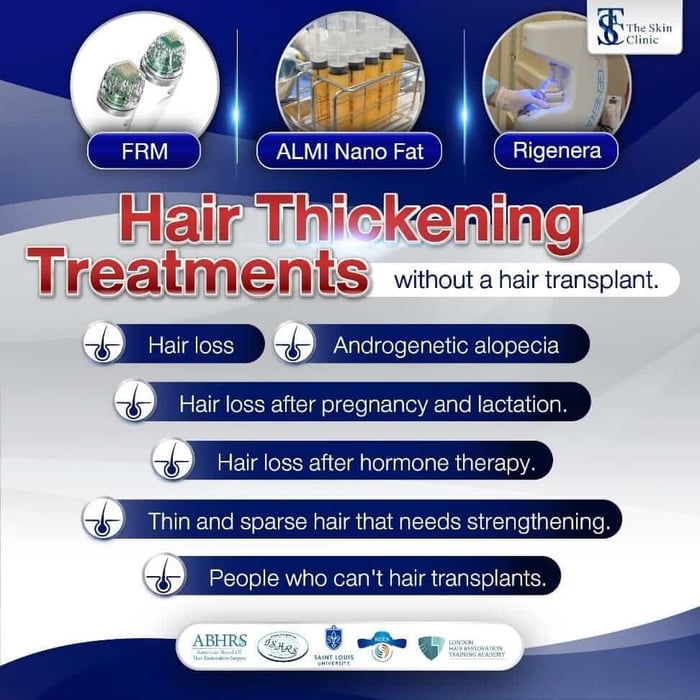
Hair transplantation is an effective solution for managing baldness. Ongoing care helps maintain results for a longer period. For those experiencing thinning hair or baldness, don’t wait too long, as it can affect your confidence. It’s important to see a doctor promptly to determine the cause and receive appropriate treatment tailored to each individual.