Table of Contents
- Premature thinning hair is a bigger problem than you think.
- Can follicular unit extraction (FUE) be done at any age? How does hair transplantation differ between older adults and young adults?
- Factors to consider when deciding on hair transplantation :
- Don't wait any longer! Schedule your free consultation with our experts today!
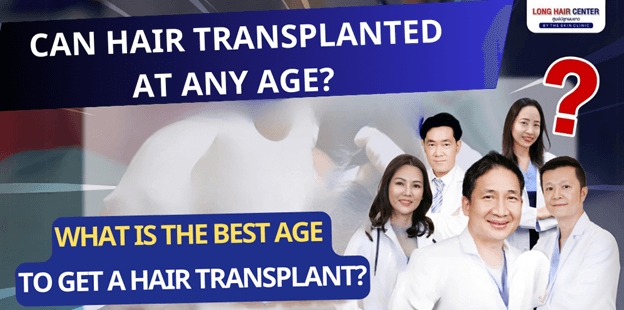
Many people believe that hair loss and thinning primarily affect those aged 30 and above. However, in reality, young adults are also at risk of experiencing hair loss. If left untreated, it can lead to baldness in the future. At the same time, some older individuals are equally concerned about thinning hair. So, “Can older people get a hair transplant?” and “At what age can you undergo a hair transplant?” You can find the answers in this article.
Premature thinning hair is a bigger problem than you think.
- Hair loss caused by certain diseases : Diseases such as thyroid disorders, anemia, systemic lupus erythematosus (SLE), and polycystic ovary syndrome (PCOS) can lead to hair loss.
- Hair loss caused by illness : Illnesses such as dengue hemorrhagic fever, influenza, and COVID-19 may result in temporary hair loss. This condition typically resolves naturally once the body returns to normal health.
- Hair loss caused by stress : Due to the current environment, adolescents and working adults are easily subjected to pressure, which can gradually lead to chronic stress. If chronic stress persists over an extended period, the body will stimulate an increase cortisol hormone production, which affects the hair growth cycle, leading to weakened hair and excessive hair loss
Regardless of the cause, do not let chronic hair loss progress to the point of baldness or complete loss of hair follicles, as it will reduce the available treatment options.
Can follicular unit extraction (FUE) be done at any age? How does hair transplantation differ between older adults and young adults?

Before deciding on a treatment, it’s essential to determine the underlying cause of hair loss, especially in cases of male androgenetic alopecia. The treatment should be initiated early to slow down hair loss and stimulate new hair growth. For patients with significant hair thinning in areas where the scalp is visible, hair transplantation is an effective treatment for addressing hair loss and baldness.
The treatment of hair loss and thinning varies by age, there are several factors to consider that are different in individual. The ideal age range for hair transplantation is between 25-60 years. For patients under 25, it is important to assess whether there is a family history of androgenetic alopecia and the severity. A detailed medical history must be taken to gather information before starting treatment. Because treating hormone-related hair loss requires a long-term treatment plan, patience, and continuous care.
In some individuals, as they age, hair loss may gradually increase. Thinning hair and baldness in older adults typically affect the front and top of the head, extending to the back. If a hair transplant is to be performed on all areas simultaneously, it cannot be done at once due to insufficient donor hair, which would result in significant loss of hair from the back. Patients over 60 can undergo hair transplantation, but their overall health must be evaluated for any underlying conditions, such as diabetes, hypertension, heart disease, or high cholesterol. Although there are no strict age limitations, it is recommended to consult a doctor to assess suitability and risks.
Factors to consider when deciding on hair transplantation :
Physical condition
The patient’s physical condition plays an important role in hair transplantation. Those in good health without underlying conditions tend to have lower risks. However, there is no absolute restriction preventing individuals with underlying health conditions from undergoing hair transplantation. Each case must be assessed individually.Hair transplantation techniques
There are various methods of hair transplantation, each suited to different types of hair loss, thinning, or baldness. The doctor will recommend the technique that best fits the patient’s hair condition and physical health. The decision on which technique to use should be made after a consultation between the doctor and the patient, as treatment procedures and costs vary between techniques.
Costs
Compared to other methods of treating hair loss or thinning, hair transplantation is more expensive. It is important to prepare an adequate budget. It is recommended to choose a qualified, reputable specialist who provides follow-up care to ensure successful treatment.Hair transplant clinics
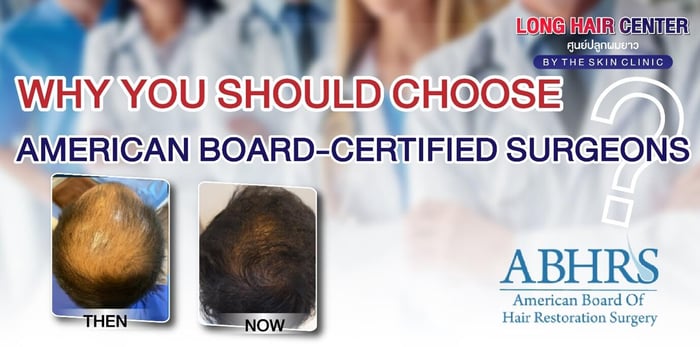
Choosing a reputable clinic with experienced and skilled doctors is another important factor. This helps ensure that the patient receives effective treatment and satisfactory results. You can look at reviews from actual clients and requests to see previous work to help inform your decision. Additionally, consulting with the doctor before the hair transplant allows you to understand the treatment plan, procedure, and expected outcomes.

Hair transplantation is not solely dependent on age but also involves other factors that must be considered, such as the health of the hair, the condition of the scalp, and the transplantation technique. In addition to hair transplantation, consistent hair care is also important in helping to slow down hair loss. Therefore, understanding the cause of hair loss or thinning is essential in choosing the appropriate treatment method to achieve the best results for you.